
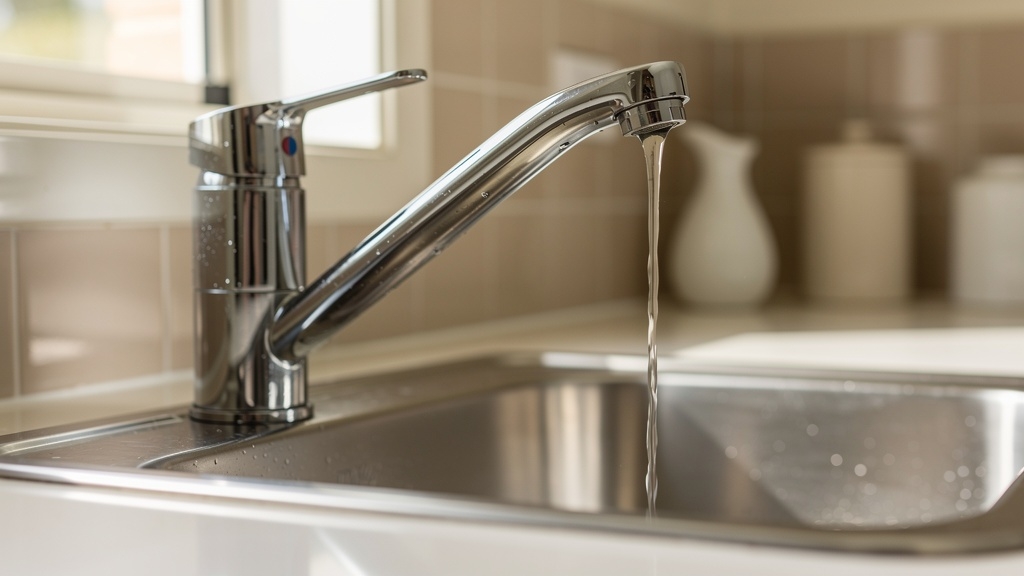
If you have low water pressure in Sydney, you are not imagining it and you are certainly not alone. A weak dribble from the shower, a kettle that takes forever to fill, or a garden hose that barely reaches the veggie patch can all trace back to a handful of well-known causes. Some fixes take five minutes and cost nothing. Others need a licensed plumber and a few hundred dollars. This guide walks through every likely culprit, the relevant Sydney Water standards, and honest price ranges so you know exactly what you are dealing with.
What Is Normal Water Pressure in Sydney?
Sydney Water is required under the Customer Contract and the Independent Pricing and Regulatory Tribunal (IPART) standards to supply water at a minimum static pressure of 15 metres head (approximately 150 kPa) at the boundary of your property. Most Sydney properties receive somewhere between 200 kPa and 500 kPa under normal conditions. If the pressure at your taps consistently falls below what you need for everyday tasks, it is worth investigating whether the shortfall is on Sydney Water’s side of the meter or yours.
How to Measure Water Pressure at Home
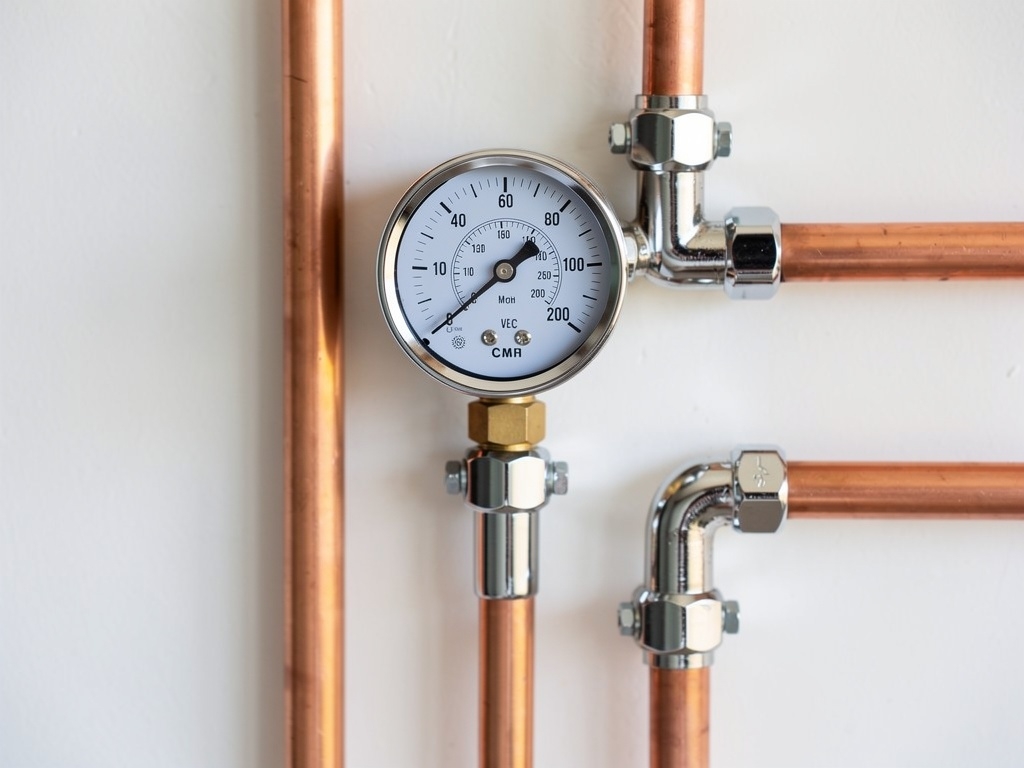
A basic water pressure gauge screws onto any outdoor tap and gives you a reading in kPa or PSI within seconds. These gauges cost between $15 and $40 at hardware stores. Turn off all other taps and appliances before taking your reading to get the true static pressure. A reading below 150 kPa suggests a supply-side issue; a reading above 150 kPa but below your expectations usually points to something inside your home.
The Difference Between Static and Dynamic Pressure
Static pressure is measured when no water is flowing. Dynamic pressure is what you experience when taps are actually open and water moves through your pipes. Dynamic pressure is always lower than static pressure because friction in pipes reduces flow. Older homes with long pipe runs or narrower pipe diameters can show acceptable static pressure but frustratingly low dynamic pressure when the shower, dishwasher and a garden tap run at the same time.
Common Causes of Low Water Pressure at Home
The vast majority of low pressure complaints in Sydney homes come down to one of five internal causes. Identifying which one applies to your situation saves you time and unnecessary plumber callouts.
1. Corroded or Scaled Pipes
Sydney’s older housing stock, particularly homes built before the 1980s, often still carries galvanised steel supply pipes. Galvanised steel corrodes from the inside over decades, gradually narrowing the internal diameter and restricting flow. A pipe that was once 20 mm across can effectively shrink to 12 mm or less as scale builds up. The tell-tale signs include brown or orange-tinged water when you first open a tap, and pressure that worsens progressively over years rather than dropping suddenly. Replacing galvanised steel with copper or PEX piping is a long-term fix that typically improves pressure significantly across the whole property.
2. A Faulty or Incorrectly Set Pressure Reducing Valve
Many Sydney homes, especially those in areas with naturally high mains pressure, have a pressure reducing valve (PRV) installed near the water meter or at the main stop valve inside the property. The PRV is designed to protect internal fittings and appliances from the stress of high pressure. However, PRVs can fail or drift out of calibration over time. A PRV set too low, or one that has seized partially closed, will strangle pressure throughout the entire home all at once. A licensed plumber can test the PRV, adjust the set point if adjustment is still possible, or replace it entirely. Replacement valves and labour together typically cost between $300 and $600 in Sydney.
3. Blocked Aerators and Showerheads
The aerator is the small mesh screen screwed onto the end of a tap spout. Showerheads have similar screens or internal flow restrictors. Both accumulate mineral scale from Sydney’s moderately hard water supply, and both are extremely common causes of low flow at a single outlet. If your issue affects only one tap or one shower, aerator build-up is the first thing to check. Unscrew the aerator, soak it in white vinegar for 30 minutes, rinse it under running water and screw it back on. Many homeowners report a dramatic improvement for zero cost. If the aerator is too corroded to salvage, a replacement costs under $10 at any hardware store.
4. A Partially Closed Stop Valve
Every property has a main stop valve, usually located near the water meter at the front of the property, and often a secondary one under the kitchen sink. If either valve was closed during maintenance and not fully reopened, it will reduce pressure across the home. This is one of the most overlooked causes of sudden low pressure following any plumbing work. Locate your main stop valve and turn it fully anti-clockwise to ensure it is completely open. Quarter-turn ball valves should sit with the handle parallel to the pipe to indicate open.
5. Leaking Pipes Inside Walls or Under Slabs
A hidden leak between the meter and your taps bleeds pressure before it ever reaches you. Signs of a leak include a water meter that keeps ticking when every tap in the house is closed, unexpected moisture or staining on walls and floors, or a sudden unexplained rise in your water bill. A leaking tap or pipe left unattended can also cause structural damage over time, so prompt diagnosis matters. A plumber can perform a simple pressure test on your internal lines to confirm whether a leak exists and use leak detection equipment to locate it without unnecessary excavation.
Issues on the Sydney Water Supply Side
Not every pressure problem starts inside your home. Sydney Water manages an extensive network of pipes, pumping stations and storage reservoirs, and occasionally the low pressure you experience originates with them.
Scheduled or Unscheduled Works Nearby
Sydney Water regularly upgrades mains infrastructure across the network. Scheduled works are usually notified in advance by letter, email or a note on the Sydney Water website. Unscheduled repairs, such as burst mains, can cause temporary pressure drops affecting entire streets. If your pressure dropped suddenly and your neighbours are also affected, check the Sydney Water outages page or call 13 20 90 before spending time and money on internal diagnostics.
Properties at the Top of a Hill
Water pressure is directly related to the height difference between your property and the storage reservoir feeding it. Properties at the highest point of a pressure zone can receive pressure at or close to Sydney Water’s minimum 150 kPa guarantee, whereas properties at the bottom of the same zone may receive 400 kPa or more. If you live on a hill or in an elevated suburb, marginal supply pressure may simply be the reality for your area, and a pressure booster pump is often the best long-term solution.
Undersized Service Connection
Older homes were sometimes connected to the mains with 15 mm service pipes rather than the 20 mm or 25 mm sizes used today. A larger household drawing significant flow through a 15 mm connection will see measurable pressure drop at the point of use. Sydney Water can advise whether your connection size is adequate and can arrange an upgrade, though this typically involves cost sharing between the homeowner and the utility depending on the circumstances.
Low Pressure from Your Hot Water System
A common pattern in Sydney homes is adequate cold water pressure but noticeably weak hot water flow. This usually points to something specific about the hot water system rather than the mains supply.
Storage Hot Water Systems and the Tempering Valve
Electric and gas hot water systems use a tempering valve to mix cold water into the hot flow before it reaches taps, reducing scalding risk. Tempering valves wear out over time and can restrict hot flow significantly when they begin to fail. If your hot water flow is weak but cold flow is fine, the tempering valve is the prime suspect. Replacement tempering valves and labour typically cost between $200 and $400.
Scale Build-Up Inside the Hot Water System
Sydney’s water supply carries dissolved minerals that precipitate out as scale when water is heated. Over several years, scale accumulation inside a storage cylinder or on the heat exchanger of a continuous-flow unit can restrict internal flow. A plumber can descale or flush a hot water system, and many recommend an annual or biennial service to prevent this build-up. If the cylinder is more than 10 to 15 years old, replacement may be more cost-effective than repeated servicing. If your hot water isn’t working properly at all, see our guide on hot water systems not working in Sydney for a full diagnostic.
Continuous-Flow Systems and Flow Rate Minimums
Instantaneous or continuous-flow hot water systems require a minimum inlet flow rate to activate the burner or element, typically around 2 to 3 litres per minute. If your mains pressure or flow rate has dropped below that threshold, the unit will either not fire at all or will cycle on and off erratically. This is a common complaint in pressure-challenged areas of Sydney and may require either a pressure booster pump or a change to a storage-type system.
What It Costs to Fix Low Water Pressure in Sydney
The table below provides market price ranges for the most common low water pressure repairs in Sydney. These are general market estimates only and will vary based on your location, the age and accessibility of your plumbing, and the specific contractor you engage.
| Fix Required | Typical Cost Range (Sydney) | DIY Possible? |
|---|---|---|
| Clean or replace tap aerator | $0 to $20 | Yes |
| Clean or replace showerhead | $0 to $80 | Yes |
| Adjust or replace pressure reducing valve | $300 to $600 | No (licensed plumber required) |
| Replace tempering valve (hot water) | $200 to $400 | No (licensed plumber required) |
| Install pressure booster pump | $800 to $2,000+ | No (licensed plumber required) |
| Repipe section of galvanised steel supply | $500 to $2,500+ | No (licensed plumber required) |
| Locate and repair hidden leak | $400 to $1,500+ | No (licensed plumber required) |
| Hot water system service or flush | $150 to $350 | No (licensed plumber recommended) |
The cost of an emergency plumber call-out in Sydney adds a call-out fee of roughly $150 to $250 on top of any parts and labour. Scheduling a non-urgent visit during business hours will generally keep costs closer to the lower end of each range.
DIY Checks vs. When to Call a Plumber
Before picking up the phone, work through the following checklist yourself. These steps are safe for any homeowner and require no tools beyond a shifter and a bucket.
Safe DIY Checks
- Check that your main stop valve is fully open
- Remove and clean or replace all affected tap aerators
- Soak showerheads in white vinegar overnight
- Check your water meter for signs of constant movement (indicating a hidden leak)
- Check Sydney Water’s outage map for known supply issues in your suburb
- Test pressure with a gauge at an outdoor tap before and after normal usage hours
When You Need a Licensed Plumber
Call a licensed plumber when DIY checks have not resolved the issue, when pressure loss is sudden and affects the whole property, or when you suspect a blocked or damaged pipe beneath the slab or inside walls. Any work involving the water meter, a pressure reducing valve, the tempering valve on a hot water system, or cutting into supply lines must be performed by a licensed plumber in NSW. Attempting this work yourself is both dangerous and potentially illegal under the Plumbing and Drainage Act 2011.
Signs the Problem Is Serious
Sudden pressure loss across every tap simultaneously is a red flag. So is water meter movement when every tap is closed, unexplained wet spots on walls or flooring, or a water bill that has climbed without any change in household usage. These symptoms suggest a leak or a failure that will worsen over time and should not be left unattended. In these cases, calling an emergency plumber in Sydney promptly can prevent far more costly damage down the track. Homeowners can use ontime tradie contact us to request professional service.
Not Sure What’s Causing Your Low Water Pressure?
A licensed Sydney plumber can diagnose the cause and give you a clear, upfront quote. No pressure (pun intended).
Frequently Asked Questions
Why is my water pressure low only in the morning?
Mains pressure across Sydney’s network fluctuates with demand throughout the day. During peak morning usage hours, when many households are showering and filling kettles simultaneously, pressure in some areas can drop noticeably. If the low pressure resolves by mid-morning, this is likely a supply-side peak demand issue. Sydney Water is required to maintain 15 metres head at the property boundary at all times, but brief fluctuations can occur. If the drop is severe or regular, it is worth reporting to Sydney Water directly on 13 20 90.
How do I know if my pressure reducing valve needs replacing?
Signs of a failing PRV include low pressure across all taps simultaneously (not just one), a sudden drop in pressure that appeared overnight rather than gradually, or an erratic pressure that fluctuates throughout the day for no obvious reason. A licensed plumber can test the PRV output with a pressure gauge and compare it to the mains supply pressure at the meter. If the PRV is delivering significantly less than its set point or if the set point cannot be adjusted, replacement is usually the most cost-effective solution.
Can I install a water pressure booster pump myself in Sydney?
No. Installing a pressure booster pump on a drinking water supply line requires a licensed plumber in NSW. The pump must be correctly sized for your household flow rate, correctly positioned relative to the meter, and compliant with the Plumbing and Drainage Act 2011. An incorrectly installed booster can damage appliances, void home insurance, and create backflow risks into the mains supply. Have the work done properly by a licensed tradesperson who can provide a Certificate of Compliance.
Is low water pressure covered under my Sydney Water obligations?
Sydney Water is required to deliver a minimum static pressure of 15 metres head (approximately 150 kPa) at your property boundary under the Customer Contract regulated by IPART. If measured pressure at the boundary consistently falls below this, you have grounds to lodge a formal complaint with Sydney Water. They are obliged to investigate and rectify supply-side deficiencies at no cost to you. However, anything inside your property boundary, including your internal pipes, PRV, hot water system and taps, is your responsibility as the homeowner.
Why is my hot water pressure lower than cold water pressure?
A noticeable difference between cold and hot water pressure almost always points to something within the hot water system itself. The most common causes are a failing or blocked tempering valve, scale build-up inside a storage cylinder or heat exchanger, or a partially closed isolation valve on the hot water system’s cold inlet. A plumber can isolate the system, test the valves, and determine whether a service, valve replacement, or full system replacement is the most economical path forward.
How long does it take to fix low water pressure in a Sydney home?
Simple fixes such as cleaning aerators or adjusting a pressure reducing valve can be completed within an hour on a single visit. More involved work like replacing a PRV, fitting a booster pump, or repiping a section of galvanised steel typically takes between two and four hours. Full whole-house repiping is a multi-day job. Most plumbers will give you a clear scope and timeframe during an initial diagnostic visit before any major work begins.
Can a blocked drain affect water pressure?
A blocked drain affects your wastewater drainage system, which is separate from your pressurised water supply pipes. A blockage in the drain will not directly reduce incoming water pressure. However, if a sewer blockage causes sewage to back up into supply pipes through cross-contamination, that is a serious plumbing emergency requiring immediate attention. See our guide on blocked drain costs and repairs if you are also experiencing drainage problems alongside pressure issues.
