
When your hot water system stops working in Sydney, it’s frustrating — especially if it happens early in the morning or late at night. Before you call a plumber, there are a few things you can safely check yourself. This guide walks through the most common faults by system type and tells you exactly when to pick up the phone.
How to Tell What Type of Hot Water System You Have
The fault diagnosis process depends entirely on your system type. Here’s how to identify yours:
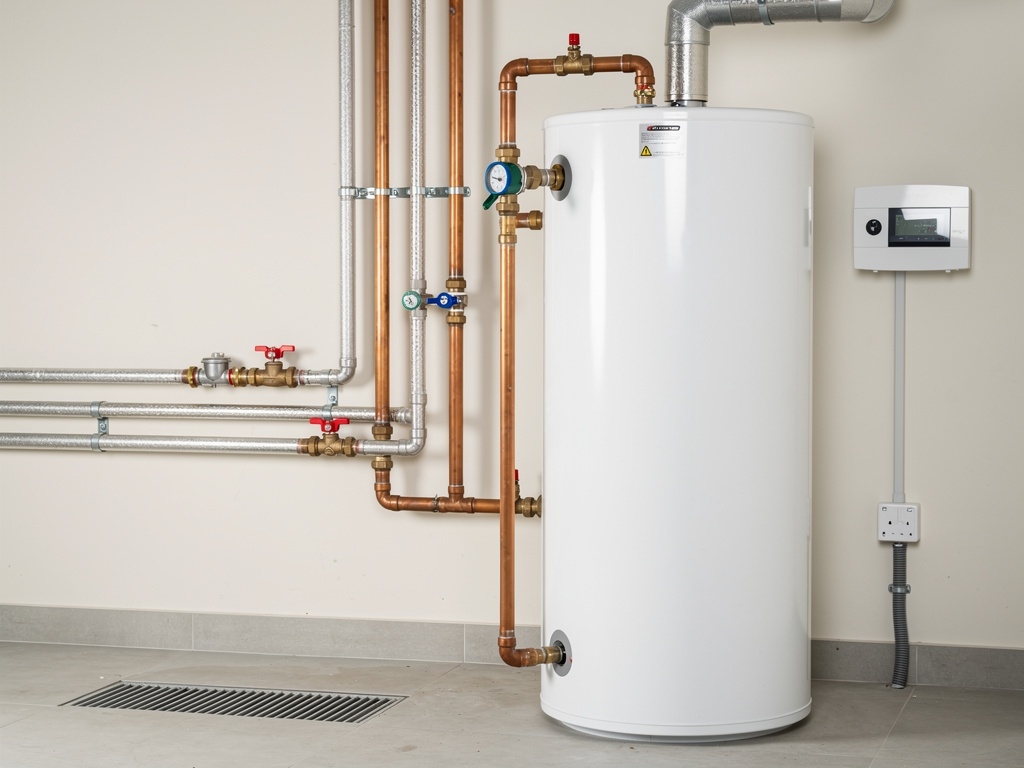
- Gas storage — a cylindrical tank (usually outside) with a gas pipe running to it; may have a pilot light access panel
- Electric storage — a cylindrical tank with electrical wiring and a power switch (often in a meter box or nearby panel)
- Solar hot water — solar collector panels on the roof connected to a tank; usually has an electric or gas booster
- Heat pump — looks like a tank with a fan unit on top or alongside; runs on electricity but uses ambient air heat
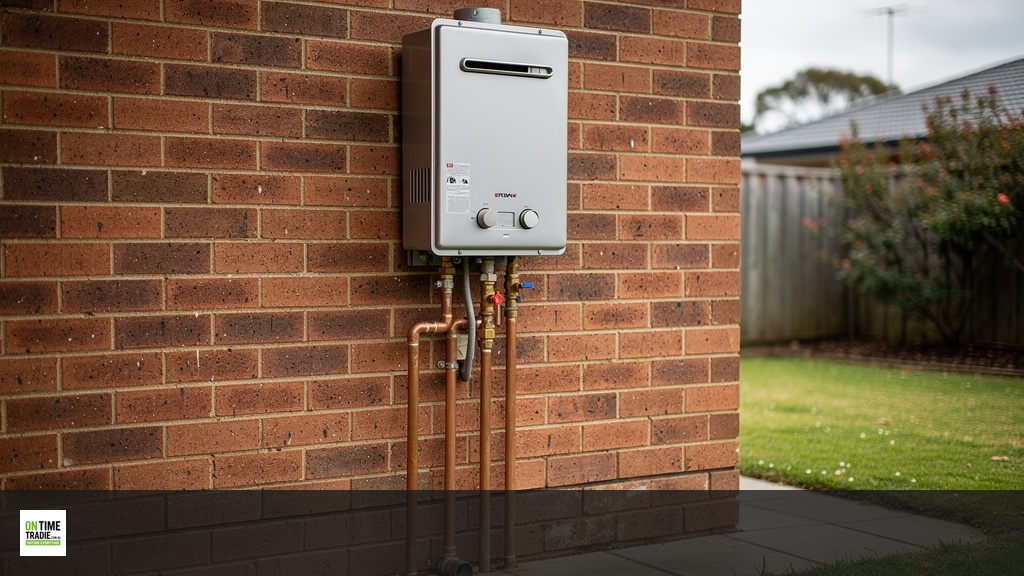
- Continuous flow (instantaneous) — no tank; a compact wall-mounted unit, usually gas-powered
Hot Water System Not Working: Common Fault Guide
The table below summarises the most common faults by system type, and whether the fix is DIY-safe or requires a licensed tradesperson.
| Fault | System Type | DIY Check? | Licensed Required? |
|---|---|---|---|
| No hot water at all | All types | Check circuit breaker / gas valve | If check fails |
| Pilot light out | Gas storage / continuous flow | Re-light per manufacturer guide | If won’t stay lit |
| Failed heating element | Electric storage | No — licensed only | Yes |
| Thermostat fault | Electric / solar / heat pump | No — licensed only | Yes |
| Solar controller fault | Solar | Check indicator lights | Yes — for replacement |
| Heat pump compressor fault | Heat pump | Check error code display | Yes |
| Leaking pressure relief valve | All storage types | Monitor only | Yes — replacement required |
Gas Hot Water System Not Working
For gas storage and continuous flow systems, start with the basics:
- Check that your gas supply hasn’t been interrupted — try another gas appliance (stove, heater)
- Look for the pilot light — if it’s out, follow the relight instructions on the unit label
- Check for an error code on digital displays
- Ensure the gas isolation valve on the supply line is fully open
If the pilot light won’t stay lit, there may be a faulty thermocouple — this requires a licensed gas fitter to replace.
Electric Hot Water System Not Working
- Check your switchboard — look for a tripped circuit breaker or blown fuse labelled “hot water”
- Check the isolation switch near the hot water unit (often on the wall nearby)
- Check the safety cutout — some units have a manual reset button that trips when the thermostat overheats
If the circuit breaker has tripped and immediately trips again on reset, do not keep resetting it — this indicates a wiring or element fault requiring a licensed electrician or plumber.
Solar Hot Water Not Working
- Check whether there has been sufficient sun in the past 24–48 hours — overcast periods can deplete a solar tank
- Check the solar controller display for error codes
- Ensure the booster element (electric or gas) is operational as a backup
- Inspect the roof collectors visually for damage — cracked glass, frost damage, or debris blockage
Heat Pump Not Working
- Check the error code on the display panel and look it up in your owner’s manual
- Ensure the ambient temperature isn’t below the minimum operating range (most heat pumps are rated to 5°C–7°C)
- Check that airflow around the heat pump unit is unobstructed (minimum 300mm clearance recommended)
- Check the isolation switch and circuit breaker
Step-by-Step: What to Check Before Calling a Plumber
For any system type, work through this checklist before making a service call:
- Confirm the fault — is it “no hot water” or “not hot enough”? These have different causes
- Check the power or gas supply — circuit breaker (electric), isolation valve and pilot (gas)
- Look for error codes — modern units display these; photograph the display
- Check for visible leaks — around the pressure relief valve, base of tank, or pipe connections
- Note the system age — if over 10 years old (electric/gas), factor this into repair vs replace decision
For information on energy efficiency ratings and system comparisons, the Australian Energy Rating website is a useful resource. NSW residents may also be eligible for the solar rebate scheme through Service NSW.
When You Must Call a Licensed Plumber (Not DIY)
The following situations always require a licensed plumber or gas fitter — attempting DIY repairs can void your warranty, insurance, and poses serious safety risks:
- Replacing a heating element or thermostat
- Replacing a pressure relief valve (T&P valve)
- Any gas pipe or fitting repair or replacement
- Replacing a faulty thermocouple on a gas unit
- Solar controller replacement or reconfiguration
- Heat pump refrigerant work or compressor service
- Any visible leak from the tank body (not fittings)
- Full system replacement
On Time Tradie provides emergency hot water repair services across Sydney and the Central Coast, as well as gas hot water services and electric hot water services.
How Much Does Hot Water System Repair Cost in Sydney?
Repair costs vary significantly based on system type, fault complexity, and whether after-hours service is required. Here are Sydney market ranges for the most common repairs:
| Repair / Service | Typical Sydney Range |
|---|---|
| Standard daytime callout fee | $80–$150 |
| After-hours callout fee | $150–$350 |
| Heating element replacement | $250–$450 |
| Thermostat replacement | $150–$350 |
| Pressure relief valve replacement | $200–$400 |
| Thermocouple (gas systems) | $150–$300 |
| Solar controller replacement | $400–$800 |
| Full system replacement | $1,200–$4,500 (depending on type and brand) |
All prices are Sydney market ranges. Most Sydney plumbers charge $80–$150 for a standard daytime callout; after-hours typically $150–$350. Always confirm before booking. Also consider the age of your system: if your hot water system is over 10 years old and needs a major repair, the On Time Tradie hot water replacement guide can help you compare the cost of repair versus a new system.
On Time Tradie Hot Water Services in Sydney
On Time Tradie provides licensed hot water repair, service and replacement across Sydney, the Central Coast and Newcastle. Our licensed plumbers carry common parts for fast, same-visit repairs on most electric, gas and solar systems. Whether you need an urgent repair or want to explore an upgrade to a more energy-efficient system, our team can advise on the right solution. We also handle solar hot water services and general plumbing services. Related reading: Hot Water System Replacement Sydney Guide 2026 | Hot Water System Rebates NSW 2026 . Businesses can use ontime tradie contact us for reliable maintenance enquiries.
Hot Water System Not Working? We Can Help.
On Time Tradie’s licensed plumbers are available across Sydney, Central Coast and Newcastle for urgent hot water repairs.
Request a Callback