
If you are researching hot water system replacement cost in Sydney, you are in the right place. Whether your unit has stopped producing hot water, started leaking, or is simply too old to run efficiently, this honest guide walks through every cost factor, the repair-versus-replace decision, system types, and NSW rebates so you can make an informed choice.
How Much Does Hot Water System Replacement Cost in Sydney?
Costs vary significantly depending on the system type, tank capacity, brand, and the complexity of the installation. The table below shows typical supply and installation ranges for Sydney homes in 2025–26.
| System Type | Supply (unit only) | Installation | Total (approx.) |
|---|---|---|---|
| Electric storage (125 L) | $900 – $1,400 | $300 – $600 | $1,200 – $2,000 |
| Gas storage (135 L) | $1,100 – $1,800 | $400 – $700 | $1,500 – $2,500 |
| Heat pump (270 L) | $2,500 – $4,500 | $500 – $900 | $3,000 – $5,400 (minus STC rebate $600–$1,000) |
| Solar hot water | $3,000 – $6,000 | $800 – $1,500 | $3,800 – $7,500 |
Most Sydney plumbers charge $80–$150 per hour during business hours; after-hours call-outs typically range from $150–$300. Service fees vary between providers. Always confirm the callout fee before booking.
These figures are indicative only. Final pricing depends on your specific property, any gas or electrical upgrade work required, and the brand you choose. For a fixed-price quote, request a callback from our licensed team.
Signs Your Hot Water System Needs Replacing (Not Just Repairing)
Not every hot water problem requires a full replacement. However, certain signs almost always point to a new unit being the smarter investment.
- Age over 10 years (electric) or 12 years (gas): Most storage hot water systems have a service life of 8–12 years. Beyond this point, repairs become more frequent and parts may be difficult to source.
- Rust-coloured water: Discoloured water from your hot tap suggests internal tank corrosion. Once a tank is rusting from the inside, replacement is the only viable solution.
- Water pooling around the base: A slow drip from the relief valve or a hairline crack in the tank often means the unit is near the end of its life. See our guide on what to do when your hot water stops working for more diagnostic steps.
- Repeated repair calls: If you have called a plumber twice in 18 months for the same system, the cumulative repair cost is likely approaching or exceeding the cost of a new unit.
- Significantly higher energy bills: An ageing electric or gas storage system loses efficiency over time. A 10-year-old electric unit can cost 40–50% more to run than a modern heat pump equivalent.
- Insufficient hot water for your household: If your family has grown and the existing unit can no longer keep up, an upgrade to a larger-capacity system is sensible.
For a professional assessment of whether your existing unit is worth repairing, our hot water service team can inspect, diagnose, and advise with no obligation.
Repair vs Replace: How to Make the Right Decision
The classic rule of thumb is straightforward: if a repair costs more than 50% of what a new system would cost, or if the unit is more than 8–10 years old, replacement is almost always the better financial decision. Here is a simple way to think about it.
When repair makes sense
- The unit is less than 5 years old and still under warranty.
- The problem is a minor component failure (thermostat, element, relief valve) with a repair cost under $300.
- The system is a high-quality brand with good parts availability.
When replacement makes sense
- The tank itself is leaking or corroding — no repair will fix a failing tank.
- The system is over 10 years old and the repair quote is $400 or more.
- You are switching fuel types (for example, gas to heat pump) to reduce running costs.
- You are renovating and want to reposition the unit or upgrade capacity.
Keep in mind that a new unit comes with a manufacturer warranty of 5–10 years, peace of mind, and in the case of heat pumps or solar, significantly lower ongoing energy costs. If you have an active leak, contact our emergency plumbing team who can assess the situation quickly.
Gas, Electric, Heat Pump or Solar: Which System is Right for Your Sydney Home?
Sydney homeowners have four main system types to choose from. Each has different upfront costs, running costs, and suitability depending on your property and household size.
Electric storage hot water
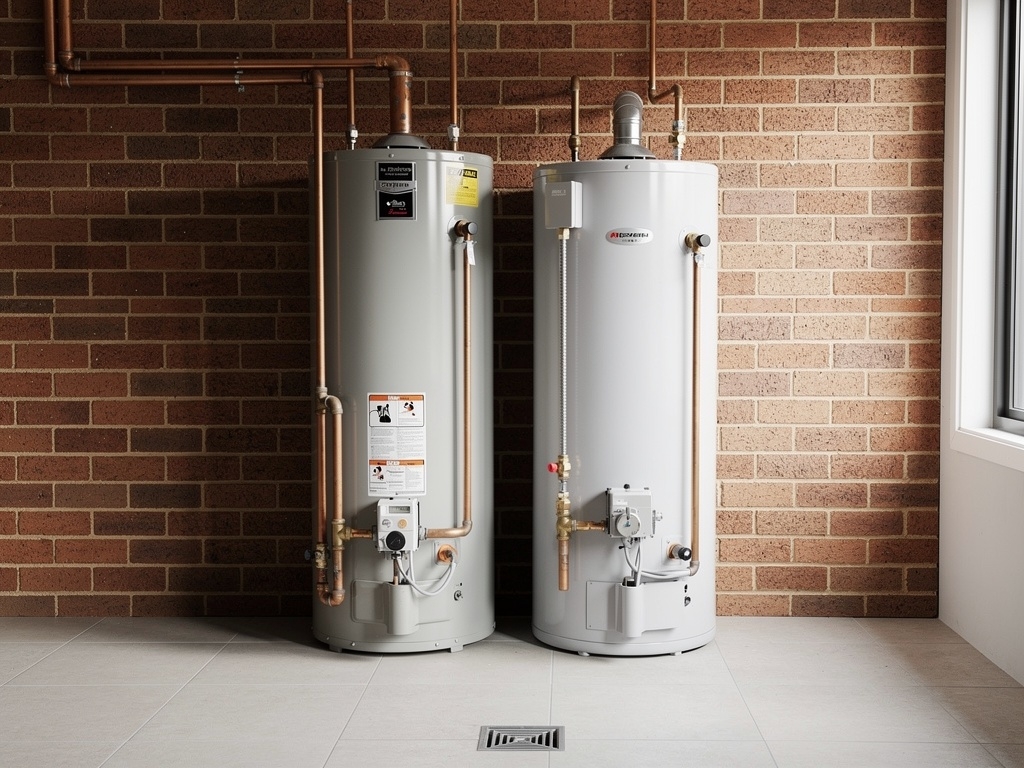
Electric storage units are the most common and the cheapest to purchase and install. They are a reliable like-for-like replacement when gas is not connected. The downside is running cost: electricity tariffs in NSW mean a standard electric storage system costs $600–$900 per year to operate for an average household. If your home has a controlled-load off-peak tariff, this can be reduced noticeably.
Gas storage hot water
Gas storage systems are popular across inner Sydney, the Hills District, and outer western suburbs where natural gas is available. They heat water quickly and cost less to run than electric storage. Note that new residential gas connections are becoming less common in some areas, so check your local availability before specifying a gas-only unit.
Heat pump hot water
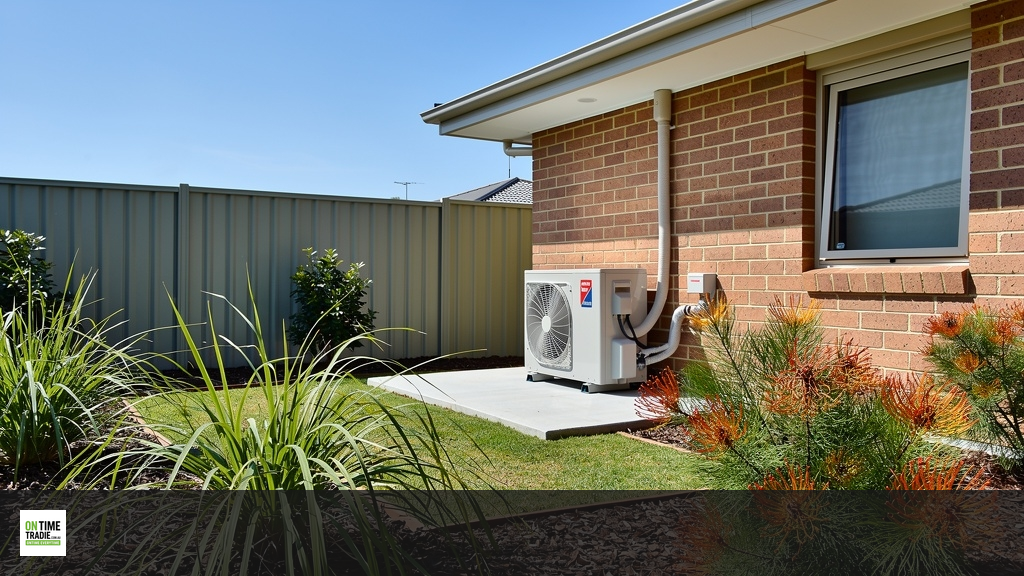
A heat pump water heater extracts warmth from the air to heat water, using roughly 60–70% less electricity than a conventional electric storage unit. They are ideal for Sydney’s climate, which provides enough ambient warmth for efficient operation year-round. Heat pumps are eligible for NSW STC rebates, making the effective purchase price much more competitive. Properties on the Northern Beaches, Hills District, and outer suburbs with space beside or behind the house suit heat pump installations particularly well.
Solar hot water
Solar hot water systems use rooftop collectors to preheat water before it reaches a storage tank, with an electric or gas booster for overcast days. Sydney’s strong solar resource makes these systems efficient over their 15–20 year lifespan. Upfront cost is higher, but long-term running costs are among the lowest of any system type. Solar units are also eligible for STCs under the federal scheme. You can learn more about comparing solar and heat pump options in our plumbing services overview.
The Australian Government Energy Rating website provides star ratings and running cost comparisons for registered models, which is a useful reference when comparing brands.
NSW Rebates and STCs: Can You Get Money Back?
Yes, and for heat pump and solar hot water systems in NSW the savings can be significant. Here is how the main schemes work.
Small-scale Technology Certificates (STCs)
STCs are the federal government’s primary incentive for installing renewable water heating in NSW. When you install an eligible heat pump or solar hot water system, the installer creates a number of STCs based on the system’s expected energy output over its deeming period. These certificates are then sold, and the value is typically passed back to you as an upfront discount on the installation price.
For a heat pump system in Sydney, the NSW STC scheme typically generates between $600 and $1,000 in rebate value, depending on the system size and the current STC spot price. The NSW government supports this scheme alongside the federal program, and information on eligibility is available through Energy NSW.
NSW Energy Savings Scheme (ESS)
The NSW Energy Savings Scheme can provide additional financial incentives for upgrading to energy-efficient hot water systems under certain conditions. An accredited installer can advise on your specific eligibility.
To maximise your rebate entitlement, it is important to use a licensed plumber familiar with the STC process and to ensure the system you choose is listed on the appropriate Clean Energy Regulator register before purchase.
What Does a Hot Water System Installation Actually Involve?
Understanding the steps involved helps you know what to expect on the day and why the job takes the time it does.
- Assessment and quote: A licensed plumber inspects the existing unit, checks gas or electrical connections, assesses access, and confirms the right replacement model for your household size and fuel type.
- Draining and disconnection: The old unit is isolated from water and energy supply, drained safely, and disconnected. This includes capping any gas lines or isolating the circuit at the switchboard as required.
- Removal: Storage systems are heavy (50–80 kg when empty), so proper handling equipment is used. Responsible disposal of the old unit is part of the job.
- Installation of new unit: The new system is positioned, water connections are made, and gas or electrical connections are completed by a licensed tradesperson. For heat pumps, adequate clearance and airflow around the unit is checked.
- Pressure and temperature relief valve: A new T&P relief valve is fitted as standard — this is a safety device required by Australian standards.
- Test and commission: The system is filled, powered, and tested. The plumber checks for leaks, confirms temperature settings, and walks you through the controls and warranty documentation.
Most straightforward like-for-like replacements take 2–4 hours. Installations involving a change of system type, new gas or electrical connections, or difficult access (rooftop solar, for example) can take a full day.
How to Find a Licensed Hot Water Plumber in Sydney
All hot water system installations in NSW must be carried out by a licensed plumber and, where gas work is involved, a licensed gas fitter. Electrical connections to hot water systems must be made by a licensed electrician. Here is what to look for when choosing a provider.
- Check their licence: You can verify a plumbing licence number through the NSW Fair Trading licence check. A legitimate tradesperson will provide their licence number upfront.
- Ask for a written, fixed-price quote: Reputable companies provide written quotes that include parts, labour, and any associated work such as valve replacements or minor pipe adjustments.
- Confirm they handle STC paperwork: If you are installing a heat pump or solar system, ask whether the company handles the STC claim on your behalf, or whether you need to manage it separately.
- Check reviews for responsiveness and reliability: Look for consistent feedback about arriving on time and completing work as quoted. The tap and plumbing repair team at On Time Tradie is well-reviewed for punctuality and transparent pricing across Sydney suburbs.
- After-hours availability: If your hot water system has failed completely, you may need same-day service. Confirm the provider’s availability and after-hours rates before booking.
On Time Tradie provides licensed hot water replacement services across Sydney, including the Hills District, Northern Beaches, Inner West, and South Western Sydney suburbs. Our team carries common replacement units on the van for fast same-day installations.
Frequently Asked Questions
How much does it cost to replace a hot water system in Sydney?
Depending on the system type, total replacement costs in Sydney range from around $1,200 for a basic electric storage unit to $7,500 or more for a solar hot water system. Heat pump systems typically cost $3,000–$5,400 before STC rebates. Gas storage systems generally fall in the $1,500–$2,500 range including installation.
How long does a hot water system last in Sydney?
Most electric and gas storage hot water systems last 8–12 years. Heat pump systems often last 10–15 years. Solar hot water systems can last 15–20 years with proper maintenance. Sydney’s water quality can affect tank lifespan, so regular anode rod inspections are recommended every 5 years.
Can I get a rebate on a hot water system replacement in NSW?
Yes. Heat pump and solar hot water systems are eligible for Small-scale Technology Certificates (STCs) under the federal renewable energy scheme, supported by NSW government policy. In Sydney, the STC value for a heat pump system is typically $600–$1,000, applied as an upfront discount at the point of installation.
Is it worth replacing an electric hot water system with a heat pump?
For most Sydney homes, yes. A heat pump uses around 60–70% less electricity than a conventional electric storage system, which typically saves $400–$600 per year on energy bills. Combined with the STC rebate reducing upfront costs, most households recover the price difference within 3–5 years.
How quickly can a hot water system be replaced in Sydney?
A like-for-like storage hot water replacement usually takes 2–4 hours. Most reputable plumbing companies in Sydney can complete same-day replacements for common electric or gas storage units when contacted before midday. Heat pump and solar installations may require scheduling one to two days in advance.
Do I need to be home during a hot water system installation?
Yes, someone over 18 should be present to provide access to the unit, sign off on the completed work, and receive a demonstration of the new system’s controls. The plumber will also need your authority to isolate the water supply and, where applicable, the gas or electrical supply.
What size hot water system do I need for my Sydney home?
A general guide: 1–2 people: 125–160 L; 3–4 people: 160–250 L; 5 or more people: 250–315 L or continuous flow. These estimates vary depending on your usage habits and system type. A heat pump system is generally specified at a larger tank volume (typically 270–315 L) because it heats water more slowly than a gas or electric unit.
Ready to Replace Your Hot Water System?
On Time Tradie provides licensed hot water system replacement across Sydney, the Hills District, Northern Beaches, and beyond. We carry units on the van for fast same-day installations and handle all STC rebate paperwork on your behalf.
