
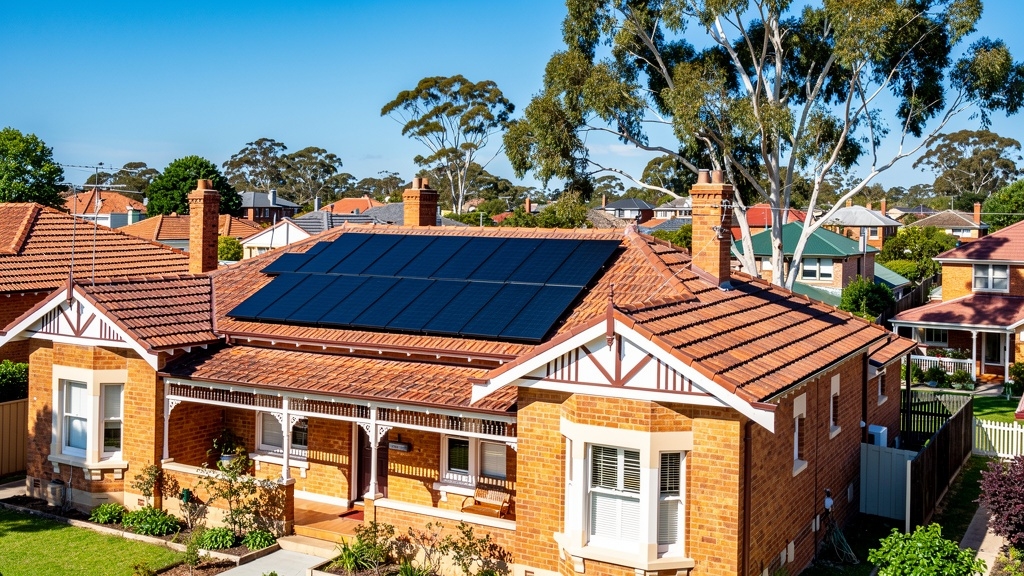
Solar Panel Installation in Sydney: What Your Electrician Needs to Check First
Solar panel installation in Sydney can save the average homeowner $1,200–$2,500 per year on electricity bills — but only if your home’s electrical system is ready for the upgrade. Before any panels go on your roof, a qualified electrician needs to run through a specific checklist to make sure your installation is safe, compliant, and actually connected to the grid.
Why an Electrical Assessment Comes Before Solar Quotes
Here’s a problem that catches many Sydney homeowners off guard: you get three solar quotes, choose the best one, pay a deposit — and then the installer arrives, takes one look at your switchboard, and tells you the whole job needs to stop until you spend another $1,500 on a switchboard upgrade.
A pre-installation electrical assessment by a licenced electrician (separate from your solar installer) prevents this completely. It takes about 45 minutes and covers:
- Switchboard capacity and condition
- Existing wiring type and age
- Earthing and bonding compliance
- Available circuit breaker positions
- Network operator connection eligibility
In our experience across Sydney, Central Coast, and Newcastle, about 40% of homes need some electrical work before solar can be connected. Knowing this upfront lets you budget accurately and avoid delays.
The Switchboard Check: Your Most Important Pre-Solar Step
Your switchboard (also called the consumer mains or distribution board) is the hub that everything connects to — including your solar system. Problems we regularly find in Sydney homes include:
1. Ceramic Fuse Boards
Many Sydney homes built before 1985 still have ceramic rewireable fuse boards. These cannot safely accommodate solar feed-in because there’s no provision for a dedicated solar circuit breaker, and the current ratings are inadequate for modern solar system sizes. A full switchboard replacement to a circuit-breaker board is required — typically $1,200–$2,000 in Sydney.
2. No Spare Positions
Even if you have a modern circuit-breaker switchboard, it may already be full. A solar system requires at least one, and often two, spare circuit breaker positions (for the solar AC circuit and for surge protection). If your board is full, a tandem breaker or switchboard expansion is needed.
3. No RCD (Safety Switch) Protection
Current NSW electrical regulations require all circuits to be RCD-protected. If your home was wired before this became mandatory, your electrician will need to add RCDs as part of the solar installation scope. This is non-negotiable — grid-connected solar systems won’t be approved without it.
4. Undersized Main Switch
The main switch (typically 63A or 80A for residential properties) must be rated to handle the combined load of your home plus the solar inverter’s AC output. Older 40A or 50A main switches may need upgrading for larger solar systems.
Wiring and Earthing Requirements for Solar in NSW
Solar installations in NSW must comply with AS/NZS 3000:2018 (the Wiring Rules) and the Clean Energy Council’s Solar PV System Design and Installation guidelines. Here’s what this means practically:
DC Cable Requirements
The DC cable runs from your solar panels on the roof down to the inverter. In NSW’s climate, this cable must be:
- TUV-rated double-insulated solar cable (typically 4mm² or 6mm²)
- UV-resistant along any exposed run
- Run in conduit where it passes through ceiling spaces or inside wall cavities
- Labelled clearly to indicate it is a live DC circuit even when the inverter is off
AC Cable from Inverter to Switchboard
The inverter’s AC output connects directly to the switchboard via a dedicated circuit. This cable sizing depends on the inverter’s rated output — a 5kW inverter typically requires 4mm² twin-and-earth cable on a 20A circuit. This must be installed by a licenced electrician.
Earthing the Solar System
The inverter chassis, panel frames, and mounting rails must all be bonded to your home’s earthing system. In Sydney, many older homes have inadequate earthing (insufficient rod depth, corroded connections, or no earth stake at all). A full earthing test is part of any good pre-solar electrical inspection.
Solar Installation Costs in Sydney (2026)
| System Size | Panels | Typical Cost (After STCs) | Annual Bill Savings Est. |
|---|---|---|---|
| 3.3kW system | 8–10 panels | $3,200 – $5,000 | $700 – $1,100/yr |
| 6.6kW system | 16–18 panels | $5,800 – $8,500 | $1,200 – $1,900/yr |
| 10kW system | 24–26 panels | $8,500 – $12,000 | $2,000 – $3,200/yr |
| 13.3kW system | 32–36 panels | $12,000 – $16,500 | $2,800 – $4,200/yr |
Note: Costs above are indicative Sydney 2026 pricing after federal STC rebate. Switchboard upgrade, roof preparation, or meter upgrade costs are additional.
What Does the Electrical Work Add to Your Solar Quote?
| Item | Cost Range (AUD) | Required? |
|---|---|---|
| Switchboard upgrade (ceramic to circuit-breaker) | $1,200 – $2,200 | If applicable |
| RCD installation (safety switches) | $300 – $650 | If not present |
| Earthing upgrade | $350 – $700 | If failed test |
| Surge protection device (SPD) | $250 – $450 | Recommended |
| Smart (bi-directional) meter | $0 – $350 | Yes (via network operator) |
Grid Connection: What Ausgrid and Endeavour Energy Require
Once your system is installed and the electrical work is complete, your solar installer submits a connection application to your network distributor. In Greater Sydney:
- Ausgrid (inner and northern Sydney): Micro-embedded generator (MEG) application required. Standard residential systems approved within 10 business days.
- Endeavour Energy (western, southern, south-western Sydney): MEPD application. Typically 5–15 business days for approval.
- Essential Energy (regional NSW including Central Coast areas): Individual property assessment may apply for systems over 10kW.
Network operators also require a bi-directional (smart) meter to be installed before feed-in can begin. If you don’t already have one, this is coordinated by your energy retailer — not the solar installer — and can add 2–4 weeks to the process.
Your licenced electrician must also issue a Certificate of Compliance for Electrical Work (CCEW) and notify the Department of Fair Trading (via the NSW Fair Trading portal) before the system can legally be used.
At On Time Tradie, we handle the CCEW and notification process as part of our electrical installation service — you don’t have to deal with the paperwork.
Choosing the Right Solar Inverter for Sydney’s Grid
There are three main inverter types used in Sydney residential solar systems:
String Inverters
The most common and cost-effective option. One inverter handles all panels. The limitation: if one panel is shaded (by a nearby tree or neighbouring roof), the output of the whole string can drop. Suitable for north-facing roofs with no shading. Brands: Fronius, SMA, Growatt.
Microinverters
One small inverter per panel. More expensive upfront (~$300–$500 per panel extra) but eliminates shading issues entirely. Best for complex roofs or homes with partial shade. Brands: Enphase.
DC Optimisers + String Inverter
A hybrid solution — DC optimisers on each panel with a central string inverter. Good shading tolerance without full microinverter costs. Brands: SolarEdge.
Which is right for your home depends on your roof orientation, any shading, and budget. Your electrician can advise on the technical requirements for each type during the pre-installation assessment.
Ready to Check if Your Home is Solar-Ready?
On Time Tradie’s licenced electricians provide pre-solar electrical assessments across Sydney, Central Coast and Newcastle. We’ll tell you exactly what your home needs before you spend a cent on solar panels. Ontime Everytime.
Request a CallbackFrequently Asked Questions
How long does a pre-solar electrical assessment take?
A thorough pre-solar electrical assessment takes 30–60 minutes for a standard Sydney home. It covers your switchboard, wiring, earthing, and circuit capacity. The assessment typically costs $150–$300, which is worth every cent before committing to a solar installation.
Can solar panels be installed on any Sydney roof?
Most tile and Colorbond roofs can accommodate solar panels. However, roofs with significant shading from trees or adjacent buildings, roofs with a pitch below 10° or above 45°, or roofs in poor structural condition may need additional assessment. An electrician and a roofer should both inspect the roof before installation.
What happens if I don’t upgrade my switchboard before solar?
If your switchboard is inadequate and you attempt to connect solar, the network operator will refuse to approve your grid connection application. In rare cases where an unsafe connection is made, you risk fire, electric shock, and voiding your home insurance. Always get the electrical work done properly first.
Are there solar rebates available in NSW in 2026?
Yes. The main federal rebate is through the Small-scale Renewable Energy Scheme (SRES), which provides Small-scale Technology Certificates (STCs) based on system size and location. Most solar installers apply this discount upfront. NSW’s Peak Demand Reduction Scheme also provides rebates for eligible battery storage systems.
How much does a 6.6kW solar system cost in Sydney in 2026?
A 6.6kW solar system in Sydney costs between $5,800 and $8,500 fully installed, after the federal STC rebate. This includes panels, inverter, mounting hardware, and electrical installation. Switchboard upgrades or other electrical work required are additional and should be budgeted separately.
Who do I call first — the solar company or an electrician?
Call a licenced electrician first. An independent electrical assessment (not done by the solar company trying to sell you a system) gives you unbiased information about what your home actually needs. Once you have that assessment, you can get accurate solar quotes and avoid nasty surprises during installation.
