
As autumn settles across Sydney and homeowners prepare for the cooler months ahead, there’s one critical maintenance task most people overlook: a professional electrical safety inspection. Your electrical system works harder during winter when heaters run for hours, lighting stays on longer, and appliances draw more power than any other season. Yet most Sydney homeowners only call an electrician when something stops working, sparks fly, or the power trips for the third time that week.
A proactive electrical safety inspection can prevent house fires, protect expensive appliances, and identify dangerous wiring before it becomes a crisis. For homes in inner Sydney suburbs built before 1980, deteriorating wiring and outdated switchboards pose real risks that often go unnoticed until something goes wrong. This guide explains exactly what a licensed electrician checks during a professional inspection, when you need one, and why it matters for your family’s safety and your property’s value.
If you’re unsure whether your home needs an inspection, the warning signs are often hiding in plain sight. The good news is that a thorough electrical safety inspection takes just a few hours and provides peace of mind for years to come.
What is an Electrical Safety Inspection and Who Needs One?
An electrical safety inspection is a comprehensive assessment of your home’s entire electrical system, conducted by a licensed electrician who checks for safety hazards, compliance with Australian standards, and potential problems that could cause fires or electrical shocks. It’s different from emergency repairs or installations because the goal is prevention, not fixing something that’s already broken.
You need an electrical safety inspection if any of these situations apply to your Sydney home:
You’ve just bought a property and want to know what you’re working with before problems surface. New homeowners often discover hidden electrical issues during their first winter when heating systems expose weak circuits or outdated wiring.
Your home was built before 1990, especially if it still has the original switchboard or ceramic fuses instead of modern circuit breakers. Older homes in suburbs like Marrickville, Leichhardt, and Balmain often have aluminium wiring or insufficient earthing systems.
You’re planning major renovations or adding high-demand appliances like air conditioning, electric vehicle chargers, or home offices with multiple devices. Your existing electrical system may not handle the increased load safely.
You’re a landlord renting out a property. NSW rental regulations require electrical safety checks, and tenants have the right to a safe, compliant electrical system.
Your home has been hit by severe storms or lightning strikes. Even if everything seems to work fine, hidden damage to wiring or the switchboard can create serious hazards.
A professional inspection by a licensed NSW electrician provides a detailed report, identifies compliance issues, and gives you a clear action plan for any necessary repairs.
What Gets Checked During a Professional Electrical Safety Inspection
When a licensed electrician arrives to inspect your home, they’re looking at every component of your electrical system from the switchboard through to individual outlets. Here’s exactly what gets checked and why each element matters for your safety.
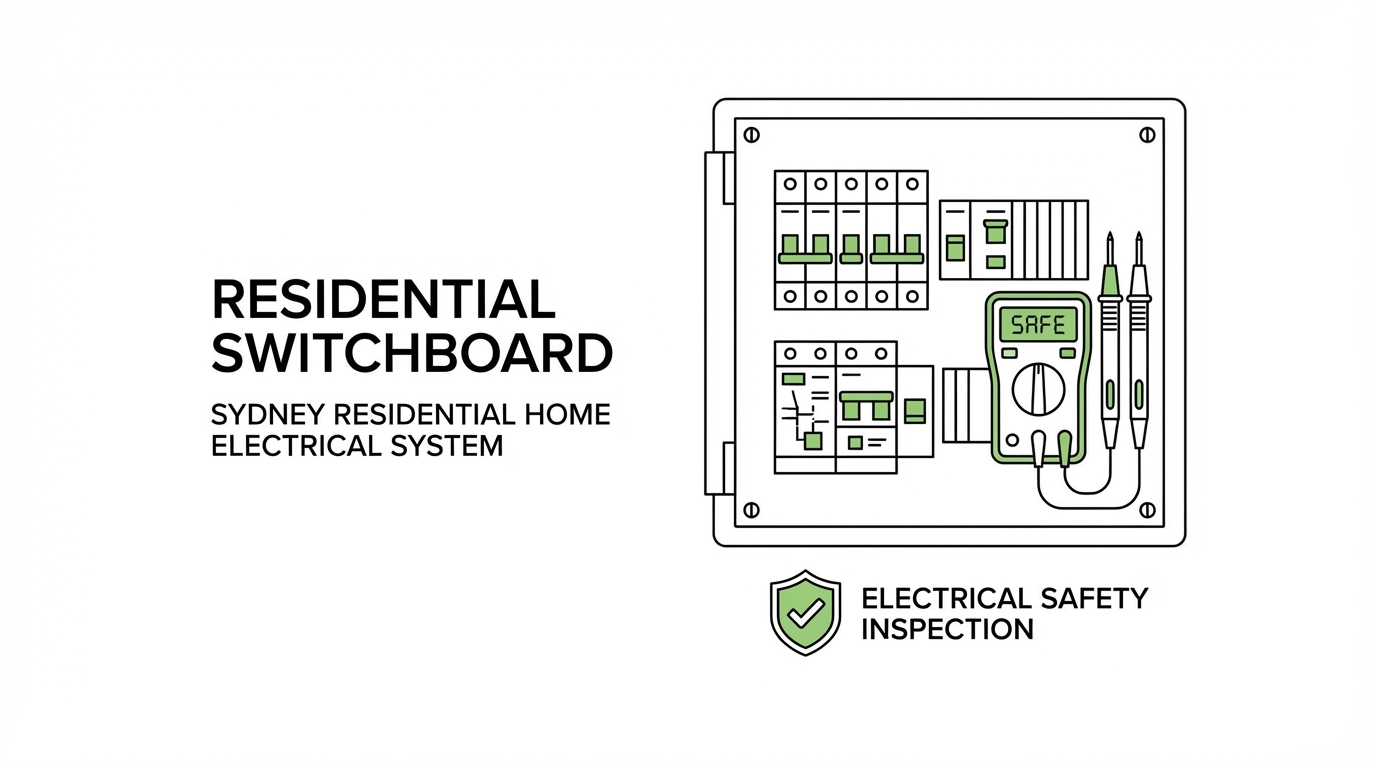
Switchboard and Circuit Breakers
Your switchboard is the control centre of your home’s electrical system. Electricians check for:
Outdated ceramic fuses that should be replaced with modern circuit breakers. Fuses can’t trip automatically when circuits overload, which means they’re a fire risk. Signs of overheating, discoloration, or burning smells around the switchboard. Proper labelling of circuits so you know which breaker controls which part of your home. Adequate capacity to handle your home’s current electrical demands without constant tripping.
If your switchboard is more than 25 years old or still uses fuses instead of breakers, an upgrade is usually recommended during the inspection.
Wiring and Electrical Circuits
Hidden wiring problems cause most electrical fires in Australian homes. Inspectors check for:
Deteriorating insulation on wiring, especially in older homes where rubber or fabric insulation breaks down over time. Aluminium wiring used in some 1970s homes, which expands and contracts more than copper, creating loose connections. Overloaded circuits where too many devices share a single circuit, causing overheating. Damage from pests, moisture, or building movement that exposes live wires.
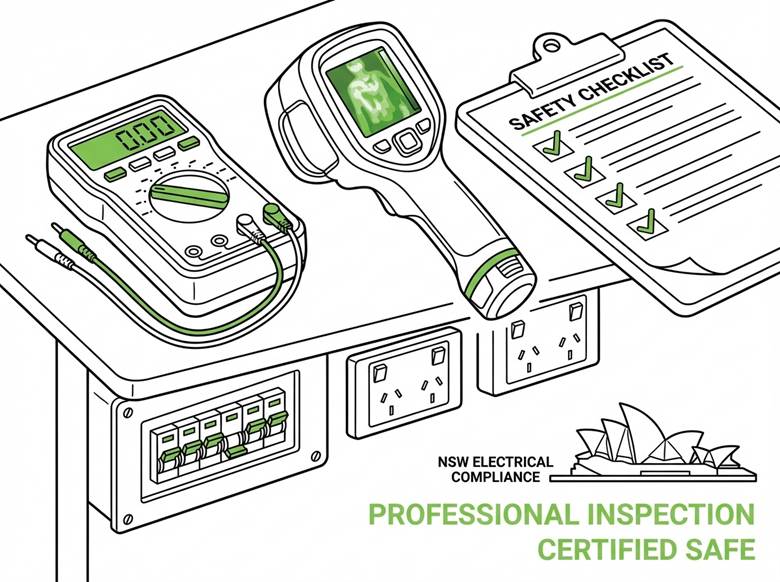
Thermal imaging cameras can detect hot spots in walls where wiring is overheating before it becomes visible damage.
Power Points and Outlets
Every accessible power point in your home gets tested. Electricians look for:
Outlets that feel warm to the touch, indicating poor connections or overloaded circuits. Discolored or burnt marks around power points. Loose-fitting plugs that don’t grip firmly. Damaged or cracked outlet covers. Outlets in wet areas like bathrooms and kitchens that lack proper protection.
Faulty outlets are easy to overlook but can cause electric shocks or start fires in walls where you can’t see the damage.
Earthing and Bonding Systems
Earthing protects you from electric shock by providing a safe path for electricity to flow into the ground if something goes wrong. Inspectors verify:
Proper earthing connections at the switchboard and throughout the home. Bonding of metal pipes, gas lines, and other conductive materials to prevent them from becoming electrified. Correct earthing for appliances like hot water systems and air conditioners.
Homes built before modern standards often have inadequate or deteriorated earthing systems that need upgrading.
Safety Switches (RCDs)
Residual Current Devices (RCDs), commonly called safety switches, are mandatory in NSW for all homes. They cut power within milliseconds if they detect a fault, preventing electrocution. Inspectors test:
Whether RCDs are installed for all circuits or just power circuits. That RCDs trip correctly when tested (they should respond in under 40 milliseconds). Proper installation and correct rating for your home’s electrical load.
If your home doesn’t have RCDs installed, this will be flagged as an immediate safety issue requiring urgent correction.
Smoke Detectors and Alarms
While not strictly electrical, smoke detectors are part of a comprehensive safety inspection. Electricians check:
Proper placement in required locations (hallways, bedrooms). Functional testing to ensure alarms sound correctly. Battery condition or hardwired power supply. Compliance with current NSW regulations for smoke alarm types and positioning.
Smoke detectors must be installed in specific locations and maintained regularly to meet NSW Fire and Rescue standards.
Lighting Circuits and Fixtures
Light fixtures and circuits throughout your home get checked for:
Secure mounting and proper installation. Correct bulb types and wattage ratings (using bulbs that exceed fixture ratings creates fire risks). Dimmer switches that buzz or flicker. Outdoor lighting with appropriate weatherproofing. Recessed downlights with adequate clearance from insulation.
Older homes with original light fixtures often have degraded wiring connections that overheat when lights are used for extended periods.
Warning Signs Your Sydney Home Needs an Electrical Inspection Now
Most electrical problems give you warning signs before they become dangerous. If you notice any of these issues in your home, book an electrical safety inspection straight away rather than waiting for your routine check.
Flickering or dimming lights when you turn on appliances suggest your electrical system is struggling with the load. This often means circuits are overloaded or connections have deteriorated. It’s especially common when air conditioners or heaters start up.
Circuit breakers that trip frequently are trying to protect your home from overheating circuits. If you’re constantly resetting breakers, your electrical system can’t safely handle your power demands. This is a clear sign you need both an inspection and likely a switchboard upgrade.
Warm or discolored power outlets and light switches indicate dangerous overheating. If an outlet feels warm when you touch it or you see black marks around the edges, stop using it immediately and call a licensed electrician. This is a fire waiting to happen.
Burning smells or buzzing sounds near outlets, switches, or the switchboard mean electrical components are failing. That distinctive electrical burning smell is insulation melting or connections arcing. Never ignore it.
Outdated switchboards with ceramic fuses instead of circuit breakers can’t provide adequate protection. If your switchboard looks like it hasn’t been touched since the 1980s, you’re living with outdated technology that doesn’t meet current safety standards.
After severe storms, even if everything seems fine, hidden damage to wiring or electrical components may have occurred. Sydney’s autumn storms can be particularly harsh, and a post-storm inspection provides peace of mind.
How Often Should Sydney Homes Get Electrical Safety Inspections?
The right inspection frequency depends on your home’s age, condition, and how you use it. Here’s what licensed electricians recommend for Sydney properties.
General residential homes should be inspected every 3 to 5 years as part of routine maintenance. This catches developing problems before they become serious and ensures your system keeps up with Australian standards that evolve over time.
Older homes built before 1980 need more frequent inspections, typically every 2 to 3 years. Original wiring and components in these homes are approaching or past their expected lifespan. Inner Sydney suburbs with heritage homes should prioritize regular inspections.
After significant storms or weather events, book an inspection even if everything appears to work normally. Lightning strikes near your property, flooding, or severe winds can damage electrical systems in ways that aren’t immediately obvious.
Before buying or selling property, a pre-purchase electrical inspection protects both parties. Buyers discover exactly what electrical work they’ll need to budget for. Sellers can address issues before they derail a sale.
After major renovations or additions, an inspection ensures new work integrates safely with your existing system and meets compliance standards. This is particularly important when adding high-demand appliances.
Rental properties require annual electrical safety checks in NSW to meet landlord obligations. Tenants have the right to safe electrical systems, and regular inspections protect both property owners and renters.
What Happens if Issues Are Found: Repairs and Typical Costs
When an electrical safety inspection uncovers problems, they’re categorized by urgency so you know what needs immediate attention and what can be scheduled for later. Licensed electricians in NSW classify issues into three categories.
Immediate safety hazards must be fixed right away because they pose serious risk of fire or electrocution. This includes exposed wiring, severely overheating circuits, missing safety switches, or damaged switchboards. Your electrician may need to make safe disconnections until proper repairs can be completed.
Urgent issues should be addressed within weeks because they’re developing into dangerous problems. Examples include deteriorating wiring insulation, overloaded circuits that trip frequently, or outlets that show signs of overheating.
Advisory items are upgrades or improvements that increase safety and efficiency but aren’t urgent. This might include adding more circuits to reduce load, upgrading older but functional components, or improving earthing systems.
Common repairs and typical Sydney costs for 2026:
- Replacing a single faulty outlet or switch: $120 to $180
- Installing RCD safety switches: $250 to $400 per circuit
- Rewiring a single room: $800 to $1,500 depending on size and access
- Complete switchboard upgrade: $1,800 to $3,500 for a standard residential property
- Full home rewire for older properties: $8,000 to $15,000 depending on home size
After repairs are completed, your licensed electrician provides a Certificate of Compliance for Electrical Work (CCEW), which is lodged with NSW Fair Trading. This certificate proves the work meets Australian standards and is essential for insurance and property sales.
NSW Electrical Safety Regulations You Need to Know
New South Wales has specific electrical safety regulations that all homeowners must comply with. Understanding these requirements helps you know when inspections are mandatory and what standards your home must meet.
Smoke detector requirements mandate that all NSW homes must have working smoke alarms installed in specific locations. They must be positioned on every level of the home, in hallways leading to bedrooms, and inside bedrooms in some situations. Alarms must be less than 10 years old and either hardwired or have 10-year lithium batteries.
Safety switch (RCD) mandatory installation applies to all homes in NSW. At minimum, RCDs must protect all power point circuits. Newer standards require RCD protection for lighting circuits as well. Any new electrical work triggers requirements to bring the entire home up to current safety switch standards.
Switchboard compliance standards require that switchboards meet current Australian Standards AS/NZS 3000. Older switchboards with ceramic fuses don’t comply and should be upgraded. Modern switchboards must include proper circuit labelling, adequate capacity, and safety switches.
Certificate of Compliance for Electrical Work (CCEW) must be issued by the licensed electrician who performs any electrical work on your property. This certificate is submitted to NSW Fair Trading within specific timeframes and proves the work meets safety standards.
When inspections are legally required includes situations like rental properties (landlord obligation), before property settlement (buyer due diligence), after major electrical work (compliance verification), and when selling a home built before current safety standards (disclosure requirement).
When a Switchboard Upgrade Becomes Necessary
Your switchboard distributes power throughout your home and protects circuits from overloading. Many inspection reports recommend switchboard upgrades because older units can’t meet modern demands or safety standards.
Clear signs you need a switchboard upgrade include ceramic fuses that you have to replace manually when they blow. Modern circuit breakers provide far better protection and reset with the flip of a switch.
Insufficient capacity shows up as frequent tripping when you use multiple appliances. If you can’t run the air conditioner and heater at the same time without losing power, your switchboard can’t handle your home’s electrical demands.
Modern appliance demands have changed dramatically since older switchboards were installed. Electric vehicle chargers, ducted air conditioning, home offices with multiple devices, and smart home systems all require significantly more power than homes needed 30 years ago.
Safety switch integration is often impossible with older switchboards. If you need RCDs installed to meet NSW regulations but your switchboard can’t accommodate them, an upgrade becomes necessary.
Upgrading your switchboard typically takes a single day and transforms your home’s electrical safety. Power is temporarily disconnected while work is completed, but most homeowners find the disruption minimal compared to the safety benefits.
What to Expect from Ontime Tradie’s Professional Inspection Process
When you book an electrical safety inspection with Ontime Tradie, here’s exactly what happens from start to finish.
Booking and scheduling is straightforward with same-day or next-day appointments available across Sydney, Central Coast, and Newcastle. We work around your schedule because electrical safety shouldn’t wait weeks for an opening.
What our licensed electricians inspect includes every component covered in this guide, from your switchboard through to individual outlets. We don’t skip steps or rush inspections because we know hidden problems create the biggest risks.
Thermal imaging technology helps us see what’s hidden behind walls. Our electricians use infrared cameras to detect hot spots in wiring, overheating connections, and failing components before they cause visible damage or start fires.
Detailed reports are provided on the same day we complete the inspection. Our reports clearly explain what we found, categorize issues by urgency, and include photos documenting problems. You’ll know exactly what needs attention and why it matters.
Same-day diagnosis and quotes mean you’re not left wondering what happens next. We provide clear pricing for any recommended repairs before work begins, so you can make informed decisions about your home’s electrical safety.
Transparent upfront pricing with no hidden fees ensures you know exactly what you’re paying. Our inspection costs are clearly stated when you book, and any additional work requires your approval first.
Conclusion
Autumn is the perfect time to schedule an electrical safety inspection for your Sydney home. Before winter arrives and your electrical system faces months of heavy use from heaters, lighting, and appliances, a professional inspection identifies problems while they’re still minor and inexpensive to fix.
Your home’s electrical system protects your family, your property, and your investment. A few hours of inspection now can prevent electrical fires, avoid expensive emergency repairs, and ensure you’re compliant with NSW safety regulations.
Book a licensed electrician inspection with Ontime Tradie today. Our qualified electricians provide thorough assessments, clear reporting, and honest recommendations you can trust. We’re available 24/7 across Sydney, Central Coast, and Newcastle with fast response times and upfront pricing. Call us now at 0488 822 795 or request a free quote online. For roofing service bookings, ontime tradie contact us is a simple option.
