
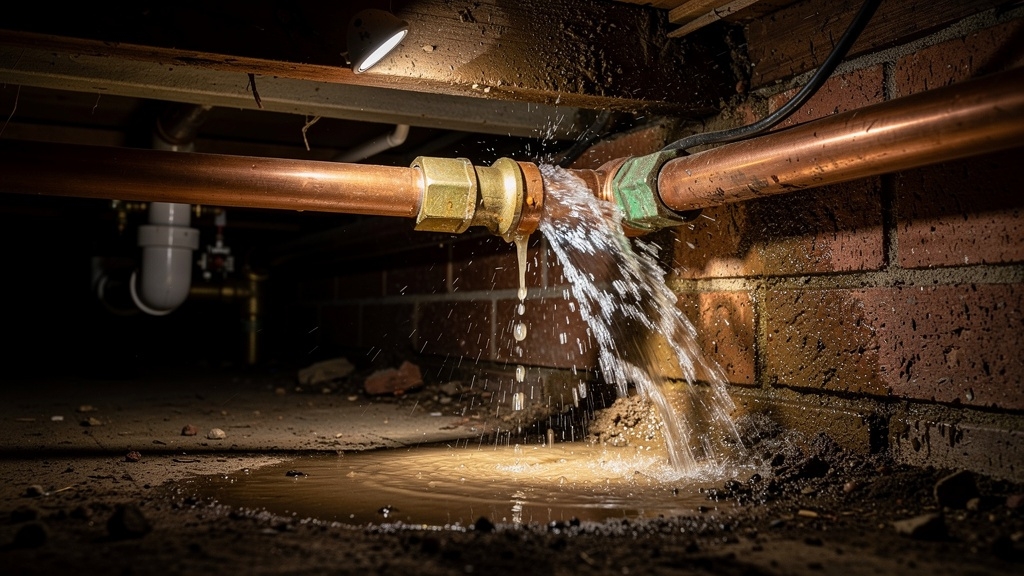
A leaking tap in Sydney might seem minor, but a single dripping tap wastes up to 20,000 litres of water per year and can signal a failing part that will get worse quickly. Understanding what causes tap leaks, what leaking tap repair in Sydney costs in 2026, and when to call a licensed plumber will save you money on both your water bill and your repair costs. This guide gives you the honest picture.
Sydney Water charges residential customers for every litre used. A tap that drips once per second adds roughly $100-$200 to your annual water bill – before the repair bill. With Sydney water prices continuing to rise in 2026, fixing a dripping tap quickly is now both a comfort issue and a financial decision.
Whether your tap is in the kitchen, bathroom, laundry or garden, the causes are largely the same. This guide covers all common tap types and gives you real cost figures from the Sydney market.
Why You Should Fix a Leaking Tap in Sydney Quickly
Water waste is the most obvious reason to act quickly, but ongoing leaks also cause secondary damage. Constant dripping corrodes fittings, stains basins and sinks, and encourages mould growth in the surrounding area. In older homes, a leaking tap near timber cabinetry can cause structural damage over months.
Under NSW plumbing regulations, any work on the pressurised water supply – including replacing tap washers on certain fitting types – must be carried out by a licensed plumber. A licensed plumber is also the only person who can legally turn off your water at the main stopcock if the tap fitting needs to be replaced. For full information on your rights regarding water usage, see IPART’s NSW Water pricing information.
Common Causes of a Leaking Tap
Most tap leaks fall into one of four categories. Identifying the cause helps you understand whether the job is a simple washer replacement or a more involved fitting replacement.
Worn Tap Washers
Traditional taps – the kind with a cross or capstan handle that you turn multiple times to fully open – use a rubber or fibre washer to create a watertight seal against the seat. Over time the washer compresses, hardens and eventually fails, allowing water to drip through even when the tap is closed. Replacing a washer is one of the most common plumbing repairs in Sydney homes.
Ceramic Disc Failure
Modern quarter-turn taps use ceramic disc cartridges instead of rubber washers. Ceramic discs are more durable but can crack or chip, particularly if grit or debris enters the water supply. They can also fail if overtightened. Replacing a ceramic cartridge costs more than a washer but takes less time because the entire cartridge is swapped as a unit.
O-Ring Degradation
Taps also rely on O-rings to seal the spindle – the internal shaft that connects the handle to the valve mechanism. When an O-ring wears out, water drips from the body of the tap, around the base of the spout, or at the handle rather than from the spout tip. This is often more noticeable with mixer taps that have a single lever handle.
Valve Seat Damage
The valve seat is the connection point inside the tap body where the washer meets the fitting. If grit or debris causes corrosion on the valve seat, replacing the washer alone will not stop the leak because the washer cannot form a proper seal against a pitted or corroded surface. A plumber will need to resurface the seat with a reseating tool or replace the tap entirely.
High Water Pressure
Sydney has some of the highest residential water pressures in Australia, particularly in hillside suburbs. Water pressure above 500 kPa puts extra stress on tap fittings, washers and O-rings, causing them to wear out faster than expected. If your tap washers keep failing every year or two, high water pressure may be the underlying cause. A licensed plumber can install a pressure-limiting valve to protect all fixtures in the property.
Leaking Tap Repair Sydney: What It Costs in 2026
Tap repair costs in Sydney depend on the tap type, the number of taps, access difficulty and whether parts need ordering. The table below shows typical market ranges for 2026. These are industry benchmarks, not quotes from any specific provider.
| Job Type | Typical Cost Range (incl. GST) | Notes |
|---|---|---|
| Callout fee (business hours) | $100 – $200 | Travel and first 15-30 min labour |
| Tap washer replacement (single tap) | $150 – $300 | Callout + parts + labour |
| Tap washer replacement (2-3 taps) | $200 – $400 | Economy of scale on callout |
| Ceramic cartridge replacement | $200 – $450 | Parts cost higher than rubber washer |
| O-ring replacement | $150 – $280 | Quick fix if parts available |
| Full tap replacement (single) | $250 – $600 | Parts + labour, varies by tap quality |
| Mixer tap replacement | $350 – $800 | Higher parts cost for mixers |
| After-hours callout surcharge | $200 – $400 + job cost | 7pm-7am, weekends, public holidays |
| Pressure-limiting valve installation | $400 – $900 | Protects all fixtures from high pressure |
Service fees vary between providers. Always confirm the callout fee before booking.
Most Sydney tradespeople charge $100-$200 as a callout fee, which typically covers the first 30 minutes of labour. Replacing multiple taps in one visit is more economical than booking separate callouts. Ask the plumber to quote all dripping taps during the same visit.
What Drives the Price Up
Non-standard taps increase costs significantly. Imported European mixers and discontinued Australian brands may require parts to be specially ordered, adding 2-5 business days and additional cost to the job. Concealed or wall-mounted taps require access to wall cavities, which increases labour time.
Under-sink shutoff valves that haven’t been operated for years sometimes seize during a repair, requiring valve replacement before the tap can be fixed. This is common in older Sydney homes. A good plumber will identify this risk before starting and quote accordingly.
When to Repair vs Replace a Tap
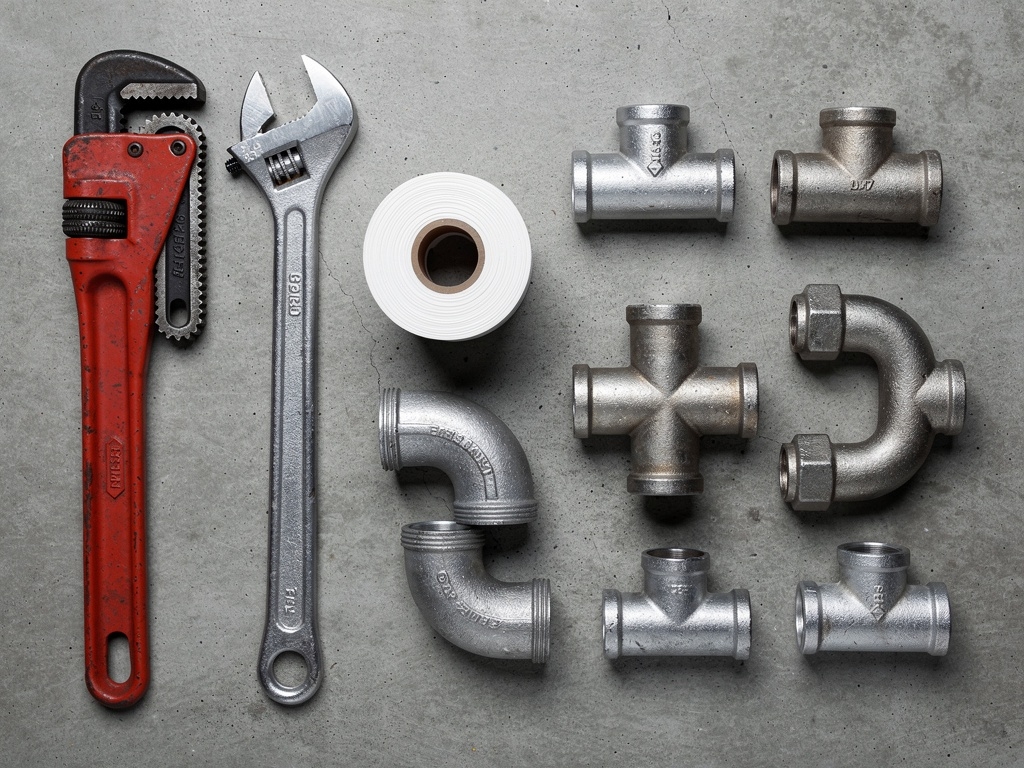
The decision between repairing and replacing a tap comes down to the tap’s age, condition and the cost of parts. As a general guide, if the repair cost exceeds 60% of the cost of a replacement tap installed, replacement is usually the better long-term choice.
Repair Is Usually the Better Option When
- The tap is less than 10 years old
- Only the washer, O-ring or cartridge has failed
- Parts are readily available at standard cost
- The tap body is in good condition with no corrosion
Replacement Makes More Sense When
- The tap is over 15 years old and has failed multiple times
- The valve seat is pitted and cannot be reseated
- Parts are no longer available or must be special-ordered
- The tap body itself is cracked, corroded or badly stained
- You’re renovating and want to update the fixtures
Our plumbers can advise on whether repair or replacement is more cost-effective for your specific tap. We also service the Avoca Beach plumbing and Bateau Bay plumbing areas on the Central Coast.
What You Can Fix Yourself (and What Requires a Plumber)
NSW plumbing law draws a clear line between what homeowners can do and what requires a licensed plumber. Understanding this boundary protects you legally and ensures work is covered by your home insurance.
What You Can Do Without a Licence
You can clean aerators on tap spouts, replace shower roses (the detachable head only), and replace a tap handle cover or cap. These tasks do not require interfering with the water supply or internal tap mechanism.
What Requires a Licensed Plumber in NSW
Under the NSW Fair Trading plumbing licensing requirements, all work on the pressurised water supply system requires a licence. This includes:
- Replacing tap washers, O-rings or cartridges
- Replacing tap bodies or mixer units
- Turning off the water at the property main
- Adjusting or installing pressure-limiting valves
- Any work on hot water tap connections
Attempting to carry out unlicensed plumbing work can void your home insurance in NSW. If you rent a property, unlicensed work may also breach your lease agreement. Call a licensed plumber for any work that goes beyond the surface of the fitting.
For guidance on leaking taps in rental properties, see our article on hot water service in Avoca Beach and the NSW Fair Trading guide linked above.
How to Choose a Plumber for Tap Repairs in Sydney
Sydney has hundreds of licensed plumbers but quality varies considerably. Here’s what to check before booking a plumber for tap repair work.
Verify Their NSW Plumbing Licence
All licensed plumbers in NSW must hold a plumbing contractor licence or work under one. You can verify a plumber’s licence on the NSW Fair Trading licence check website. Always check before allowing work to begin.
Ask for a Written Quote
A reputable plumber will provide a written quote or a clear verbal price before starting any work. Be wary of plumbers who begin the job without quoting – this makes it difficult to dispute the bill later. For jobs over $1,000, NSW law requires a written quote.
Ask About Callout Fees
Callout fees vary between providers and should be disclosed before booking. Some plumbers include the first 30 minutes in the callout fee; others charge labour separately from minute one. Ask specifically: “Is the callout fee separate from labour, or does it include the first hour?” Service fees vary between providers. Always confirm the callout fee before booking.
Check Reviews and Guarantees
Google and Product Review ratings give a useful picture of actual customer experience. Look for plumbers with a consistent track record for punctuality, clean work and fair pricing. Ask whether their workmanship is guaranteed and for how long.
Our plumbers cover all Sydney suburbs including Bateau Bay, Woy Woy, Umina Beach and the Northern Beaches. See our plumbing locations page for your suburb. We also offer 24-hour emergency services when you need fast help. When you need trusted local tradies, ontime tradie contact us makes the process simple.
Leaking Tap in Sydney? We’ll Fix It Fast.
Licensed plumbers covering all Sydney suburbs. Upfront pricing, no hidden callout surprises.
Request a CallbackFrequently Asked Questions
How much does leaking tap repair cost in Sydney?
Leaking tap repair in Sydney typically costs $150-$450 for a standard washer or cartridge replacement, including the callout fee. More complex jobs – such as replacing a full mixer tap or installing a pressure-limiting valve – can cost $350-$900. Most Sydney tradespeople charge $100-$200 as a callout fee on top of labour. Service fees vary between providers. Always confirm the callout fee before booking.
Can I legally fix a leaking tap myself in NSW?
In NSW, all work on the pressurised water supply – including replacing tap washers, O-rings and cartridges – must be carried out by a licensed plumber. You can clean tap aerators or replace detachable shower heads without a licence, but any work involving the internal mechanism or the main water supply requires a licensed professional. Unlicensed work can void your home insurance.
How do I know whether to repair or replace a leaking tap?
Repair is usually more economical if the tap is under 10 years old, parts are readily available and the tap body is in good condition. Replace the tap if it has failed multiple times, the valve seat is corroded, parts are hard to source, or the repair cost exceeds about 60% of the replacement cost. A licensed plumber can assess both options and quote both so you can make an informed decision.
Why does my tap keep dripping after the washer has been replaced?
If a tap drips again shortly after a washer replacement, the most likely cause is a damaged valve seat. The valve seat is the internal surface the washer presses against to stop water flow. If it is pitted, corroded or scored, the new washer cannot form a complete seal. A plumber can resurface the seat with a reseating tool, or if the damage is too severe, the tap body will need to be replaced.
How much water does a leaking tap waste?
A tap dripping once per second wastes approximately 30 litres per day, or around 11,000 litres per year. A tap with a faster drip rate can waste 20,000 litres or more annually. At Sydney Water’s current residential rates, this adds roughly $50-$200 to your yearly water bill, depending on the drip rate and your tariff. Fixing the tap quickly recovers most of this cost in the first year.
Is a leaking tap covered by home insurance?
Home insurance policies in Australia generally do not cover gradual leaks or maintenance issues like dripping taps. However, if a leaking tap causes water damage to surrounding structures – such as under-sink cabinetry, flooring or adjacent walls – that secondary damage may be covered depending on your policy and how promptly you acted to fix the source. Check your policy wording and contact your insurer for specific coverage details.
