
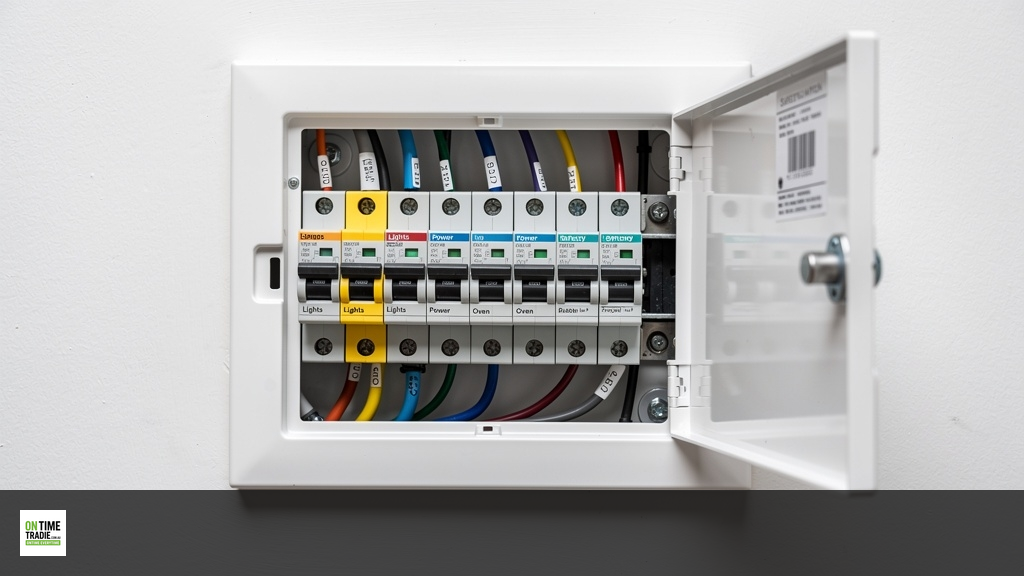
When the Power Goes Out at Midnight: Your Honest Guide to Emergency Electricians in Sydney
A 24-hour emergency electrician in Sydney is one of those services you never plan for until you urgently need one. This guide cuts through the vague pricing, explains what genuinely qualifies as an electrical emergency, and tells you exactly what to expect when you call at 2 AM — including what after-hours work should realistically cost you.
What Qualifies as an Electrical Emergency?
Not every electrical problem needs a 2 AM call-out. Understanding what’s genuinely urgent helps you make the right call — and avoid paying after-hours rates when the job can wait until morning.
True Emergencies — Call Immediately
- Sparking or arcing: Visible sparking from outlets, switches, or the switchboard is a fire risk. Switch off at the main and call immediately.
- Burning smell or smoke: The smell of burning plastic or rubber from walls, ceilings, or the switchboard indicates active overheating. Evacuate if it intensifies.
- Complete power loss (whole house or business): If it’s not a network outage (check Endeavour Energy’s outage map), it’s likely a failed main switch, blown main fuse, or metering fault.
- Exposed live wires: Wiring that has been damaged by storm, rodents, or renovation work and is now exposed creates immediate shock and fire risk.
- RCD or safety switch tripping repeatedly: A single trip with a clear cause (overloaded circuit) may not be urgent. Repeated tripping with no clear cause suggests a ground fault that needs same-day attention.
- Electrical shock has occurred: Any time a person has received a shock, the circuit involved needs professional inspection before anyone uses it again.
- Storm or flood damage to electrical infrastructure: Water and electricity don’t mix. If floodwater has reached switchboards, power points, or subfloor wiring, do not restore power — call an emergency electrician and your energy network.
Urgent But Can Usually Wait Until Morning
- Single circuit tripping (other circuits working fine)
- One or two power points not working
- Lights flickering in one room
- Hot water system not heating (electrical element failure — inconvenient but not dangerous)
For non-emergencies, booking during business hours saves significantly on callout fees. Our team at On Time Tradie is available 24/7 for genuine emergencies, and we’ll always give you an honest assessment of whether your situation requires immediate attendance.
After-Hours Emergency Electrician Costs in Sydney
Emergency electrical costs in Sydney vary significantly between providers. Here’s a realistic breakdown of what you should expect to pay in 2026.
Sydney Emergency Electrician Price Ranges
| Time / Day | Typical Callout Fee | Hourly Labour Rate | Notes |
|---|---|---|---|
| Business hours (Mon–Fri 7am–5pm) | $60–$100 | $90–$130/hr | Standard rate |
| After hours (Mon–Fri 5pm–10pm) | $100–$200 | $130–$180/hr | Evening penalty rates |
| Late night (10pm–6am) | $150–$300 | $150–$220/hr | Full after-hours penalty |
| Saturday (business hours) | $120–$200 | $130–$180/hr | Weekend penalty |
| Sunday / Public Holiday | $150–$350 | $160–$250/hr | Double-time rates |
These are market benchmarks only. Actual rates vary between businesses. Always confirm the callout fee and labour rate before authorising work — any reputable emergency electrician will give you this information on the phone before arriving.
Common Emergency Jobs and Typical Cost
| Job Type | Estimated After-Hours Cost |
|---|---|
| Tripped RCD reset and diagnosis | $180–$350 (callout + 30–60 min) |
| Failed main switch replacement | $350–$600 |
| Emergency repair of damaged/exposed wiring | $300–$700+ depending on extent |
| Storm damage assessment + temporary repair | $400–$800 |
| Safety switch fault diagnosis | $200–$450 |
Why Do After-Hours Rates Exist?
Electricians working at 2 AM are paid penalty rates under the National Electrical, Electronic and Communications Contracting Industry Award. These rates are set by the Fair Work Commission, not by the individual electrician. A business that sends a licensed sparky at midnight genuinely incurs higher labour costs than a 9 AM booking — the after-hours callout fee reflects this reality.
What to Do Before the Electrician Arrives
Taking the right steps in the first few minutes of an electrical emergency reduces risk and helps the electrician work faster when they arrive.
- Don’t touch the affected area. If there’s sparking, burning smell, or exposed wiring — stay away from it. Electricity can arc unexpectedly.
- Switch off at the main if safe to do so. The main switch is in your switchboard (usually in a meter box by the front of the property, or in the garage). If you can reach it safely without crossing the problem area, switch it off.
- Check for a network outage. Before calling an electrician, check your energy retailer’s outage map. A wide-area blackout doesn’t need an electrician — it needs your network operator.
- Unplug high-draw appliances. If an overloaded circuit is the suspected cause, unplug heaters, air conditioners, and dryers before the electrician arrives — this makes diagnosis faster.
- Have your switchboard accessible. Clear anything blocking the meter box or internal switchboard. The electrician will need to work here first.
- Note what happened. Time of fault, any sounds or smells, what was running at the time, whether the RCD tripped — this information helps the electrician diagnose faster and may reduce your bill.
What Happens During an Emergency Call-Out
A well-run emergency call-out follows a clear sequence. Here’s what a professional emergency electrician should do from the moment they arrive:
- Arrival check (5 min): Confirm the situation hasn’t changed since the call. Check for immediate hazards — smoke, water, visible sparking.
- Isolation (2–5 min): The affected circuit or main is isolated and verified de-energised before any hands-on work begins.
- Diagnosis (10–30 min): Using a combination of visual inspection, thermal camera (if available), multimeter testing, and insulation resistance testing to locate the fault.
- Temporary or permanent repair: For most common faults (failed switch, damaged cable segment, loose connection), a permanent repair is completed on the first visit. For major storm damage or complex wiring faults, a temporary isolation and safe-state restoration may be all that’s possible in one visit.
- Test and restore: The circuit is tested under load before being returned to service. RCDs and safety switches are tested after any fault repair.
- Documentation: A compliant electrical contractor must provide a Certificate of Electrical Safety for any regulated electrical work in NSW. Ask for it if it’s not offered.
How to Choose the Right Emergency Electrician in Sydney
In a genuine electrical emergency, you’re under pressure and can’t spend 20 minutes researching. Here’s what to check quickly:
Check Licence First
Every electrician in NSW must hold a current electrical contractor’s licence (for businesses) and an electrical worker’s licence (for individuals). You can verify both at NSW Fair Trading’s licence check. A reputable business will have their licence number on their website and invoice.
Confirm Insurance
Public liability insurance is required. Any legitimate electrical contractor will confirm they’re insured when asked.
Ask for a Quote Before Work Starts
Even at 2 AM, a professional electrician can give you an indication of callout fees, labour rates, and (once they’ve assessed) an estimated cost for the repair. If a provider refuses to quote and just says “we’ll figure it out after” — that’s a warning sign.
Read Reviews for Emergency-Specific Feedback
Look for Google reviews that mention after-hours service specifically. “Fast response at midnight”, “fair pricing on a Sunday” — these tell you more than reviews about routine jobs.
On Time Tradie provides emergency electrical services across Sydney, Central Coast, and Newcastle. If you’re dealing with a non-emergency electrical issue during business hours, our electrical safety inspection guide is worth reading before you call. Our team also covers emergency plumbing — useful if your electrical emergency is related to a burst pipe or flooding. For planned electrical maintenance, check our tradie vs DIY guide to understand when a professional is actually needed.
Avoiding Overcharging and Rogue Traders
Emergency electrical services attract a small number of operators who exploit the urgency. Here are the warning signs:
- No upfront pricing: Legitimate electricians can quote callout fees and labour rates before arrival — even in emergencies
- Unmarked vehicles with no company branding: Reputable trade businesses use branded vehicles with ABN and licence numbers visible
- Pressure to authorise expensive work immediately: A genuine fault doesn’t require you to sign off on $3,000 of work at midnight without explanation. A reputable electrician will explain what they found, what’s needed, and give you the option to get a second opinion on non-urgent repairs
- No Certificate of Electrical Safety offered: NSW law requires this document for regulated electrical work. If it’s not mentioned, ask. If it’s refused, walk away.
- Licence number not provided on request: Any licensed electrical contractor must provide their licence number on their paperwork and on request
If you believe you’ve been charged unfairly by an unlicensed or rogue operator, report it to NSW Fair Trading. Property owners can request expert help through ontime tradie contact us.
Sydney’s 24/7 Emergency Electrician
On Time Tradie responds fast across Sydney, Central Coast and Newcastle. Licensed, insured, and transparent with pricing — day or night.
Frequently Asked Questions
How much does a 24-hour emergency electrician cost in Sydney?
After-hours callout fees in Sydney typically range from $150–$300 for late-night or weekend attendance, with labour rates of $130–$250 per hour depending on the time and day. Most emergency jobs cost $200–$600 in total. Always confirm rates before the electrician arrives.
What should I do if I smell burning from my switchboard?
Leave the area, switch off the main if it’s safe to reach, and call an emergency electrician immediately. Do not attempt to open the switchboard. If the smell intensifies or you see smoke, evacuate the property and call 000.
Can a safety switch trip cause a house fire?
A properly functioning safety switch trips to prevent fires and electrocution — it’s doing its job. The danger is what caused it to trip. Repeated tripping with no clear cause (like an overloaded circuit) suggests a ground fault or wiring fault that needs immediate investigation.
Is it safe to reset a tripped RCD yourself?
You can attempt a single reset after unplugging all appliances on the affected circuit. If it holds, plug appliances back in one at a time to identify the faulty item. If it trips again with nothing plugged in, or keeps tripping repeatedly, call an electrician — the fault is in the wiring or switchboard, not an appliance.
Does an emergency electrician need to provide paperwork?
Yes. For any regulated electrical work in NSW, a licensed contractor must provide a Certificate of Electrical Safety (also called an Electrical Safety Certificate). This documents what work was done and confirms it was completed by a licensed electrician. Always ask for this document and keep it with your home records.
What’s the difference between a licensed electrician and a handyman for electrical work?
In NSW, all electrical wiring work must be done by a licensed electrician. A handyman can replace a light globe, but cannot connect to wiring, replace switches, or work on the switchboard. Work done by an unlicensed person is illegal, voids your insurance, and may void your manufacturer’s warranty on affected appliances.
