
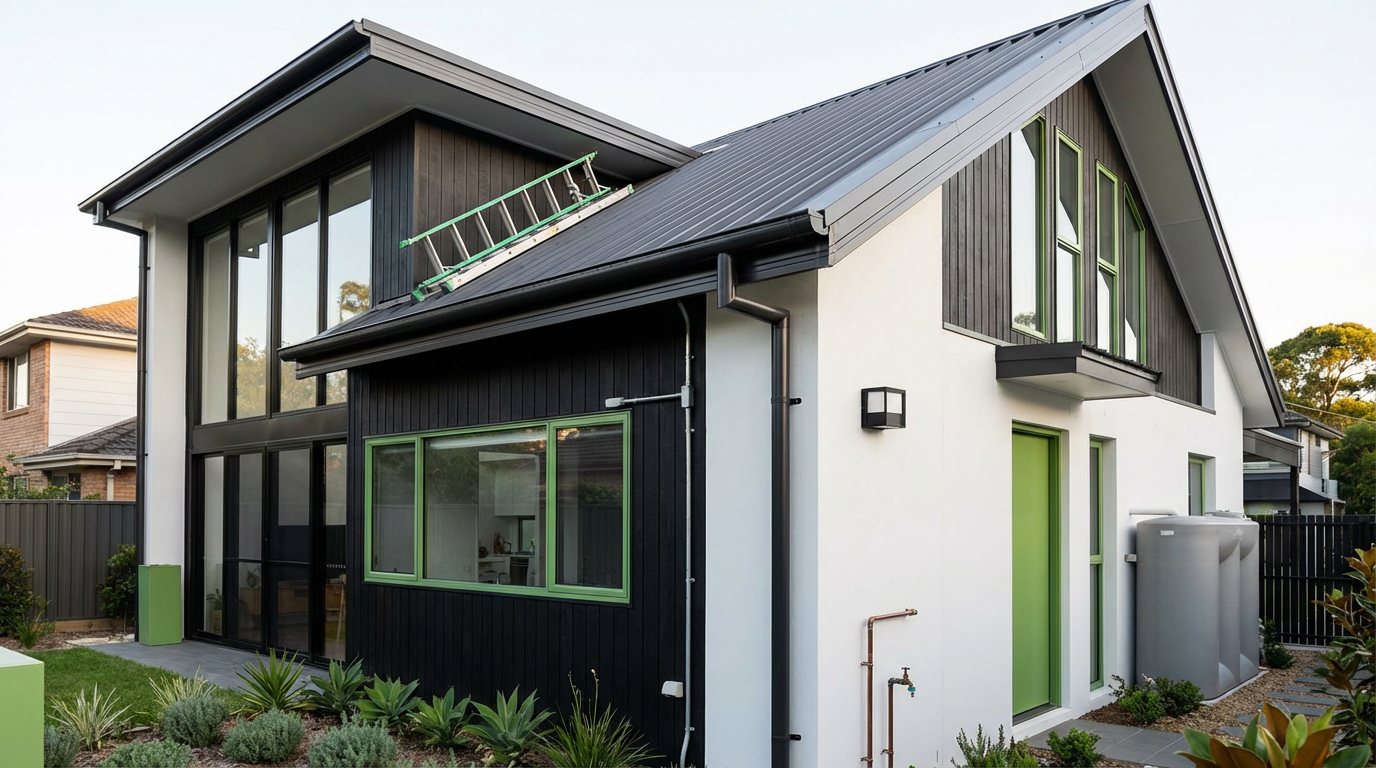
As summer fades and autumn approaches, Sydney, Central Coast, and Newcastle homeowners have a critical window to prepare their properties for the cooler months ahead. While Australian winters may be milder than many parts of the world, the seasonal transition brings unique challenges that can lead to costly emergency repairs if left unaddressed.
Smart homeowners know that late January through February is the perfect time to schedule essential maintenance before winter demand peaks. From hot water systems working overtime to heating units gathering dust for months, your home’s critical systems need attention now. This comprehensive guide reveals exactly what licensed tradies recommend you do today to avoid expensive breakdowns when you need your systems most.
With over 30% of winter emergency callouts resulting from preventable issues, investing time in preparation now saves thousands later. Whether you’re concerned about plumbing freezes, electrical safety, heating efficiency, or roof integrity, this winter home preparation checklist covers everything Sydney homeowners need to know. Let’s protect your biggest investment and ensure your family stays comfortable all winter long.
Why Autumn Preparation Matters for Sydney Homes
Unlike reactive maintenance that responds to failures, preventative preparation addresses vulnerabilities before they become emergencies. Australian homes face distinctive seasonal stresses that many homeowners underestimate.
The Cost of Waiting
Emergency tradie callouts cost 50-100% more than scheduled maintenance. A burst hot water system on a freezing June morning not only means cold showers but also premium after-hours rates, potential water damage, and days without hot water while waiting for replacement parts.
Industry data shows that homeowners who complete autumn maintenance spend an average of $450 on preventative services but avoid an average of $2,400 in winter emergency repairs. The mathematics are compelling: every dollar invested in preparation saves approximately $5 in avoided breakdowns.
Seasonal Timing Advantages
Late summer and early autumn offer ideal conditions for home maintenance:
- Tradies have greater availability before winter rush
- Weather remains mild for outdoor work
- Systems can be tested before you depend on them
- Replacement parts are readily available
- Any issues discovered allow time for repair rather than emergency replacement
Scheduling now means you choose your tradie rather than desperately calling whoever answers during a winter emergency.
Essential Plumbing Preparation Checklist
Your plumbing system faces increased demand during winter, with hot water usage rising by up to 40%. Preparing now prevents the most common winter plumbing emergencies.
Hot Water System Comprehensive Service
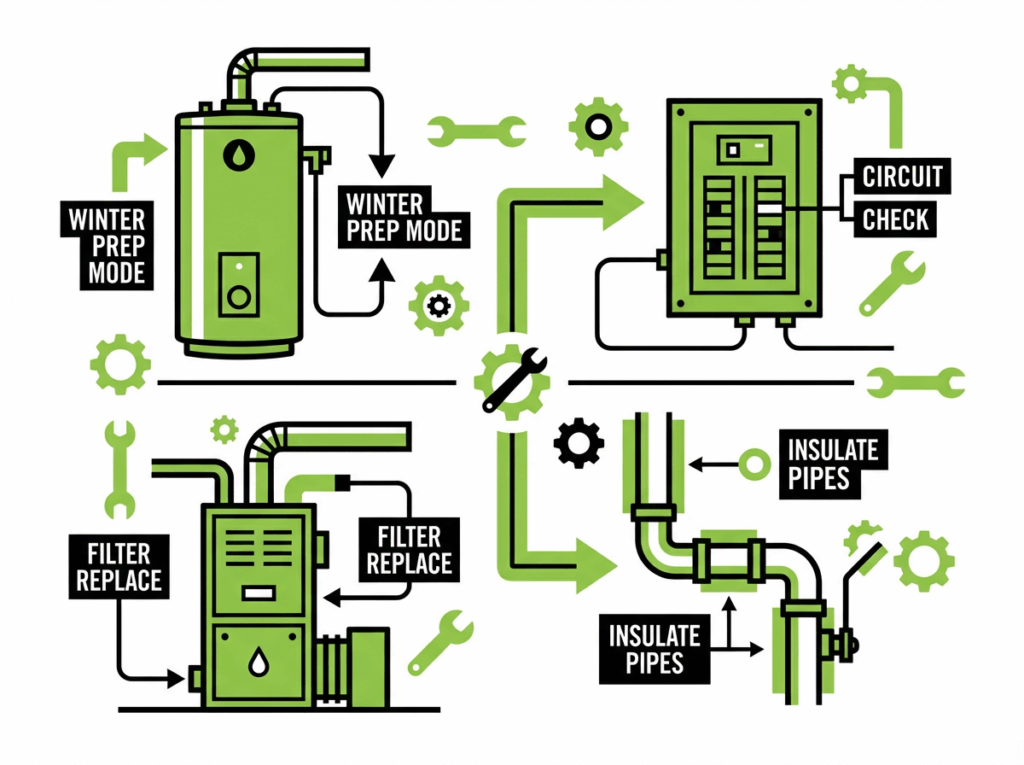
Hot water system failures spike dramatically in winter when cold water temperatures drop and usage increases. Professional servicing should include:
- Temperature and pressure relief valve testing
- Anode rod inspection and replacement (prevents tank corrosion)
- Sediment flushing to improve efficiency
- Thermostat calibration and safety testing
- Electrical or gas connections inspection
- Insulation check and upgrade if needed
Most hot water systems last 8-12 years with proper maintenance but fail after just 6-8 years without care. A $200-300 service now prevents a $2,500+ emergency replacement during winter. For gas systems, carbon monoxide testing ensures family safety. Electric systems need pressure valve and element checks. Solar systems require panel inspection and pump testing.
Pipe Insulation and Winterization
While Sydney rarely experiences pipe-freezing temperatures, exposed pipes in roof spaces, under houses, and in unheated areas remain vulnerable. Temperature fluctuations cause condensation and stress that can lead to leaks.
Focus insulation efforts on:
• Pipes in roof cavities where temperature swings are greatest
• Outdoor taps and irrigation systems
• Pipes in unheated garages or storage areas
• Hot water pipes to reduce heat loss and save energy
• Areas previously affected by leaks
Pipe insulation costs approximately $2-5 per meter but reduces heat loss by up to 70%, lowering energy bills while preventing problems. Licensed plumbers can identify vulnerable areas and recommend appropriate insulation solutions.
Drainage System Preparation
Autumn brings increased rainfall across Sydney, Central Coast, and Newcastle. Clearing drainage systems before peak rainfall prevents flooding and water damage.
Essential drainage tasks include:
- Professional gutter and downpipe cleaning
- Stormwater drain clearing and testing
- Ensuring proper drainage away from foundations
- Checking overflow relief gullies function correctly
- Repairing damaged or disconnected downpipes
CCTV drain camera inspections identify hidden blockages from tree roots or debris buildup. This non-invasive technology allows licensed plumbers to see exactly what’s happening inside your drainage system and address problems before heavy winter rains expose them.
Critical Electrical Safety Checks
Winter electricity usage increases significantly as heating, lighting, and appliances run longer hours. Ensuring your electrical system can handle increased demand prevents dangerous failures.
Heating System Inspection and Testing
Heating systems that sat unused through summer require professional inspection before you depend on them. Common issues with stored heating equipment include:
- Dust accumulation causing fire hazards
- Electrical connections that deteriorated during storage
- Thermostats that drift out of calibration
- Heating elements or gas components that corroded
- Circuit breakers unable to handle startup load
Licensed electricians test heating systems under load, ensuring they operate safely and efficiently. This includes checking:
- Electrical connections for signs of arcing or overheating
- Correct circuit breaker ratings for heating loads
- Thermostat accuracy and proper operation
- Ground fault protection for safety
- Adequate circuit capacity for your heating needs
Reverse cycle air conditioners need both cooling and heating mode testing. Portable heaters should be inspected for cord damage and proper grounding. Underfloor heating systems require thermal imaging to detect hot spots or failures before you turn them on.
Switchboard and Safety Switch Verification
Your switchboard is your home’s electrical command center. Winter preparation should include:
- Safety switch (RCD) testing – these lifesaving devices must trip within 0.03 seconds
- Circuit breaker inspection for signs of overheating or damage
- Checking all circuits are properly labeled
- Verifying adequate capacity for winter electrical loads
- Identifying any outdated or unsafe components
Older homes with ceramic fuse switchboards need urgent upgrading to modern circuit breaker systems with safety switches. This isn’t just about convenience – it’s life-threatening safety issue. Modern switchboards with safety switches prevent electrocution and reduce fire risk by up to 70%.
Licensed electricians identify warning signs like:
- Burning smells or scorch marks
- Warm switchboard covers
- Frequently tripping breakers
- Flickering lights when appliances start
- Outlets that feel warm
Never ignore these symptoms. They indicate serious problems that worsen under winter’s increased electrical demand.
Lighting and Outdoor Electrical Preparation
Shorter winter days mean outdoor lighting operates longer. Autumn preparation should include:
- Testing all outdoor security and pathway lighting
- Cleaning light fixtures and replacing failed bulbs
- Inspecting outdoor outlet weatherproofing
- Checking outdoor Christmas light circuits work properly
- Ensuring timers and sensors function correctly
Upgrading to LED lighting before winter reduces electricity costs by up to 75% while providing better illumination during long winter evenings. Modern LED fixtures last 15-20 years and pay for themselves through energy savings within 2-3 years.
Comprehensive Roof and Gutter Maintenance
Your roof is your home’s first defense against winter weather. Autumn maintenance prevents leaks, water damage, and costly emergency repairs during winter storms.
Professional Roof Inspection
Licensed roof plumbers identify problems invisible from ground level. Professional inspections examine:
- Tile or metal roofing for cracks, damage, or deterioration
- Roof flashing around chimneys, vents, and skylights
- Ridge capping integrity and storm damage
- Roof valleys where leaks commonly develop
- Signs of previous repairs that may fail
- Structural integrity and support
Summer’s heat and UV exposure weakens roofing materials. Small cracks or loose tiles that survived summer will fail under winter rain and wind. Early detection allows scheduled repair rather than emergency response during storms.
Thermal imaging cameras detect moisture trapped in roofing or insulation – hidden damage that will worsen through winter. This technology identifies problems before they cause visible interior damage.
Gutter and Downpipe Clearing
Blocked gutters cause thousands of dollars in preventable water damage annually. Professional gutter cleaning includes:
- Complete debris removal from all gutters
- Downpipe clearing and flow testing
- Identifying damaged or leaking sections
- Checking proper water flow away from foundations
- Inspecting gutter brackets and alignment
Autumn leaf drop coincides with late summer storms, creating the perfect conditions for severe blockages before winter. One blocked downpipe can overflow 100+ liters per hour during heavy rain, causing:
- Water penetration into roof spaces and ceilings
- Foundation erosion and structural damage
- Wall staining and internal water damage
- Mosquito breeding in standing water
- Fascia and soffit rot
Professional gutter guards prevent future blockages while allowing proper water flow. These systems pay for themselves by eliminating annual cleaning costs and preventing water damage.
Roof Ventilation and Insulation Check
Proper roof ventilation and insulation work together to prevent moisture buildup and maintain comfortable temperatures. Autumn inspections should verify:
- Whirlybirds or ridge vents operate freely
- Soffit vents allow adequate airflow
- Insulation hasn’t been compressed or damaged
- No gaps in insulation coverage
- Vapor barriers remain intact
Poor ventilation traps moisture in roof spaces during winter, causing mold growth and structural damage. Adequate insulation reduces heating costs by up to 45% while preventing condensation problems. These combined systems protect your roof structure while keeping your home comfortable and energy-efficient.
Additional Winter Preparation Tasks
Beyond the major tradie services, several homeowner-friendly tasks complete your winter preparation checklist.
Smoke Alarm and Safety Equipment Testing
NSW legislation requires photoelectric smoke alarms in all bedrooms, hallways, and levels. Autumn preparation includes:
- Testing all smoke alarms monthly
- Replacing batteries in battery-powered units
- Replacing smoke alarms over 10 years old
- Ensuring proper placement according to Australian Standards
- Adding carbon monoxide detectors near gas appliances
Smoke alarms save lives, but only if they function correctly. With increased heating use and closed windows, winter creates greater fire risk. Non-functional alarms may also void your home insurance in case of fire.
Window and Door Weatherproofing
Drafty windows and doors waste up to 25% of your heating energy. Simple weatherproofing includes:
- Replacing worn door sweeps and thresholds
- Installing or replacing window weatherstripping
- Sealing gaps around frames with appropriate caulking
- Checking and repairing flyscreen integrity
- Ensuring windows lock properly for security and sealing
These affordable improvements pay for themselves within one winter through reduced heating costs. Homeowners typically spend $50-150 on materials but save $200-400 annually on energy bills.
Garden and Outdoor Preparation
Outdoor spaces need winter preparation too:
- Storing or covering outdoor furniture to extend lifespan
- Protecting potted plants from frost
- Clearing leaves and debris from outdoor areas
- Checking outdoor tap covers and frost protection
- Ensuring proper drainage away from house
- Trimming branches that might fall on roof during storms
These simple tasks prevent winter damage to outdoor investments while protecting your home’s exterior from water and debris accumulation.
When to Call Licensed Tradies
While homeowners can handle basic checks, professional expertise is essential for safety and compliance.
Legally Required Professional Services
NSW law requires licensed tradies for:
- All electrical work (even changing light switches)
- Gas plumbing and hot water repairs
- Major plumbing installations and repairs
- Roof work requiring walking on roofs
- Drainage connections to sewer or stormwater systems
DIY work in these areas is illegal, dangerous, and voids insurance. The small cost of professional service protects your family’s safety and legal compliance.
Choosing the Right Sydney Tradie
Quality tradies demonstrate:
✓ Valid NSW licenses and comprehensive insurance
✓ Upfront pricing with no hidden fees
✓ Professional communication and punctuality
✓ Modern diagnostic equipment (CCTV cameras, thermal imaging)
✓ Lifetime warranties on workmanship
✓ Positive reviews from local customers
✓ 24/7 emergency availability
✓ Clean, professional service vehicles and uniforms
OnTime Tradie meets all these standards, serving Sydney, Central Coast, and Newcastle with comprehensive plumbing, electrical, and roofing services. Our licensed professionals use advanced diagnostic equipment to identify problems early and fix them right the first time.
Your Complete Autumn Preparation Timeline
Use this timeline to schedule your winter preparation efficiently:
Late January – Early February
- Schedule professional hot water system service
- Book roof and gutter inspection and cleaning
- Arrange electrical safety inspection
- Plan heating system testing
Mid-February – Early March
- Complete all professional tradie services
- Address any issues identified during inspections
- Install pipe insulation if recommended
- Upgrade outdated electrical components
Late March – April
- Complete DIY weatherproofing tasks
- Test all heating systems under load
- Replace smoke alarm batteries
- Prepare outdoor areas for winter
- Review emergency contact information
Following this schedule ensures all work completes before May when winter temperatures arrive and tradie demand peaks. Early scheduling also provides flexibility if inspections reveal issues needing additional work.
Frequently Asked Questions
When should I start preparing my Sydney home for winter?
Late January through February is ideal for winter preparation. This timing provides several advantages: tradies have better availability before winter rush, weather remains mild for outdoor work, and you have time to address any issues discovered during inspections. Waiting until late autumn means competing with peak demand and risking breakdowns before repairs complete.
How much should I budget for winter home preparation?
Most Sydney homeowners spend $400-800 on preventative winter preparation, including hot water servicing ($150-250), electrical inspection ($180-300), roof and gutter cleaning ($250-400), and minor repairs. This investment typically prevents $2,000-4,000 in potential winter emergency repairs. Homes over 15 years old or with known issues should budget higher for potential component replacements.
Can I do winter preparation myself or do I need tradies?
Homeowners can handle visual inspections, gutter cleaning (if safe), weatherproofing, and basic maintenance. However, NSW law requires licensed tradies for all electrical work, gas plumbing, hot water system servicing, and roof repairs. Professional diagnostic equipment (CCTV cameras, thermal imaging, electrical testing) identifies hidden problems impossible to detect otherwise. The combination of DIY preparation and professional expertise provides comprehensive protection.
What are the most common winter problems in Sydney homes?
The top winter issues we encounter are hot water system failures (increased demand exposes aging components), blocked drains from autumn leaves, heating system electrical faults, roof leaks from undetected damage, and insufficient electrical capacity for winter loads. Approximately 80% of these problems are preventable through proper autumn preparation and professional inspection.
Do I really need professional gutter cleaning?
While homeowners can clean accessible gutters, professional service offers significant advantages: proper safety equipment and insurance, high-pressure cleaning that removes compacted debris, downpipe clearing with specialized tools, identification of hidden damage, and proper disposal of waste. Most importantly, professionals can safely access difficult areas and identify problems you can’t see from the ground. Water damage from one missed blockage costs far more than professional cleaning.
Conclusion: Start Your Winter Preparation Today
Preparing your Sydney home for autumn and winter isn’t just about comfort – it’s about protecting your biggest financial investment and avoiding expensive emergency repairs. The seasonal transition from summer to winter creates a critical preparation window that smart homeowners use to their advantage.
Every dollar invested in preventative maintenance saves approximately five dollars in avoided emergency repairs. More importantly, preparation provides peace of mind knowing your home’s essential systems will function reliably when you need them most.
The comprehensive checklist in this guide covers all critical areas: hot water systems, plumbing winterization, electrical safety, heating preparation, roof integrity, and drainage function. While some tasks are homeowner-friendly, professional expertise is essential for safety, legal compliance, and thorough problem detection.
Don’t wait until the first cold snap reveals problems with your heating, or winter storms expose roof vulnerabilities. Schedule your professional inspections now while tradies have availability and weather permits outdoor work.
OnTime Tradie’s licensed professionals provide comprehensive plumbing, electrical, and roofing services across Sydney, Central Coast, and Newcastle. With upfront pricing, lifetime warranties, modern diagnostic equipment, and 24/7 emergency availability, we’re your trusted partner for winter home preparation.
Contact OnTime Tradie today at 0488 822 795 to schedule your winter preparation services. Protect your home, protect your family, and enjoy a warm, comfortable winter knowing your systems are ready.
Don’t let winter catch you unprepared – start your seasonal maintenance today.