
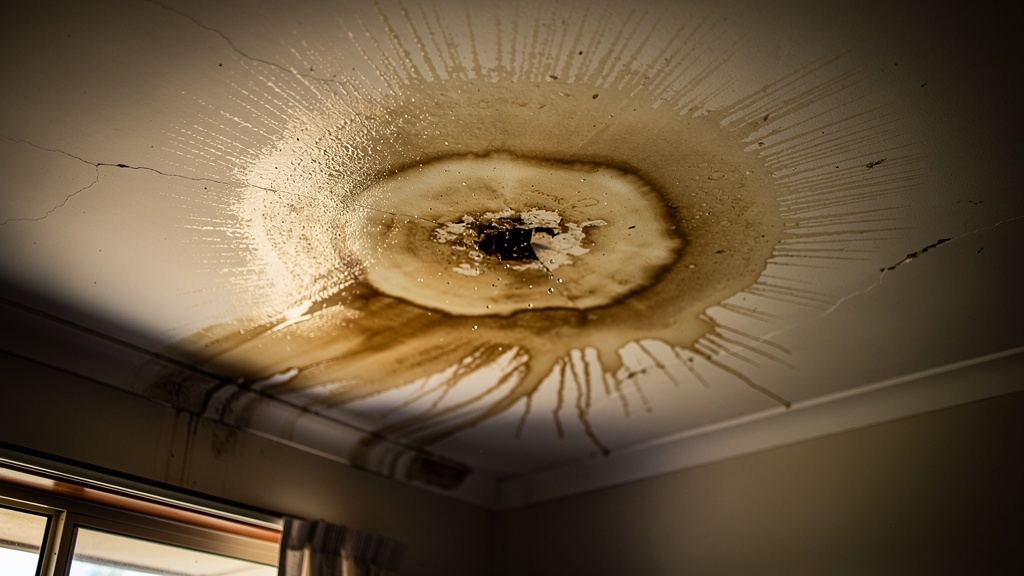
Roof leak repair cost on the Central Coast is a topic that comes up fast when water stains appear on your ceiling or you spot damage after a storm. Acting quickly is essential — a small roof leak left unattended can cause tens of thousands of dollars in structural damage, mould remediation and internal repair costs. This guide gives you real 2026 price data for the Central Coast region and explains what drives the cost of your repair.
How Much Does Roof Leak Repair Cost on the Central Coast?
Roof leak repair costs vary significantly depending on the cause, roof material, roof height and accessibility. Here is a realistic price guide for Central Coast NSW in 2026:
| Repair Type | Typical Cost (AUD) | Notes |
|---|---|---|
| Single cracked or broken tile replacement | $180 – $350 | Per tile including labour and mortar |
| Ridge capping rebed and reseal | $600 – $1,800 | Depends on length of ridge line |
| Valley iron replacement | $400 – $900 | Per valley section |
| Flashing repair (chimney, skylight, wall) | $350 – $900 | Per flashing point |
| Colorbond panel repair or replacement | $500 – $1,500 | Per damaged sheet or section |
| Roof penetration reseal (pipe, vent) | $200 – $450 | Per penetration |
| Gutter repair contributing to leak | $250 – $700 | Depends on gutter type and length affected |
| Emergency tarp/weatherproofing (storm response) | $350 – $800 | After-hours/storm callout rates apply |
| Roof inspection and leak detection | $150 – $350 | Usually credited to repair if you proceed |
These are indicative 2026 prices for the Central Coast. Complex jobs, difficult access or emergency callouts will increase costs. Storm-season demand (April–September) can also push prices higher as qualified roofers book out quickly.
What Causes Roof Leaks on Central Coast Homes?
Understanding the source of a roof leak helps your tradie give you an accurate quote and prevents the wrong repair being done. The most common causes of roof leaks on the Central Coast include:
Cracked or Slipped Roof Tiles
Terracotta and concrete tiles are the dominant roofing material across Central Coast residential homes. Tiles crack from impact (hail, falling branches), UV degradation over time, or physical movement from foot traffic during maintenance. Even one cracked tile can let in water during heavy rain, which then spreads through the roof cavity before appearing as a ceiling stain well away from the original source.
Failed Ridge Capping Mortar
Ridge capping runs along the apex of your roof and is traditionally bedded in mortar and pointed with flexible sealant. On the Central Coast, the combination of coastal winds, humidity and temperature cycling causes mortar to crack, crumble and allow water entry over time. Ridge capping failure is one of the most common causes of persistent roof leaks on homes built between 1970 and 2000.
Damaged or Displaced Flashing
Flashing is the metal (usually lead, aluminium or galvanised steel) installed around roof penetrations — chimneys, skylights, vents, dormer walls and roof-to-wall junctions. Flashing is vulnerable to corrosion, separation from sealant and wind uplift. Once flashing lifts or develops a gap, water finds its way in rapidly.
Blocked or Damaged Valleys
Roof valleys — the internal angles where two roof sections meet — handle the highest water flow on your roof. Valley iron can rust, crack or lift, and debris blocking the valley can cause water to back up and overflow into the roof cavity. Central Coast homes with large eucalyptus trees nearby are particularly vulnerable.
Storm Damage
The Central Coast experiences severe east coast low pressure systems, particularly between March and August. These storms generate damaging winds and intense localised rain that can lift tiles, snap branches onto roofs and overwhelm drainage. If your area has recently had a significant storm, a post-storm roof inspection is strongly recommended even if you have not noticed a leak yet — minor storm damage often only becomes apparent in the next heavy rain event.
How Do Roofers Find the Source of a Leak?
One of the trickiest aspects of roof leaks is that the source of entry and where water appears inside the home are often nowhere near each other. Water travels along roof timbers, sarking membrane and insulation before dripping through the ceiling. A qualified roofer uses:
- Visual inspection of tiles, ridge, valleys, flashing and gutters from the roof surface
- Water testing (controlled hose application to suspected areas)
- Internal roof cavity inspection with a torch to trace staining and moisture tracks
- Thermal imaging (available from specialist inspection companies) for difficult-to-trace leaks
Accurate leak detection is worth paying for. A $200–$350 inspection that correctly identifies the single source of a leak is far better than guessing and making $500–$900 repairs to the wrong area.
Does Home Insurance Cover Roof Leak Repairs on the Central Coast?
This is one of the most common questions we receive. The answer depends heavily on the cause:
- Storm damage: Generally covered under home and contents insurance, subject to your policy excess.
- Gradual deterioration: Generally NOT covered. Insurance is for sudden events, not maintenance failures.
- Pre-existing conditions: Not covered.
- Lack of maintenance: Can void a storm claim if the insurer determines the roof was already in poor condition.
If you suspect storm damage, document it with photos immediately and call your insurer before any repairs are carried out. A licensed roofing contractor can provide a written report of observed damage to support your claim.
How to Avoid Costly Roof Leak Repairs on the Central Coast
Prevention is always cheaper than repair. For Central Coast homeowners, the most cost-effective maintenance habits are:
- Annual or biannual professional roof inspection ($150–$350) — catches issues before they become expensive
- Keep gutters clean and valleys clear of debris — blocked gutters accelerate water damage and ridge mortar deterioration
- After any significant storm, do a visual check from ground level and book a professional inspection if anything looks displaced
- Check that any trades who go on your roof (antenna installers, solar panel crews, HVAC technicians) avoid cracking tiles with foot traffic — this is a common source of new leaks that appears months later
- Address failing ridge capping proactively rather than waiting for an active leak
On Time Tradie provides roof leak inspections and repairs across the Central Coast, including Gosford, Wyong, Terrigal, Woy Woy, The Entrance, Toukley, Avoca Beach and surrounding areas. Our licensed roofers respond quickly — often same day for active leaks — and provide written inspection reports and itemised quotes before starting any work.
For more context, see our guides on roofing services, plumbing services, and gutter repair and maintenance. You may also find value in our recent posts on roof and gutter maintenance for autumn 2026 and our emergency plumbing handbook.
External resources: the Australian Building Codes Board sets standards for roofing construction, and NSW Fair Trading maintains the register of licensed roofing contractors in your area.
Got a Roof Leak on the Central Coast?
On Time Tradie responds fast to roof leaks across the Central Coast. Licensed, insured, and usually on-site within 24–48 hours. Storm damage? We can help with your insurance report too.
Request a CallbackFrequently Asked Questions About Roof Leak Repairs on the Central Coast
How much does a roof leak repair cost on the Central Coast in 2026?
Roof leak repair costs on the Central Coast range from about $180 for a single tile replacement through to $1,800+ for ridge capping rebedding or complex flashing repairs. Most standard residential repairs fall between $350 and $900. Emergency or after-hours callouts attract higher rates.
How do I know if my roof is leaking or if it is condensation?
A roof leak tends to appear during or after rain and tracks down from a specific point. Condensation appears more broadly in cold weather across cold surfaces. If ceiling stains grow during rain events, suspect a roof leak. A professional inspection will confirm the source.
Will my home insurance cover a roof leak repair on the Central Coast?
Storm-caused sudden damage is generally covered by home insurance subject to your excess. Leaks caused by gradual deterioration, lack of maintenance or pre-existing conditions are typically not covered. Document storm damage with photos before calling your insurer.
How quickly does a roof leak need to be repaired?
Roof leaks should be repaired as soon as possible. Even a small leak, if left for weeks, can saturate insulation, cause timber rot, lead to mould growth in the ceiling cavity and eventually compromise internal plaster and wall frames. An emergency tarp is a valid short-term measure until a licensed roofer can attend.
Can I repair a roof leak myself on the Central Coast?
Minor repairs like resealing a roof penetration with appropriate roofing sealant are within a capable DIYer’s ability. However, working at height carries serious risk, and incorrect repairs can make the problem worse. For anything involving tiles, ridge capping, valley iron or flashing, hiring a licensed roofing contractor is strongly recommended.
What is the most common cause of roof leaks on Central Coast homes?
On the Central Coast, failed ridge capping mortar and cracked roof tiles are the most common causes of residential roof leaks, often exacerbated by storm events, coastal wind and the heavy leaf drop from surrounding eucalyptus trees blocking valleys and gutters.
How long does a roof leak repair take?
Most standard roof leak repairs on the Central Coast take 1–4 hours once a licensed roofer is on site. Complex jobs involving multiple failure points, internal damage assessment or flashing replacement may take a full day. An inspection is usually completed within an hour.