
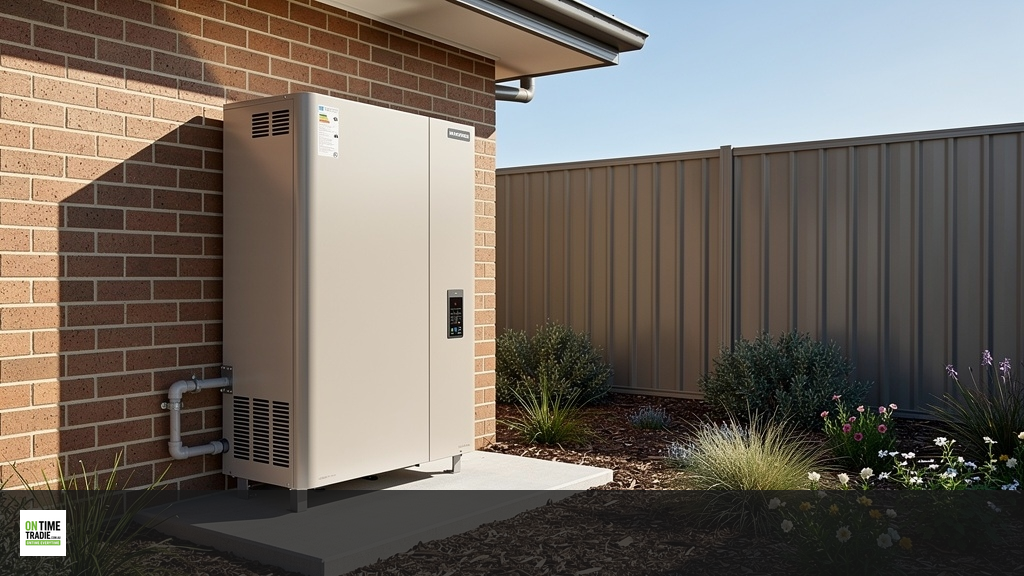
Choosing the right hot water system for your Central Coast home depends on your household size, energy source, budget, and long-term running cost goals. The wrong system can cost you hundreds of dollars more each year than necessary — and replacing it again in 8 years instead of 15.
Table of Contents
- What Types of Hot Water Systems Are Available?
- Hot Water System Cost Comparison (Central Coast 2026)
- Which Hot Water System Is Right for Your Household?
- NSW Government Rebates for Hot Water Systems
- Running Cost Comparison: Gas vs Electric vs Heat Pump
- Central Coast-Specific Tips
- Frequently Asked Questions
What Types of Hot Water Systems Are Available in Australia?
The four main types sold and installed on the Central Coast are electric storage, gas storage and instantaneous, heat pump, and solar hot water. Electric storage systems are still the most common in existing Central Coast homes — they’re reliable, affordable to purchase, and straightforward to maintain. Gas systems (both storage and continuous flow) are popular where natural gas is available, offering lower running costs than standard electric tariffs.
Heat pump systems are growing in popularity, particularly since NSW government incentive programs have made them more affordable upfront. Solar hot water systems remain a strong option for homes with north-facing roof space and without heavy tree shading. Each has a different cost-to-run profile, and the best choice depends on your specific situation.
Hot Water System Installation Costs — Central Coast 2026
| System Type | Supply + Install Cost (AUD) | Typical Lifespan | Annual Running Cost (est.) |
|---|---|---|---|
| Electric storage (250–315L) | $900 – $1,800 | 10–15 years | $700 – $1,200 |
| Gas storage (continuous pilot) | $1,100 – $2,200 | 10–12 years | $500 – $900 |
| Gas instantaneous (continuous flow) | $1,400 – $3,000 | 15–20 years | $400 – $750 |
| Heat pump (split or integrated) | $2,800 – $5,500 (after rebates: $1,500–$3,500) | 10–15 years | $250 – $450 |
| Solar hot water (evacuated tube) | $3,500 – $6,500 | 15–20 years | $150 – $350 (boosted) |
Supply and install costs are indicative ranges for licensed plumbers on the Central Coast. Individual quotes vary based on site access, existing pipework, and brand choice. Always confirm the callout fee before booking — most tradespeople charge between $60 and $100 during standard business hours, with after-hours rates typically $150–$300. Service fees vary between providers.
Which Hot Water System Is Right for Your Household?
For most Central Coast homes replacing an old electric storage system on a tight budget, a new electric storage unit is still the most practical short-term solution. They’re quick to install (often same-day), require no gas connection or roof modification, and quality units from Rheem or Dux carry solid warranties. If your home already has solar panels and you’re on a feed-in tariff, ask your electrician about a timer-controlled electric storage system that heats during the solar generation window — this can cut running costs dramatically.
For households with natural gas available (primarily in Gosford, Wyong, and newer estates), a continuous flow gas system is often the best balance of upfront cost and running efficiency. For households focused on long-term running costs and eligible for the NSW heat pump rebate, a heat pump system is worth the higher upfront investment — particularly if you’re on a time-of-use electricity tariff and can run the system during off-peak hours.
NSW Government Rebates for Hot Water Systems in 2026
The NSW Energy Savings Scheme (ESS) currently provides point-of-sale rebates for heat pump hot water systems that replace electric storage systems. In 2026, rebates through registered providers typically range from $500 to $1,400, reducing the effective purchase price of qualifying heat pump systems. The exact amount depends on your current system type, the replacement product, and the registered provider you use.
To access the rebate, the installation must be completed by a licensed plumber using a product on the approved list, and paperwork is handled at the point of sale or through the installer. Visit the NSW Energy Saver website for the current product list and approved retailers.
Gas vs Electric vs Heat Pump — Running Cost Reality Check
Running costs vary significantly between system types and between households. A family of four using a standard electric storage system on a general use tariff in the Central Coast will typically spend $700–$1,200 per year on hot water alone. The same family switching to a heat pump on an off-peak tariff can reduce that to $250–$450 — a saving of $400–$800 per year. Over the 10-year lifespan of the unit, that’s $4,000–$8,000 in energy savings before accounting for any increase in electricity prices.
Gas continuous flow systems sit in the middle for most households: lower running costs than electric storage, but gas prices on the Central Coast have risen significantly since 2023, narrowing the gap. If your home doesn’t already have a gas connection, the cost of running a gas line ($1,500–$4,000 depending on distance from the street main) typically makes gas uneconomical as a new installation when heat pump options are available with rebates.
Central Coast-Specific Tips for Choosing a Hot Water System
Solar hot water performance on the Central Coast is generally good — the region averages over 300 sunny days per year — but homes with north-facing roofs shaded by trees or neighbouring structures will need a larger backup element and will spend more on boosting. If you’re considering solar, get a site assessment before committing.
Heat pump systems work best in ambient temperatures above 5°C. Central Coast winters rarely drop below 5°C overnight, so heat pumps maintain good efficiency year-round, unlike alpine or tablelands locations. This makes the Central Coast a good climate for heat pump performance.
For hot water plumbing services across the Central Coast, On Time Tradie’s licensed plumbers can assess your existing system and provide honest recommendations. See our plumbing services page and local pages for Gosford hot water repairs and Wyong hot water repairs. We also cover Avoca Beach hot water and surrounding suburbs.
For more context: our earlier post on NSW hot water system rebates covers the ESS rebate program in detail, including which brands qualify.
Not Sure Which System Is Right for You?
Our licensed plumbers assess your home and give you a straight answer — no upselling, just honest advice for Central Coast homeowners.
Book a Free AssessmentFrequently Asked Questions
What is the best hot water system for a Central Coast home?
For most Central Coast households, a heat pump system offers the best long-term value if you’re eligible for the NSW ESS rebate. If upfront cost is the priority, a quality electric storage system from a reputable brand is reliable and easy to install. Gas continuous flow is good where gas is already connected. The right choice depends on your household size, budget, and existing infrastructure.
How much does it cost to replace a hot water system on the Central Coast?
Electric storage replacement typically costs $900–$1,800 installed. Gas continuous flow runs $1,400–$3,000. Heat pump systems cost $2,800–$5,500 before rebates, often $1,500–$3,500 after the NSW Energy Savings Scheme rebate. Prices depend on brand, size, and site conditions.
Are heat pump hot water systems worth it on the Central Coast?
Yes, generally. The Central Coast’s mild climate means heat pumps operate efficiently year-round (they need ambient temperatures above about 5°C to work well). Combined with available NSW rebates of $500–$1,400, the payback period for switching from electric storage can be as short as 3–5 years.
How long does a hot water system last?
Electric storage systems last 10–15 years on average. Gas systems last 10–20 years depending on type. Heat pumps last 10–15 years. Solar systems last 15–20 years for the collectors. Annual servicing extends lifespan — the anode rod in electric and gas storage systems should be inspected every 5 years.
Can I get a hot water system replaced the same day on the Central Coast?
For a standard electric storage replacement (same or similar tank size), same-day installation is often possible when units are in stock. Gas and heat pump replacements may take 1–2 days depending on stock availability and site requirements. Emergency hot water replacements are available from licensed plumbers across the Central Coast.
Does On Time Tradie install hot water systems on the Central Coast?
Yes. On Time Tradie’s licensed plumbers cover Gosford, Wyong, Avoca Beach, Woy Woy, Erina, and surrounding suburbs. We assess your existing system, recommend the right replacement, and handle the full installation including any plumbing modifications required.