
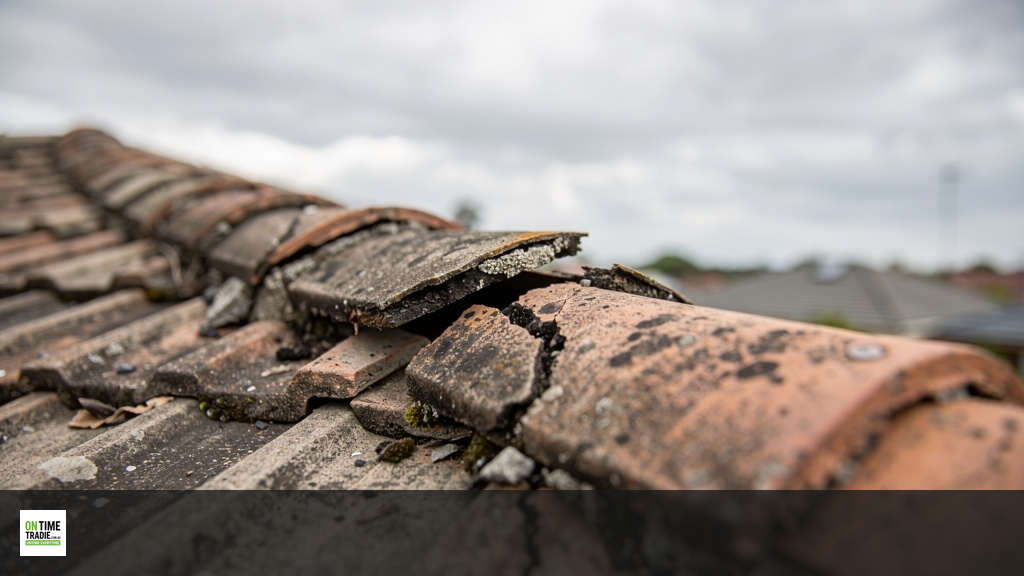
Roof leak repair in Sydney costs anywhere from $150 for a minor flashing fix to $3,500 or more for structural damage or widespread tile failure. The range is wide because “roof leak” covers dozens of different fault types — and the only way to know which one you’re dealing with is a proper inspection. This guide covers what drives the cost, what you can expect to pay for common repairs, and when patching is no longer the right call.
Table of Contents
- Roof Leak Repair Costs in Sydney
- What Drives the Price
- Common Causes of Roof Leaks
- When Repair Is Enough — and When It Isn’t
- What Happens During a Roof Leak Repair
- Insurance and Roof Leak Claims
- Frequently Asked Questions
Roof Leak Repair Costs in Sydney
Roof leak repair cost Sydney varies significantly by fault type, roof access difficulty, and materials required. The table below reflects typical market rates for licensed roofing contractors across metropolitan Sydney and the Central Coast.
| Repair Type | Typical Cost (Sydney) | Notes |
|---|---|---|
| Flashing repair (ridge, valley, chimney) | $150–$500 | Most common cause of leaks in pitched roofs |
| Replace broken/cracked tiles (1–5 tiles) | $200–$600 | Material + labour, depends on tile type |
| Re-bedding and re-pointing ridge capping | $500–$1,800 | Varies by linear metres and access |
| Valley repair (metal or mortar) | $400–$1,200 | Valleys collect debris and crack over time |
| Skylight re-seal or replacement | $300–$900 | Re-seal cheaper; frame replacement higher |
| Colorbond or metal roof repair | $300–$1,500 | Depends on extent of rust or panel damage |
| Sarking or underliner repair | $600–$2,500 | Requires tile removal; labour-intensive |
| Structural or extensive tile replacement | $1,500–$3,500+ | Multiple failed tiles, batten damage |
Most licensed roofers on the Central Coast and in Sydney charge $60–$100 during business hours for a callout, with labour charged on top. After-hours and weekend rates typically run $150–$300. Always confirm the callout fee before booking — service fees vary between providers.
What Drives the Price
1. Fault Type
A flashing repair is fundamentally different from replacing 30 cracked tiles or relining a valley. The fault type determines materials, time, and whether scaffolding is needed. This is why the same “water stain on ceiling” can produce quotes ranging from $200 to $4,000 — it depends entirely on what the roofer finds when they get up there.
2. Roof Access and Height
A single-storey brick veneer in Penrith is a lot easier to access than a double-storey terrace in Balmain or a steeply pitched Federation roof in Leichhardt. Scaffolding adds $500–$1,500 to any job that requires it. Safety regulations in NSW require scaffolding for sustained work on roofs above 3 metres — this is not optional, and any contractor who skips it is cutting a compliance corner that may affect your insurance.
3. Roof Age and Tile Condition
Roofs over 20–25 years old often have brittle pointing, degraded sarking, and tiles that crack when walked on. Repairs on these roofs take longer, cause more collateral breakage, and sometimes reveal secondary problems that weren’t visible from the ground. It’s worth factoring this in when comparing quotes — a cheap repair on an ageing roof may just delay the same problem by 12 months.
4. How Long the Leak Has Been Running
A fresh leak caught early may cost $200–$400 to fix. The same leak, left for a year, may have saturated the sarking, rotted a batten, and caused mould in the ceiling cavity — turning a $300 repair into a $2,000+ job. The most expensive roof repairs in Sydney are almost always the result of delayed action, not the initial fault itself.
Common Causes of Roof Leaks
Failed Flashing
Flashing is the metal strip that seals the joins between roof sections — around chimneys, at valleys, along parapets, and where the roof meets a wall. It’s the most common source of leaks on Sydney roofs. Over time, flashing lifts, cracks, or corrodes. In older homes, the original flashing may have been lead or galvanised steel that has simply reached the end of its life. Repairs are generally straightforward and cost-effective when caught early.
Cracked or Slipped Tiles
Terracotta and concrete tiles can crack from thermal expansion, hail, fallen branches, or just age. A cracked tile doesn’t always cause an immediate leak — the sarking underneath provides a secondary barrier. But once the sarking is saturated or punctured, water moves quickly through to the ceiling. Storm damage repairs are typically covered by home insurance if the cause was sudden and storm-related — see the insurance section below. Our team also handles roof restoration and re-tiling for roofs where individual repairs no longer make sense.
Degraded Ridge Capping
Ridge capping sits along the peak of a pitched roof and is held in place with mortar bed (bedding) and a surface coating (pointing). In Sydney’s climate — UV, heat, rain, and temperature swings — this mortar typically lasts 15–20 years before cracking and lifting. Failed ridge capping is a common cause of water entry in homes built before 2000. Re-bedding and re-pointing the entire ridge is usually more cost-effective than patching individual sections.
Blocked or Damaged Gutters and Valleys
Valleys — the channels where two roof planes meet — collect leaves, debris, and water. When they block or crack, water pools and finds its way under the tiles. Colorbond valleys and lead valleys both degrade over time. Keeping gutters and valleys clear is the single cheapest thing you can do to reduce roof leak risk. Our gutter and roof maintenance guide covers what to check each season. We also handle Colorbond and tile roof comparisons if you’re thinking longer term.
Skylight and Penetration Leaks
Every penetration through a roof — skylights, vent pipes, solar mounts, air conditioning units — is a potential leak point. The seals around these fittings degrade with UV and heat. Skylight leaks are commonly mistaken for condensation. If you see water appearing after heavy rain rather than temperature changes, it’s a seal failure — not condensation — and needs a proper repair.
When Repair Is Enough — and When It Isn’t
A targeted repair is appropriate when:
- The fault is isolated — one cracked tile, failed flashing at a single penetration, a small section of lifted pointing
- The roof is under 20 years old and in otherwise good condition
- The surrounding structure (battens, sarking) is intact and dry
- The rest of the roof has been inspected and no other faults identified
A full roof inspection is worthwhile before committing to a repair if your roof is over 20 years old or has had repeated leaks. The inspection may reveal that what looks like a single fault is actually a symptom of broader deterioration — and that a targeted repair will only fix the immediate leak while the underlying problem continues. According to the Housing Industry Association, most tiled roofs in Australia have a service life of 40–50 years, with significant maintenance costs in the final decade before replacement.
Replace rather than repair when:
- Multiple tiles are cracking or slipping across the whole roof surface
- Ridge capping has failed across more than 50% of the ridge length
- Sarking or battens are rotten in multiple locations
- The total repair quote exceeds 30–40% of the cost of a full re-roof
- You’ve had more than two leak repairs in the past 3 years
What Happens During a Roof Leak Repair
A proper roof leak repair by a licensed roofing contractor follows this sequence:
- Inspection: The roofer accesses the roof and inspects the area near the water entry point, plus the ridge capping, valleys, and all penetrations. The fault isn’t always directly above the water stain — water can travel along battens before dripping through
- Diagnosis: The cause is identified and photographed. A good contractor will show you photos before proceeding
- Quote: You receive a written quote covering materials, labour, and any access requirements (scaffolding, working at heights safety gear). For non-emergency repairs, this should be provided before work starts
- Repair: The specific fault is repaired. No good contractor will fix “while they’re up there” without your approval for each additional item
- Test: Where possible, the repair is water-tested with a hose before the roofer leaves
- Documentation: You receive a receipt and, where relevant, a copy of any compliance documentation
Insurance and Roof Leak Claims
Whether a roof leak repair is covered by home insurance depends on the cause:
| Cause | Typically Covered? | Notes |
|---|---|---|
| Sudden storm damage (hail, wind, fallen tree) | Usually yes | Must be sudden event — not pre-existing wear |
| Gradual wear and deterioration | No | Maintenance items are homeowner responsibility |
| Failed flashing (age-related) | No | Normal wear — not a sudden event |
| Storm-caused tile displacement | Usually yes | Document with photos and weather reports |
| Consequential damage (damaged ceiling, mould) | Sometimes | Depends on policy and cause of original leak |
If you’re lodging an insurance claim, photograph the damage from both inside and outside before any repair work begins. Keep all repair quotes and invoices. Your insurer may require a licensed contractor’s assessment before approving a claim — not just a repair receipt. For a detailed breakdown of what insurers typically look for in roof claims, see our home maintenance and insurance guide. If you have a service question, visit ontime tradie contact us for support.
Roof Leak? Get a Straight Answer and a Fixed Quote.
Licensed roofers across Sydney, Central Coast and Newcastle. We inspect, quote, and repair in the same visit where possible — no return trips, no hidden fees.
Request a CallbackFrequently Asked Questions
How much does roof leak repair cost in Sydney?
Most roof leak repairs in Sydney cost between $150 and $1,500 for common faults like cracked tiles, failed flashing, or degraded ridge capping. Structural damage, extensive tile failure, or problems requiring scaffolding can push costs to $2,000–$3,500 or more. The exact cost depends on fault type, roof access, and materials — you won’t get an accurate number until a roofer inspects the actual fault.
Can I patch a roof leak myself?
Temporary measures like roof patching tape or sealant can limit water entry in an emergency, but they aren’t permanent fixes. In NSW, working at heights over 3 metres without appropriate safety equipment and training is a serious safety risk. Roofing work is also licensed trade work for insurance purposes — unlicensed repairs may affect your ability to claim later. The right call is a temporary patch as a stop-gap, followed by a licensed repair as soon as possible.
How long does a roof leak repair take?
Most targeted repairs — replacing a few tiles, re-sealing flashing, fixing a valley — take 1–3 hours. Re-bedding and re-pointing a full ridge line on a standard Sydney home typically takes 4–8 hours. Larger repairs requiring scaffolding setup will add half a day for access alone.
Will a roof leak repair be covered by my home insurance?
It depends on the cause. Storm damage — hail, high winds, fallen trees — is typically covered under building insurance. Gradual wear, failed pointing, and age-related flashing failure are maintenance items and are generally not covered. Photograph damage before any repair work, and contact your insurer before authorising significant repairs if you intend to claim.
What’s the difference between a roof repair and a roof restoration?
A repair fixes a specific fault — a cracked tile, a failed flashing, a leaking valley. A restoration is a whole-of-roof treatment — cleaning, re-bedding the ridge, re-pointing, and applying a protective coating across the entire roof surface. Restoration makes sense when the roof is ageing but structurally sound. If you’re unsure which your roof needs, a proper inspection will tell you. See our roof restoration cost guide for the full comparison.
Does On Time Tradie cover all of Sydney for roof leak repairs?
Yes. Our roofing team covers all of metropolitan Sydney, the Central Coast, and Newcastle. Same-week bookings for most repair jobs — emergency roof repairs available within 24 hours where possible. Call or request a callback and we’ll schedule an inspection.
