
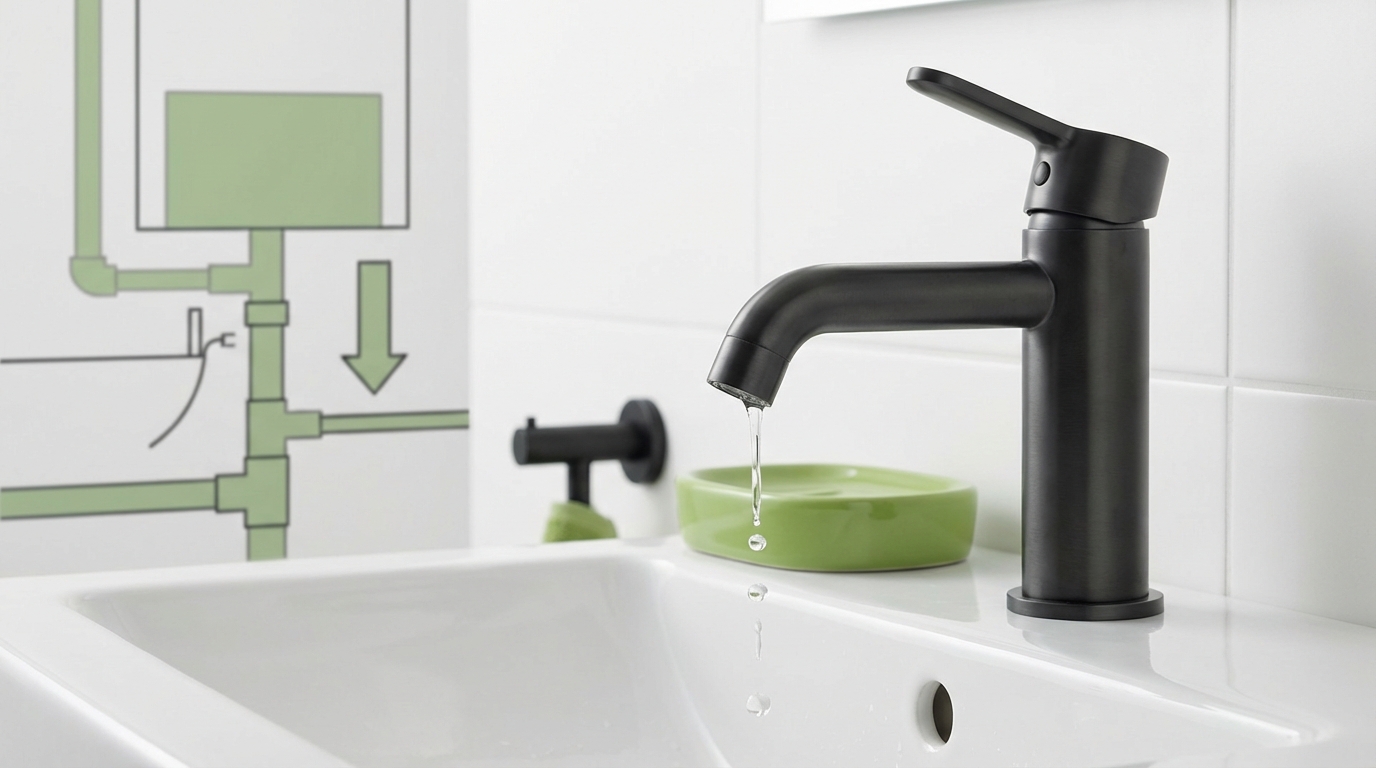
Your shower barely trickles out enough water to rinse shampoo from your hair. The kitchen tap takes forever to fill a pot. Upstairs taps run weak while downstairs works fine. Low water pressure is not just frustrating. It usually means something is wrong with your plumbing system.
For Sydney homeowners, low water pressure ranks among the top three most-searched plumbing problems. Yet most people have no idea what causes it or whether they need a plumber, a new valve, or just a phone call to Sydney Water. The answer matters because ignoring pressure issues can mask expensive leaks, corroded pipes, or supply problems that will only get worse.
This April, as Sydney heads into autumn and we start relying more on hot water systems and indoor plumbing, it is the perfect time to diagnose what is really behind your pressure problems before winter demand reveals bigger issues. Whether it is a faulty valve you can check yourself, corroded pipes from an older home, or a Sydney Water supply issue, this guide walks you through the five most common causes and exactly when to call a licensed plumber.
Why Low Water Pressure Is More Than Just a Shower Annoyance
Weak water pressure does not just make your morning routine frustrating. It is often a symptom of underlying plumbing issues that, left unchecked, can lead to expensive damage or system failures.
Low water pressure really signals:
- Hidden leaks somewhere in your supply line, wasting water and potentially damaging walls, floors, or foundations
- Corroded pipes reducing flow capacity and contaminating your water supply
- Faulty pressure regulation that is either failing to boost supply or restricting it unnecessarily
- Supply issues from Sydney Water that might qualify you for rebates or emergency repairs
- Aging hot water systems struggling to deliver consistent temperature and flow
Sydney homes built before 1990 are especially vulnerable. Many still have original galvanized steel or early copper piping that corrodes from the inside out over decades. By the time you notice the pressure drop, the buildup inside those pipes has already reduced their diameter by 30 to 50 percent.
Cause 1: Faulty or Old Pressure Reduction Valve (PRV)
What Is a PRV and What Does It Do?
A pressure reduction valve (PRV) is a bell-shaped device usually installed on your main water line where it enters your property. Its job is simple: regulate the incoming water pressure from Sydney Water mains (which can be 500 to 800 kPa) down to a safe level for your home plumbing (around 350 to 500 kPa).
Without a PRV, excessive pressure damages fixtures, causes leaks, and wears out appliances like dishwashers and washing machines. But when a PRV fails or gets too old, it can restrict pressure too much or fail to regulate it at all.
How to Check If Your PRV Is the Problem
- Locate your PRV (usually near the water meter or where the main line enters your home)
- Check the adjustment screw. If someone adjusted it recently, it might be set too low
- Look for corrosion, leaks, or damage on the valve body
- Test pressure at multiple taps. If all fixtures have low pressure, the PRV is a likely suspect
- Note the age. PRVs typically last 10 to 15 years. Older units often fail gradually
If you suspect your PRV is faulty, do not adjust it yourself unless you know exactly what you are doing. Over-adjusting can spike pressure to dangerous levels, causing burst pipes or fixture damage. A licensed plumber can test, adjust, or replace the valve safely.
Cause 2: Partially Closed Shut-Off Valves
This is the easiest cause to check and fix yourself. Every home has shut-off valves at the water meter and individual fixtures. If one is partially closed (sometimes after maintenance or repairs), it restricts flow and creates low pressure downstream.
How to Check Your Shut-Off Valves
- Main shut-off valve: Located at your water meter, check if it is fully open (handle parallel to the pipe)
- Hot water shut-off: Check the valve leading into your hot water system
- Fixture isolation valves: Under sinks, behind toilets. Make sure they are fully open
- Gate valves vs ball valves: Gate valves (round handle, turn multiple times) can fail partially closed. Ball valves (lever handle) are either fully open or closed
If you find a partially closed valve, open it fully and test your pressure. This simple fix solves the problem more often than you would expect, especially after recent plumbing work where valves were closed and not fully reopened.
Cause 3: Corroded or Scaled Pipes — Especially in Older Homes
Sydney older suburbs like Balmain, Newtown, Marrickville, and Leichhardt are filled with beautiful character homes built between 1900 and 1980. Many still have original plumbing: galvanized steel or early copper pipes that have been corroding from the inside for decades.
Why Pipe Corrosion Causes Low Pressure
As pipes age, mineral deposits and rust build up on the interior walls, gradually narrowing the pipe diameter. A pipe that started at 20mm might effectively be 10 to 12mm after 50 years of buildup. That is a massive reduction in flow capacity and you feel it as weak pressure at every tap.
Signs Your Pipes Are Corroded
- Discolored water (brown, rusty, or cloudy) especially first thing in the morning
- Low pressure at ALL fixtures throughout the home
- Inconsistent pressure. Some taps work fine, others do not
- Your home was built before 1980 and plumbing has not been replaced
- Visible corrosion on exposed pipes in the basement or under sinks
Unfortunately, corroded pipes cannot be cleaned effectively. Chemical treatments do not work, and flushing only provides temporary relief. The only real solution is repiping: replacing old pipes with modern PEX or copper.
Cost expectations: Full repipe for a standard Sydney home runs 8,000 to 18,000 dollars depending on size and access. Yes, it is a significant investment. But it also solves pressure issues permanently, improves water quality, adds value to your property, and prevents catastrophic burst pipe emergencies.
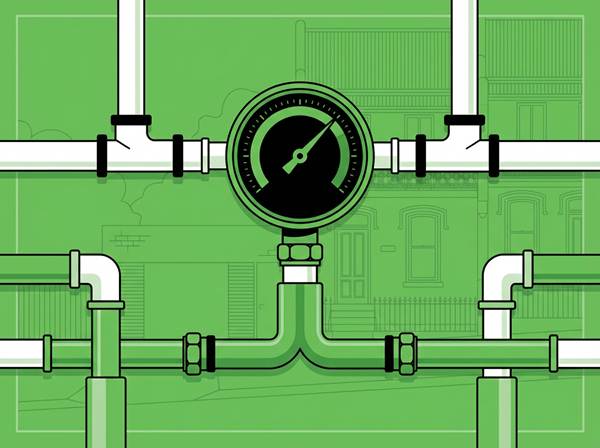
Cause 4: Water Supplier / Street Pressure Issue
Sometimes the problem is not your plumbing at all. It is the supply from Sydney Water. Street pressure issues can result from mains breaks, maintenance work, aging infrastructure, or peak-demand periods in your area.
How to Tell If It Is a Sydney Water Problem
- All your neighbors have low pressure at the same time
- Pressure drops during peak times (morning, evening) but improves overnight
- Sydney Water has notified you of planned work or maintenance in your area
- You have checked all your internal plumbing and everything looks fine
- The problem started suddenly without any changes to your home plumbing
What to Do: Reporting to Sydney Water
- Call Sydney Water on 1300 143 734 to report low pressure
- Provide your address and describe when the problem occurs
- Ask if there is scheduled work or known issues in your area
- Request a pressure test if the problem persists
- Check if you are eligible for a rebate. Sydney Water provides rebates for extended low-pressure periods
Sydney Water is required to maintain minimum pressure of 150 kPa at your property boundary. If they cannot, and the issue is on their side, they are responsible for fixing it and you may qualify for compensation.
Cause 5: Leaks in the Supply Line
A hidden leak anywhere between your water meter and your fixtures steals pressure before it reaches your taps. Worse, you are paying for water that is draining into your walls, under your slab, or into your yard.
Signs You Have a Hidden Leak
- Your water bill has spiked without explanation
- You hear running water when all taps are off
- Damp spots on walls, ceilings, or floors
- Your water meter keeps spinning even when nothing is running
- Mold or mildew smells inside the home
- Unusually green or soggy patches in your yard
Licensed plumbers use advanced leak detection technology: acoustic sensors, thermal imaging, and pressure testing to pinpoint leaks without tearing up walls or floors unnecessarily. Ontime Tradie leak detection service uses non-invasive tools to find problems fast and fix them properly.
When to DIY vs When to Call a Licensed Plumber
Not every low water pressure problem requires a plumber. Some are simple enough for confident homeowners to check. But knowing when to call a professional prevents expensive mistakes and wasted time.
You Can DIY:
- Check and fully open shut-off valves at the meter and fixtures
- Clean aerators on taps and showerheads (mineral buildup reduces flow)
- Test water pressure with a gauge (available at hardware stores for 15 to 25 dollars)
- Confirm neighbors have normal pressure (rules out Sydney Water issues)
- Check for obvious leaks under sinks or around the hot water system
Call a Licensed Plumber When:
- You suspect corroded pipes (discolored water, home built before 1980)
- The PRV needs adjustment, testing, or replacement
- You have found a hidden leak or suspect one based on your water bill
- Low pressure affects the entire home and you cannot identify the cause
- You need a formal pressure test for insurance or property sale purposes
- Hot water pressure is low but cold water is fine (indicates hot water system issues)
What Happens During a Water Pressure Diagnosis with Ontime Tradie
If you are calling a professional to diagnose low water pressure, here is exactly what to expect from a licensed plumber like Ontime Tradie:
- Initial phone assessment: We ask targeted questions to narrow down likely causes before we arrive
- Pressure testing : Using calibrated gauges, we measure pressure at multiple points: meter, main line, hot water system, individual fixtures
- Visual inspection: Check PRV, shut-off valves, visible pipes, meter reading, and hot water system
- Leak detection (if needed): Use acoustic and thermal tools to find hidden leaks without invasive exploratory work
- Clear diagnosis: We explain what is wrong, why it is happening, and what your options are
- Upfront pricing: You get a transparent quote before any repair work starts. No surprises
- Professional repair: Licensed, insured work with a warranty on parts and labor
Ontime Tradie operates 24/7 across Sydney, Central Coast, and Newcastle. If your low pressure is part of an emergency (burst pipe, major leak), we prioritize your call and aim for a 90-minute response time.
Fixing vs Replacing Pipes: Cost Expectations for Sydney Homeowners
Once you have diagnosed the cause, the next question is cost. Here is what Sydney homeowners can expect to pay in 2026:
Typical Repair Costs
| Repair / Service | Estimated Cost (Sydney 2026) |
| PRV adjustment or replacement | 280 to 650 dollars |
| Leak detection service | 180 to 450 dollars |
| Single pipe leak repair | 220 to 600 dollars |
| Tap/fixture aerator cleaning (DIY) | 0 to 15 dollars |
| Hot water system pressure valve replacement | 180 to 380 dollars |
| Full home repipe (standard 3-bed) | 8,000 to 18,000 dollars |
| Water pressure diagnosis (no repair) | 150 to 280 dollars |
Repiping is the most expensive option, but it is often the only permanent solution for homes with widespread corrosion. Consider repiping if:
- Your home was built before 1980 and still has original plumbing
- You have discolored water and low pressure throughout
- You have had multiple pipe leaks in recent years
- You are renovating and walls/floors are already opened up
- You are planning to sell and want to maximize property value
Ontime Tradie provides free quotes for repiping projects. We will assess your home, explain your options, and give you a detailed, fixed-price quote with no hidden fees.
Take Action: Book a Same-Day Plumbing Diagnosis
Low water pressure is not something you should live with and it is not something you should ignore. Whether it is a faulty valve, corroded pipes, a hidden leak, or a Sydney Water supply issue, identifying the cause now prevents bigger problems and higher costs down the line.
This autumn, before winter puts extra demand on your hot water system and indoor plumbing, take 15 minutes to check your shut-off valves, test your pressure, and rule out simple fixes. If the problem persists or if you suspect corroded pipes, leaks, or PRV failure, call a licensed plumber who can diagnose and fix it properly.
Ontime Tradie licensed plumbers are available 24/7 across Sydney, Central Coast, and Newcastle. We provide transparent pricing, same-day service, and a lifetime warranty on our workmanship. Do not let weak water pressure ruin your daily routine or hide a bigger plumbing issue.
Call 0488 822 795 or book online for a same-day water pressure diagnosis.
