
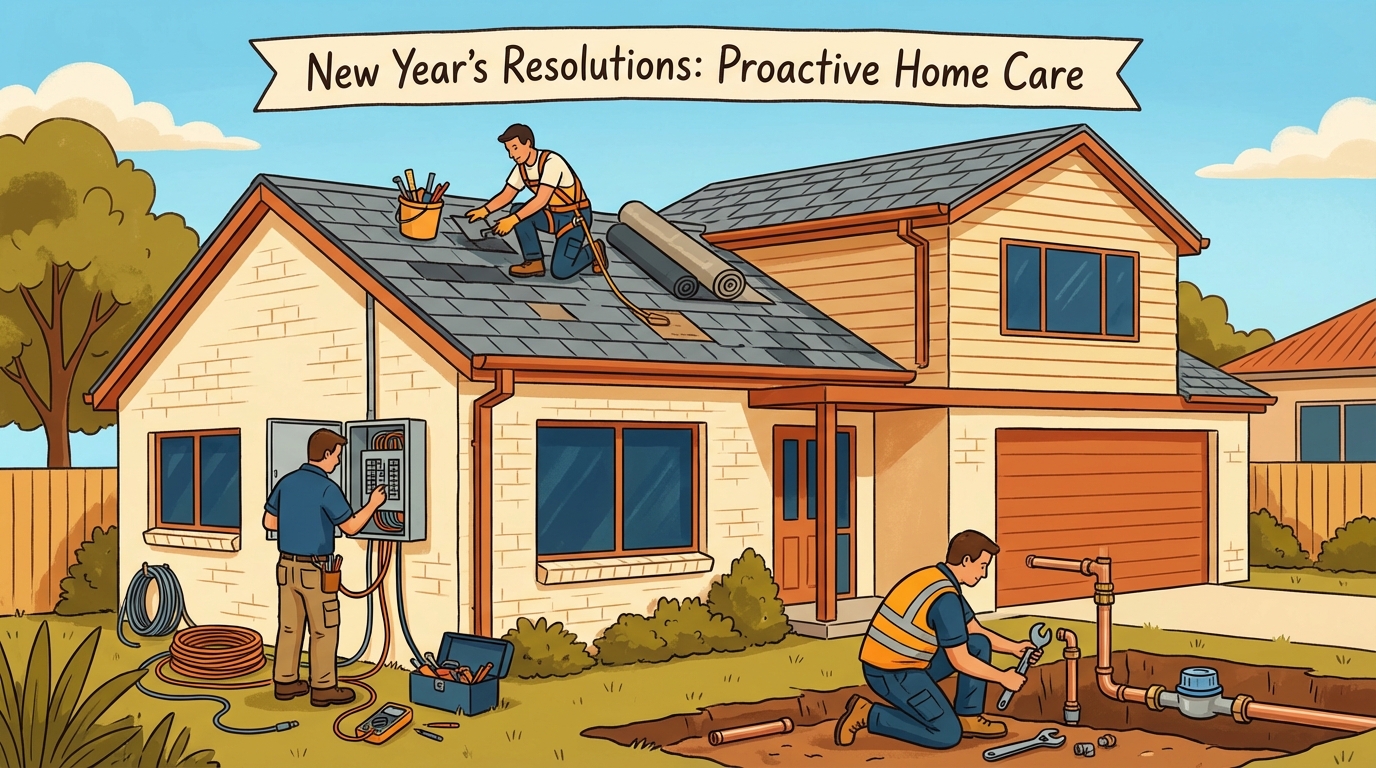
As we welcome 2026, there’s no better time to give your Sydney home the attention it deserves. New Year resolutions aren’t just for personal goals—they’re the perfect opportunity to establish a comprehensive home maintenance routine that protects your property investment and prevents costly emergency repairs down the track.
Sydney homeowners face unique challenges during the summer months: scorching temperatures, increased humidity, and the occasional severe storm can wreak havoc on plumbing systems, electrical infrastructure, and roofing. Whether you’re in Sydney’s bustling suburbs, the scenic Central Coast, or Newcastle’s coastal areas, starting the year with a thorough maintenance checklist ensures your home remains safe, efficient, and valuable throughout 2026.
This comprehensive guide covers everything you need to know about New Year home maintenance, with expert insights from Ontime Tradie’s licensed professionals who’ve serviced thousands of Sydney homes. We’ll walk you through essential plumbing checks, critical electrical safety inspections, and roof maintenance tasks that every homeowner should prioritize. Let’s make 2026 the year your home receives the care it needs.
Why New Year is the Perfect Time for Home Maintenance
The Psychology of Fresh Starts
January represents a clean slate—a time when motivation runs high and establishing new routines feels natural. Linking home maintenance to your New Year resolutions creates a powerful mental trigger that makes it easier to stick with preventative care throughout the year. When you start 2026 with a comprehensive home inspection, you’re not just fixing problems; you’re investing in peace of mind.
Summer Timing Advantages for Sydney Homes
Unlike many parts of the world, Sydney homeowners have a strategic advantage: January falls during summer, making it ideal for outdoor maintenance tasks. Roof inspections are safer in dry conditions, external plumbing work is more comfortable, and electrical installations won’t be hampered by rain. Plus, addressing issues before the peak summer heat intensifies prevents system failures when you need your home systems most.
Preventing Peak Season Emergencies
Emergency tradies cost significantly more than preventative maintenance. By conducting thorough checks in early January, you avoid the rush of summer breakdowns when blocked drains, air conditioning failures, and electrical overloads spike. Smart homeowners know that an hour of prevention in January saves days of disruption in February and March.
Essential Plumbing Maintenance Checklist for 2026
Hot Water System Inspection
Your hot water system works overtime during winter, and by January, it needs attention. Check for:
- Unusual noises (rumbling or banging indicates sediment buildup)
- Water temperature inconsistencies
- Visible corrosion or rust around connections
- Pressure relief valve functionality
- Tank age (most units need replacement after 10-15 years)
Professional tip: Flushing your hot water tank annually removes sediment that reduces efficiency and shortens lifespan. This simple task can extend your system’s life by years and reduce energy bills.
Drain and Pipe Inspection
Sydney’s summer storms can reveal drainage issues you didn’t know existed. January is the perfect time to:
- Test all indoor drains for slow drainage
- Inspect exposed pipes for leaks or corrosion
- Check outdoor drainage systems and stormwater drains
- Schedule CCTV drain camera inspection for hidden blockages
- Clear tree roots before they cause major blockages
Modern CCTV technology allows licensed plumbers to identify issues before they become emergencies. This non-invasive inspection method has revolutionized preventative maintenance, saving homeowners thousands in potential damage.
Tap and Fixture Check
Dripping taps aren’t just annoying—they’re expensive. A single dripping tap can waste over 20,000 litres of water annually. Check every tap, showerhead, and fixture for:
- Drips or continuous running water
- Reduced water pressure
- Loose handles or connections
- Staining indicating mineral buildup
- Outdated fixtures that reduce efficiency
Replacing worn washers or upgrading to water-efficient fixtures pays for itself through reduced water bills and prevents the water damage that leaking fixtures can cause to cabinetry and flooring.
Toilet Functionality
Toilets account for nearly 30% of household water use. Ensure efficient operation by:
- Checking for phantom flushes (toilet runs randomly)
- Testing flush mechanisms for proper operation
- Inspecting seals around the base for leaks
- Ensuring fill valves shut off properly
- Replacing worn flappers and fill valves
A running toilet can waste up to 200 litres of water daily. This simple check could save hundreds of dollars on your next water bill.
Critical Electrical Safety Checks for Sydney Homes
Switchboard and Circuit Breaker Inspection
Your switchboard is your home’s electrical command center. January inspections should include:
- Visual inspection for burn marks or discoloration
- Testing all circuit breakers for proper operation
- Checking for warm breakers (indicates overloading)
- Verifying proper labeling of all circuits
- Assessing switchboard age (pre-1990s models need upgrading)
Older switchboards with ceramic fuses are fire hazards. Upgrading to modern circuit breakers with safety switches is one of the most important electrical improvements you can make.
Safety Switch Testing
Safety switches (RCDs) are mandatory in Australian homes and save lives by detecting electrical faults. Test them quarterly by:
- Pressing the test button on each safety switch
- Ensuring power cuts immediately (within 0.03 seconds)
- Having non-functioning switches replaced immediately
- Verifying all circuits are protected
Never skip this test. A faulty safety switch won’t protect your family from electrocution if an appliance develops a fault.
Power Point and Outlet Inspection
Damaged outlets cause fires. Check every power point in your home for:
- Loose or cracked covers
- Scorch marks indicating arcing
- Outlets that feel warm to touch
- Plugs that don’t fit securely
- Outdated two-prong outlets
Modern Australian homes should have three-prong outlets with built-in safety features. If your home still has old two-prong outlets, prioritize upgrading them.
Lighting and Fixture Check
Flickering lights indicate serious problems. Inspect:
- All light fixtures for loose connections
- Flickering or dimming lights
- Outdated fixtures with exposed wiring
- Bathroom and outdoor fixtures for weatherproofing
- Energy efficiency of bulbs and fixtures
Upgrading to LED lighting reduces fire risk while cutting electricity costs by up to 75%. It’s a maintenance task that literally pays for itself.
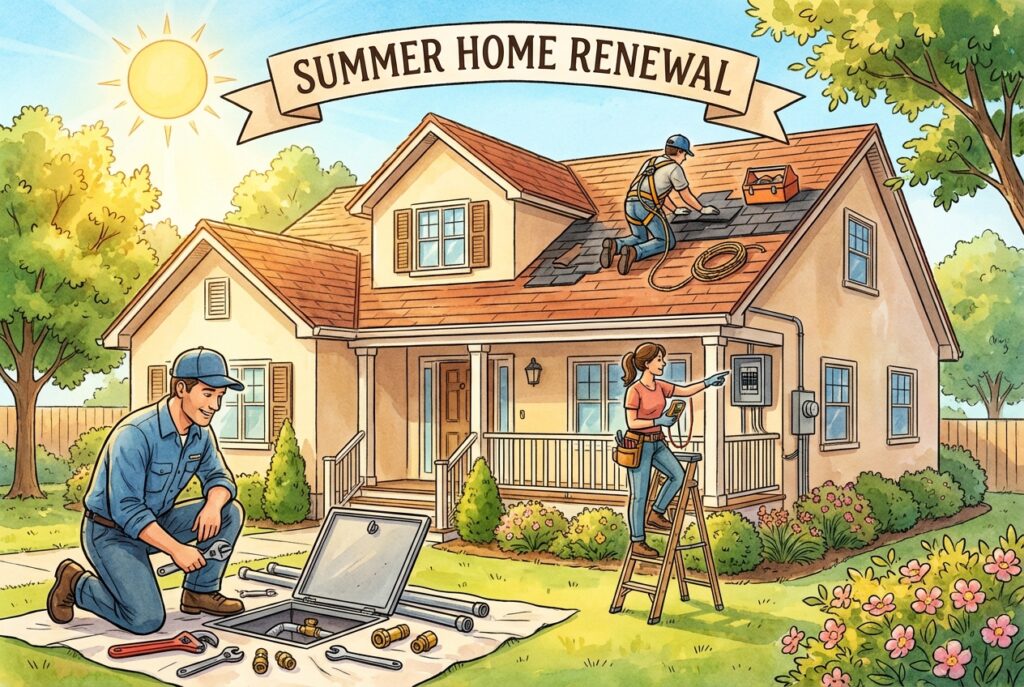
Comprehensive Roof Maintenance Guide
Visual Roof Inspection
Sydney’s summer sun and occasional storms take their toll on roofing. From the ground and safely from a ladder, check for:
• Missing, cracked, or curling tiles or shingles
• Damaged or rusty roof flashing
• Sagging or uneven roof lines
• Moss, algae, or debris accumulation
• Damaged ridge capping
Never walk on your roof without professional training. Hire a licensed roofer for detailed inspections—it’s safer and more thorough.
Gutter and Downpipe Cleaning
January is prime time for gutter maintenance before Sydney’s intense summer storms. Clean, functional gutters prevent:
• Water damage to walls and foundations
• Pest infestations (mosquitoes breed in standing water)
• Roof deterioration from pooling water
• Basement or crawl space flooding
Professional gutter cleaning includes flushing downpipes to ensure water flows away from your foundation. This service typically costs $150-350 but prevents thousands in water damage.
Roof Leak Detection
Don’t wait for water stains to appear on ceilings. Proactive leak detection includes:
• Inspecting attic spaces for daylight through roof
• Checking for water stains on roof decking
• Examining areas around chimneys and vents
• Testing roof penetrations (satellite dishes, plumbing vents)
• Thermal imaging to detect hidden moisture
Modern thermal imaging cameras detect moisture you can’t see, catching leaks before they cause major damage. Many roofing companies offer this service during inspections.
Ventilation System Check
Proper roof ventilation extends roof life and reduces energy costs. Ensure:
• Ridge vents are unobstructed
• Soffit vents allow airflow
• Whirlybirds spin freely
• Attic fans operate correctly
• No insulation blocks ventilation paths
Good ventilation prevents heat buildup that degrades roofing materials and makes your home uncomfortably hot. It’s especially critical for Sydney’s summer heat.
Additional New Year Home Maintenance Tasks
HVAC System Service
Before summer heat peaks, service your air conditioning system. Professional maintenance includes cleaning filters, checking refrigerant levels, inspecting electrical connections, and ensuring optimal efficiency. A well-maintained system uses 15% less energy.
Smoke Alarm Testing
Test all smoke alarms monthly and replace batteries annually. NSW legislation requires photoelectric smoke alarms in all bedrooms, hallways, and levels. Non-compliance risks insurance claims being denied.
Window and Door Seals
Check weatherstripping and caulking around windows and doors. Damaged seals let conditioned air escape, increasing energy bills by up to 30%. Replace worn seals to improve comfort and efficiency.
Outdoor Faucet and Irrigation Check
Test outdoor taps and irrigation systems for leaks or damage. Sydney’s water restrictions make efficient outdoor water use essential. Repair leaks immediately and consider upgrading to smart irrigation controllers.
When to Call Professional Tradies
DIY vs. Professional Maintenance
While homeowners can handle basic checks, licensed tradies should perform:
• All electrical work (legally required in NSW)
• Gas plumbing and hot water system repairs
• Roof work requiring walking on the roof
• Major drain blockages requiring professional equipment
• Switchboard upgrades and safety switch installations
Attempting electrical or complex plumbing work yourself risks injury, property damage, and insurance issues. Always hire licensed, insured professionals.
Choosing the Right Sydney Tradie
Look for these qualities when selecting maintenance professionals:
✓ Valid NSW licenses and insurance
✓ Upfront pricing with no hidden fees
✓ 24/7 emergency availability
✓ Lifetime warranties on workmanship
✓ Modern diagnostic equipment (CCTV cameras, thermal imaging)
✓ Professional communication and punctuality
✓ Positive reviews from local customers
Ontime Tradie meets all these criteria, serving Sydney, Central Coast, and Newcastle with comprehensive plumbing, electrical, and roofing services.
Cost-Saving Benefits of Preventative Maintenance
Preventative maintenance isn’t an expense—it’s an investment that pays dividends:
Immediate Cost Savings:
• Reduced emergency service fees (typically 50-100% premium)
• Lower utility bills through improved efficiency
• Prevented water damage (average claims: $10,000+)
• Extended appliance and system lifespans
Long-Term Value Protection:
• Maintained property value and appeal
• Reduced insurance premiums (some insurers offer discounts)
• Improved energy efficiency ratings
• Peace of mind knowing systems function properly
Studies show that every dollar spent on preventative maintenance saves $4-6 in avoided repair costs. For the average Sydney home, an annual investment of $500-800 in maintenance prevents $2,000-4,800 in potential repairs.
Creating Your 2026 Maintenance Schedule
Monthly Quick Checks (15 minutes)
- Test smoke alarms and safety switches
- Check for dripping taps and running toilets
- Inspect outdoor drainage after rain
- Look for signs of pests or water damage
- Clean range hood filters
Quarterly Deep Checks (1-2 hours)
- HVAC filter replacement
- Gutter inspection and cleaning
- Detailed plumbing inspection
- Electrical outlet testing
- Weatherstripping inspection
Annual Professional Inspections
- Comprehensive electrical safety inspection
- Hot water system service
- CCTV drain inspection
- Roof and gutter professional assessment
- Full plumbing system evaluation
Frequently Asked Questions
Q: How much should I budget for annual home maintenance?
A: Financial experts recommend budgeting 1-3% of your home’s value annually for maintenance. For a $1 million Sydney home, that’s $10,000-30,000 per year. This includes both routine maintenance and setting aside reserves for eventual replacements like hot water systems or roof repairs.
Q: What home maintenance tasks are legally required in NSW?
A: NSW homeowners must maintain functioning smoke alarms (photoelectric type), ensure electrical work is performed by licensed electricians, maintain plumbing to prevent sewage issues, and keep properties free from hazards. Rental properties have additional requirements under the Residential Tenancies Act.
Q: How often should I have my plumbing professionally inspected?
A: Most plumbers recommend professional inspections every 2-3 years for newer homes and annually for homes over 20 years old. However, if you notice slow drains, low water pressure, or unusual sounds, schedule an inspection immediately regardless of your last check.
Q: Can I perform electrical work myself in Sydney?
A: No. NSW law requires all electrical work to be performed by licensed electricians. Even simple tasks like installing ceiling fans or replacing power points must be done by licensed professionals. DIY electrical work is illegal, dangerous, and will void your insurance.
Q: What are signs my roof needs professional attention?
A: Call a roofer if you notice: missing or damaged tiles, water stains on ceilings, daylight visible through attic, granules from shingles in gutters, sagging rooflines, or if your roof is over 20 years old. Don’t ignore small issues—they always get worse.
Q: How can I find a reliable tradie in Sydney?
A: Look for licensed professionals with verifiable credentials, positive online reviews, upfront pricing, insurance, and warranties. Ask for references and verify licenses through NSW Fair Trading. Avoid tradies who demand full payment upfront or lack proper documentation.
Q: What maintenance tasks should I prioritize with limited budget?
A: Prioritize safety and prevention of major damage: electrical safety inspections, hot water system maintenance, roof leak repairs, and addressing any water leaks. These tasks prevent catastrophic failures that cost far more than preventative care.
Q: Is preventative maintenance really worth the cost?
A: Absolutely. Preventative maintenance costs 60-85% less than emergency repairs. It also extends system lifespans, reduces utility costs, maintains property value, and prevents inconvenient breakdowns. Think of it as insurance you’re actually using.
Conclusion: Start 2026 with Confidence
Making 2026 your year of proactive home maintenance isn’t just about preventing problems—it’s about creating a comfortable, safe, and valuable home environment for you and your family. By following this comprehensive checklist and scheduling professional inspections for areas requiring expert attention, you’re investing in your home’s future and your own peace of mind.
Sydney homeowners have unique maintenance needs, from managing summer heat stress on systems to preparing for seasonal storms. The professionals at Ontime Tradie understand these local challenges and have the expertise, equipment, and availability to keep your home functioning perfectly year-round.
Don’t wait for breakdowns to force your hand. Start your New Year right by scheduling your comprehensive home maintenance review today. Your future self—and your wallet—will thank you.
Ready to tick off your New Year home maintenance checklist? Contact Ontime Tradie for professional plumbing, electrical, and roofing services across Sydney, Central Coast, and Newcastle. Available 24/7 for emergencies and scheduled maintenance. Call now for upfront pricing and expert service backed by lifetime warranties.
