
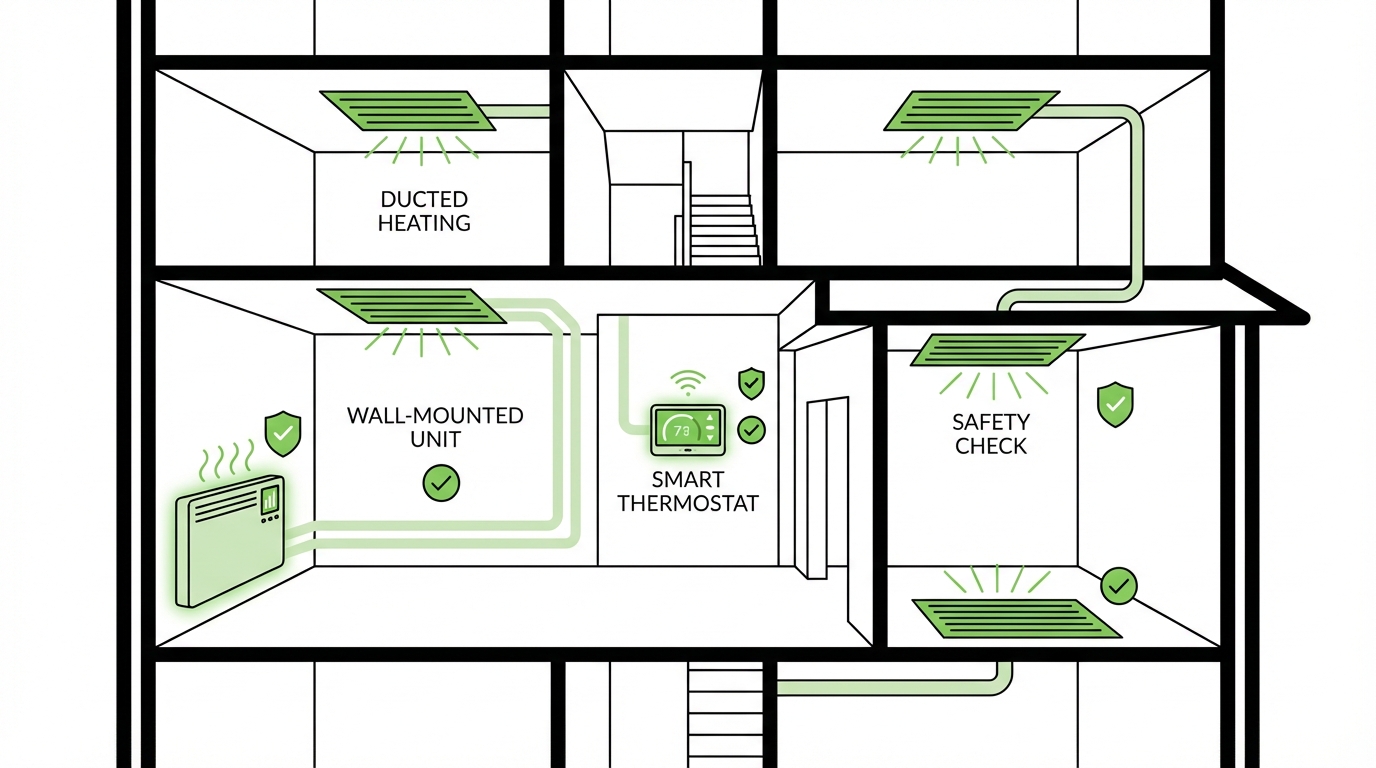
As autumn settles across Sydney and temperatures begin their gradual descent, now is the critical time for homeowners to prepare their heating systems for the cooler months ahead. With winter just around the corner and recent regulatory changes including the City of Sydney’s gas ban for new homes from January 2026, understanding heating system safety and efficiency has never been more important.
Whether you rely on gas heating, electric heaters, ducted systems, or traditional fireplaces, this comprehensive guide will walk you through essential safety checks, maintenance protocols, efficiency optimization strategies, and compliance requirements specific to Sydney homes in 2026. From carbon monoxide testing to thermostat settings, we’ll cover everything you need to know to keep your family warm, safe, and energy bills under control.
At OnTime Tradie, we’ve serviced thousands of heating systems across Sydney, Central Coast, and Newcastle. Our licensed technicians understand the unique challenges Sydney homeowners face during the heating season, and we’re here to ensure your systems are winter-ready with our 24/7 emergency service and lifetime warranty.
Why Autumn is the Critical Window for Heating System Preparation
Autumn represents the golden opportunity for heating system maintenance—before the winter rush when tradies are fully booked and before the first cold snap catches you unprepared. According to industry data, emergency heating callouts increase by 340% during the first two weeks of winter, with average wait times stretching to 3-5 days during peak periods.
Booking your heating system service in March, April, or early May means you’ll benefit from greater availability, more flexible scheduling, competitive pricing, and most importantly—peace of mind knowing your system is fully operational before temperatures plummet.
Understanding Sydney’s 2026 Gas Ban and What It Means for Your Heating
From January 1, 2026, the City of Sydney implemented mandatory restrictions preventing new residential developments from installing indoor gas appliances, including gas heating systems. This landmark policy, aimed at reducing carbon emissions and improving indoor air quality, marks a significant shift in how Sydney homes will be heated in the future.
What This Means for Existing Homeowners
If you currently have gas heating installed, you’re NOT required to remove or replace it. The ban applies only to new builds and major renovations. However, this policy signals important long-term considerations:
- Gas heating systems will require continued maintenance and compliance checks
- Replacement parts may become more expensive as gas heating becomes less common
- Property value considerations when selling may favor homes with electric heating
- Insurance and safety certification requirements remain unchanged
- Now is an excellent time to explore hybrid heating solutions or future-proofing strategies
Many Sydney homeowners are now conducting cost-benefit analyses comparing gas heating maintenance costs versus transitioning to modern heat pump or reverse-cycle systems, which offer both heating and cooling with superior energy efficiency.
Complete Gas Heating System Safety Checklist for Autumn 2026
Gas heating requires the most rigorous safety protocols of any heating type due to carbon monoxide risks, combustion byproducts, and gas leak potential. Professional annual servicing is non-negotiable for gas systems.
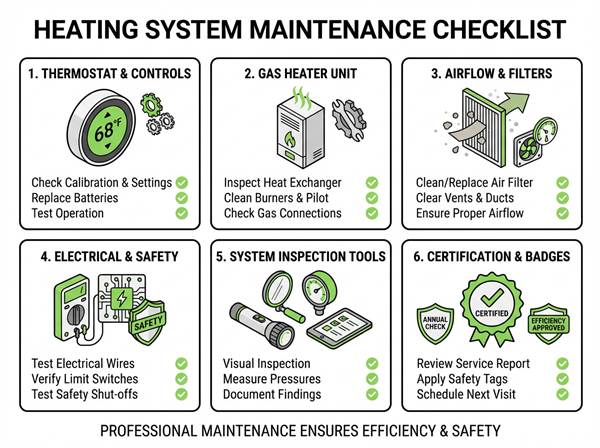
Essential Gas Heater Safety Inspections (Annual Requirement)
- Carbon Monoxide Testing: Professional CO testing using calibrated equipment (legally required)
- Gas Pressure Check: Verify correct gas pressure at burner and throughout system
- Flame Analysis: Inspect flame color, pattern, and stability (should be steady blue)
- Ventilation Assessment: Ensure adequate combustion air supply and exhaust ventilation
- Heat Exchanger Inspection: Check for cracks, corrosion, or deterioration
- Burner Cleaning: Remove carbon buildup, dust, and debris affecting combustion efficiency
- Thermocouple Testing: Verify safety shutoff mechanism functions correctly
- Gas Leak Detection: Comprehensive leak testing at all connections
- Flue Inspection: Check flue integrity, blockages, and proper draft
- Safety Control Testing: Test all safety switches, sensors, and emergency shutoffs
DIY Safety Checks Between Professional Services
- Visual inspection for rust, discoloration, or physical damage
- Listen for unusual noises (whistling, banging, or humming)
- Check pilot light remains lit consistently
- Verify thermostat responds correctly to temperature adjustments
- Ensure vents and grilles are unobstructed
- Test carbon monoxide detectors monthly (replace batteries annually)
⚠️ WARNING: If you smell gas, hear hissing sounds, or your carbon monoxide detector alarms, immediately turn off the gas supply at the meter, evacuate your home, and call emergency services (000) followed by your gas company’s emergency line. Never attempt repairs yourself—gas work requires licensed professionals.
Electric Heating System Safety Guide: Portable and Fixed Units
Electric heaters are responsible for approximately 40% of home heating fires in Australia according to Fire and Rescue NSW data. However, most incidents are entirely preventable with proper usage and maintenance.
Portable Electric Heater Safety Rules
- 3-Foot Safety Zone: Maintain minimum 1-metre clearance from curtains, furniture, bedding, and flammables
- Stable Surface Only: Place on flat, level, hard surfaces—never on carpet, furniture, or unstable platforms
- Direct Wall Connection: Plug directly into wall outlets—NEVER use extension cords or power boards
- Supervision Required: Never leave operating heaters unattended or running while sleeping
- Cool Before Storage: Allow complete cooling before storing to prevent fire risk
- Safety Certification: Only use heaters with current Australian safety certification marks
- Children and Pets: Maintain constant supervision when children or pets are present
Fixed Electric Heating Maintenance
Panel heaters, wall-mounted units, and underfloor heating require professional electrical inspection every 2-3 years as part of comprehensive home electrical safety checks. Autumn servicing should include:
- Electrical connection testing for loose wiring or overheating
- Thermostat calibration and functionality testing
- Heating element inspection for damage or wear
- Safety switch (RCD) verification
- Power consumption testing to identify efficiency issues
- Cleaning dust and debris from heating elements and vents
Ducted Heating System Optimization: Efficiency and Performance
Ducted heating systems offer whole-home comfort but require comprehensive maintenance to operate efficiently. Neglected ducted systems can lose 20-30% efficiency through dirty filters, leaking ducts, and unbalanced airflow.
Professional Ducted Heating Service Components
- Complete Duct Inspection: Video inspection to identify leaks, damage, or insulation problems
- Filter Replacement: High-quality filter installation (should be changed every 3 months)
- Blower Motor Service: Lubrication, cleaning, and electrical connection checks
- Zoning System Testing: Verify zone dampers operate correctly and sensors are accurate
- Thermostat Calibration: Ensure temperature readings are accurate and responsive
- Return Air Grille Cleaning: Remove accumulated dust that restricts airflow
- System Balancing: Adjust airflow distribution for even heating throughout home
Maximizing Ducted Heating Efficiency
Proper operation makes a dramatic difference in both comfort and running costs. Follow these efficiency strategies:
- Set thermostat between 18-20°C (every degree higher adds 10% to energy costs)
- Use zoning features to heat only occupied rooms
- Close doors to unused rooms to concentrate heat where needed
- Run system on low-medium fan speed for consistent efficiency
- Schedule heating to start 30 minutes before you need warmth (gradual warming is most efficient)
- Keep return air grilles unobstructed by furniture or curtains
- Consider upgrading to a smart thermostat with scheduling and learning capabilities
Fireplace and Wood Heater Safety: Critical Autumn Preparation
Fireplaces and wood heaters create ambiance and effective heating but pose the highest fire risk of any heating method. Professional chimney sweeping and inspection are essential before each heating season.
Pre-Season Fireplace Safety Checklist
- Professional Chimney Sweep: Remove creosote buildup (fire hazard) and blockages
- Flue Inspection: Check for cracks, deterioration, or structural damage
- Chimney Cap Verification: Ensure cap is secure and mesh is intact (prevents animal entry)
- Damper Functionality: Test damper opens/closes completely and seals properly
- Firebox Inspection: Check for cracks in firebrick and deteriorated mortar
- Glass Door Seals: Inspect gaskets for airtight seal (if glass doors present)
- Spark Arrestor Check: Verify mesh is secure and undamaged
- Hearth Safety Zone: Ensure 1-metre clearance for ember protection
Safe Fireplace Operation Guidelines
- Only burn properly seasoned hardwood (moisture content below 20%)
- Never burn treated wood, painted wood, or rubbish (toxic fumes)
- Use proper fireplace tools and heat-resistant gloves
- Keep a fire extinguisher and fire blanket within easy reach
- Never leave fires unattended or burning overnight
- Ensure embers are completely extinguished before leaving home
- Install and maintain smoke detectors on every level of your home
Using Reverse Cycle Air Conditioning for Winter Heating
Reverse cycle air conditioning systems are Australia’s most energy-efficient heating option, delivering 3-4 times more heating energy than the electricity they consume. For Sydney’s relatively mild winters, they represent an ideal heating solution.
Pre-Winter Reverse Cycle Maintenance
- Professional refrigerant level check and top-up if required
- Indoor and outdoor coil cleaning (critical for efficiency)
- Filter cleaning or replacement (monthly during heavy use)
- Condensate drain inspection and cleaning
- Electrical connection tightening and testing
- Fan motor lubrication and inspection
- Reversing valve functionality test
- Refrigerant leak testing
Optimal Heating Settings for Efficiency
To maximize efficiency and comfort with reverse cycle heating:
- Set temperature to 20°C for optimal balance of comfort and efficiency
- Use AUTO fan mode to allow system to optimize airflow
- Enable timer functions to warm home before you wake or arrive
- Keep filters clean (dirty filters reduce efficiency by up to 15%)
- Ensure outdoor unit has clearance (remove leaves, debris, vegetation)
- Close doors and windows to prevent heat loss
- Use ceiling fans on low speed in reverse (clockwise) to circulate warm air down
Carbon Monoxide Safety: The Silent Killer in Heating Systems
Carbon monoxide (CO) is an odorless, colorless, tasteless gas produced by incomplete combustion in gas heaters, fireplaces, and any fuel-burning appliance. CO poisoning causes dozens of deaths annually in Australia and hundreds of hospitalizations.
Carbon Monoxide Detector Requirements
While not yet mandated by NSW legislation, carbon monoxide detectors are essential safety equipment for any home with fuel-burning heating appliances. Install detectors according to these guidelines:
- Install on every level of your home, especially near sleeping areas
- Place 1.5 metres from the floor (CO is slightly lighter than air and rises)
- Install at least 3 metres from fuel-burning appliances to prevent false alarms
- Test monthly using the test button
- Replace batteries annually or install hardwired models
- Replace entire units every 5-7 years per manufacturer specifications
- Choose models with digital displays showing real-time CO levels
Carbon Monoxide Poisoning Symptoms
Recognize these warning signs of CO exposure:
- Headache (most common early symptom)
- Dizziness and lightheadedness
- Nausea and vomiting
- Fatigue and weakness
- Shortness of breath
- Confusion and disorientation
- Loss of consciousness (severe exposure)
🚨 EMERGENCY ACTION: If you suspect carbon monoxide poisoning, immediately move to fresh air, call 000, and do not re-enter the home until emergency services declare it safe. Seek medical attention even for mild symptoms.
Heating Energy Efficiency Strategies to Reduce Winter Bills
Heating represents 40% of household energy consumption during Sydney’s winter months. Smart heating strategies can reduce these costs by 30-50% without sacrificing comfort.
Thermostat Management for Optimal Efficiency
- Maintain 18-20°C for living areas (WHO recommended healthy temperature)
- Set bedrooms to 16-18°C (sleeping in slightly cooler temps improves sleep quality)
- Reduce temperature by 3-5°C when leaving home for more than 2 hours
- Use programmable thermostats to automate temperature adjustments
- Avoid “boost” or “turbo” modes which waste energy
- Lower temperature by 1°C to save 10% on heating costs
Home Weatherization Improvements
Preventing heat loss is more cost-effective than generating more heat. Priority weatherization projects include:
- Ceiling Insulation: Ensure R3.5-R6.0 rating (insulation prevents 25-35% heat loss)
- Draught Sealing: Seal gaps around doors, windows, and penetrations (saves 15-20% heating costs)
- Door Seals: Install door sweeps and threshold seals
- Window Treatments: Use thermal curtains or cellular blinds (reduces heat loss by 25%)
- Wall Insulation: Consider retrofitting wall insulation if building without
- Floor Insulation: Insulate under floors especially for homes on stumps
When to Call a Licensed Heating Technician
While homeowners can perform basic maintenance like filter changes and visual inspections, professional service is essential for safety, efficiency, and warranty compliance. Call a licensed tradie immediately for:
- Annual safety inspections for gas heating systems (legally required)
- Carbon monoxide concerns or detector alarms
- Strange odors, especially gas or burning smells
- Unusual noises (banging, grinding, squealing, or rattling)
- Heating system fails to start or cycles on/off rapidly
- Uneven heating or cold spots throughout home
- Dramatically increased energy bills without usage changes
- Flame color changes (yellow, orange, or flickering flames in gas heaters)
- Visible damage, rust, corrosion, or deterioration
- Any electrical issues with heating equipment
What to Expect from Professional Heating Service
A comprehensive heating system service from OnTime Tradie includes:
- Complete system inspection and performance testing
- Safety compliance verification and certification
- Cleaning of all accessible components
- Filter replacement or cleaning
- Electrical connection testing and tightening
- Efficiency optimization and settings adjustment
- Detailed service report with recommendations
- Parts and labor warranty coverage
- 24/7 emergency callback service
- Transparent fixed pricing with no hidden costs
Emergency Heating System Failure: Immediate Action Steps
Heating system failures during cold weather require immediate response. Follow this emergency protocol:
Immediate Safety Actions
- 1. For gas systems: If you smell gas, turn off supply at meter and evacuate immediately
- 2. For electrical issues: Switch off circuit breaker to affected heating system
- 3. For carbon monoxide alarms: Evacuate home immediately and call 000
- 4. Check thermostat settings and batteries (many “failures” are simple setting issues)
- 5. Verify circuit breakers haven’t tripped
- 6. Check emergency shutoff switches haven’t been accidentally activated
- 7. Contact licensed emergency heating technician for after-hours service
Temporary Heating Solutions
- Use portable electric heaters in occupied rooms (follow all safety guidelines)
- Layer clothing and use blankets
- Close off unused rooms to concentrate warmth
- Use oven for cooking to generate residual heat (never use oven as primary heater)
- Block draughts with rolled towels under doors
- Consider temporary accommodation for vulnerable family members in extreme cold
Your Autumn Heating Preparation Timeline: Week-by-Week Guide
March (Early Autumn)
- Book professional heating system service appointments
- Order replacement filters for ducted systems
- Purchase and install carbon monoxide detectors if not already present
- Test all heating systems to verify operation
- Inspect thermostat functionality and replace batteries
April (Mid-Autumn)
- Complete professional heating system services
- Schedule chimney sweep and fireplace inspection
- Draught-proof windows and doors
- Check and upgrade ceiling insulation if needed
- Clean or replace air conditioning filters
- Test carbon monoxide and smoke detectors
May (Late Autumn/Pre-Winter)
- Final heating system checks before winter
- Stock fireplace with seasoned firewood if applicable
- Program smart thermostats with winter schedules
- Install or upgrade thermal curtains
- Confirm emergency heating technician contact details
- Review family emergency heating protocol
Conclusion: Stay Warm, Safe, and Efficient This Winter
Preparing your heating systems during autumn is an investment in safety, comfort, and cost savings throughout the winter season. Whether you rely on gas heating, electric heaters, ducted systems, or fireplaces, proactive maintenance prevents emergency failures, reduces fire risks, and optimizes energy efficiency.
With Sydney’s evolving regulatory landscape including the 2026 gas ban for new homes and increasing focus on energy efficiency, now is the perfect time to assess your heating strategy for both immediate winter needs and long-term home comfort solutions.
Don’t wait until the first cold snap to discover your heating system isn’t working correctly. Take action now while availability is good, pricing is competitive, and winter is still weeks away.
🔥 Get Your Heating System Winter-Ready Today
OnTime Tradie offers comprehensive heating system safety inspections and maintenance across Sydney, Central Coast, and Newcastle. Our licensed technicians service all heating types—gas, electric, ducted, and more—with transparent fixed pricing and lifetime warranty coverage.
- ✅ 24/7 Emergency Service Available
- ✅ Licensed & Fully Insured Technicians
- ✅ Transparent Fixed Pricing
- ✅ Lifetime Warranty on Workmanship
- ✅ Same-Day Service Across Sydney Suburbs
- ✅ Carbon Monoxide Testing Included
📞 Contact OnTime Tradie today to book your autumn heating system service. Call our team for immediate assistance. Don’t let winter catch you unprepared—protect your family with professional heating system safety checks.
