
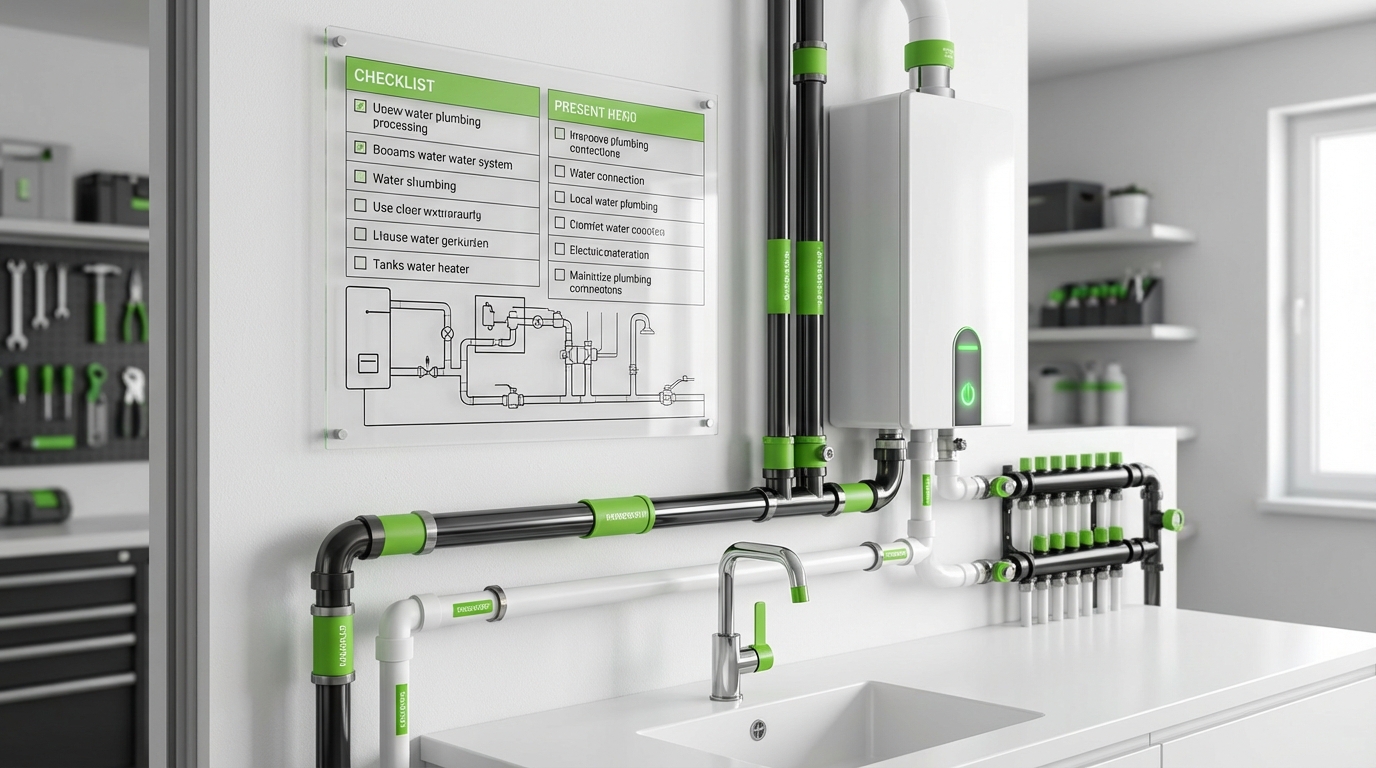
As a Sydney homeowner, maintaining your plumbing system is one of the most important yet often overlooked aspects of home care. A well-maintained plumbing system not only prevents costly emergency repairs but also ensures your home runs efficiently year-round. Whether you are in Sydney, the Central Coast, or Newcastle, having a comprehensive plumbing maintenance checklist can save you thousands of dollars and countless headaches.
According to industry research, preventive plumbing maintenance can reduce emergency repair costs by up to 40 percent and extend the lifespan of your plumbing infrastructure by 10-15 years. Yet many Australian homeowners wait until a pipe bursts or a drain backs up before calling a professional plumber. This reactive approach costs significantly more than regular, scheduled maintenance.
In this complete guide, we will walk you through everything you need to know about maintaining your home plumbing system. From monthly checks you can do yourself to annual inspections that require professional expertise, this plumbing maintenance checklist will help you protect your most valuable investment: your home.
Why Preventive Plumbing Maintenance Matters
Preventive maintenance is the practice of regularly inspecting, cleaning, and servicing your plumbing system before problems arise. Think of it like servicing your car: you would not wait for your engine to fail before changing the oil. The same principle applies to your home plumbing.
Key Benefits of Regular Plumbing Maintenance:
- Cost Savings: Catching small issues early prevents expensive emergency repairs and water damage restoration
- Extended Lifespan: Regular maintenance can double the life of pipes, fixtures, and appliances
- Water Efficiency: Fixing leaks and maintaining fixtures reduces water waste by up to 30 percent
- Property Value: Well-maintained plumbing systems increase home resale value and pass inspections
- Health and Safety: Prevents mould growth, water contamination, and gas leaks
- Peace of Mind: 24/7 confidence that your plumbing will not fail at the worst possible moment
For Sydney homeowners specifically, seasonal weather patterns from summer storms to winter temperature fluctuations place unique stress on plumbing systems. Regular maintenance ensures your home can handle these environmental challenges.
Monthly Plumbing Maintenance Tasks (DIY-Friendly)
These simple monthly checks take less than 30 minutes and can be performed by any homeowner. Schedule them on the first weekend of each month to build a consistent routine.
1. Check for Visible Leaks and Water Damage
Walk through your home and inspect all visible plumbing fixtures, pipes, and connections. Pay special attention to:
- Under sinks (kitchen and bathroom)
- Around toilets (check for water pooling at the base)
- Water heater connections and pressure relief valve
- Washing machine hoses and connections
- Dishwasher supply lines
- Exposed pipes in basements, garages, and crawl spaces
- Ceiling stains indicating overhead pipe leaks
Even small drips can waste 10,000+ litres annually and cause structural damage over time. If you discover any leaks, contact a licensed plumber immediately to prevent escalation.
2. Test Water Pressure
Proper water pressure should range between 45-60 PSI for residential properties. Both high and low pressure indicate potential problems. Low pressure may indicate pipe blockages, leaks, valve problems, or sediment buildup. High pressure suggests a faulty pressure regulator and can damage pipes and fixtures. You can purchase an inexpensive water pressure gauge from any hardware store. If pressure is consistently outside the normal range, call a professional plumber for diagnosis.
3. Clean Drains and Drain Stoppers
Hair, soap scum, food particles, and grease accumulate in drains over time, leading to slow drainage and eventual blockages. Monthly drain maintenance prevents costly emergency callouts. Remove and clean all visible drain stoppers and strainers. Use a drain snake or zip-it tool to remove hair and debris. Flush drains with hot water (not boiling, which can damage pipes). Use enzyme-based drain cleaners monthly and avoid harsh chemicals. Install mesh screens over shower and bath drains. Never pour grease, coffee grounds, or food scraps down kitchen drains.
Important: Avoid chemical drain cleaners, which can corrode pipes and harm the environment. If drains remain slow despite cleaning, professional hydro-jetting may be needed.
4. Inspect Toilet Function and Components
Toilets are the most frequently used plumbing fixture and often the first to develop problems. Monthly inspection prevents water waste and malfunctions. Check for water running continuously (indicates flapper valve failure). Inspect for leaks around the base (deteriorated wax seal). Test flush mechanism, which should complete in one flush without repeating. Check tank components for wear (flapper, fill valve, flush valve). Add food colouring to tank; if colour appears in bowl, you have a leak.
A running toilet can waste 200+ litres per day. Replacing a faulty flapper valve costs under 20 dollars and takes 10 minutes, a simple fix that saves hundreds annually on water bills.
Quarterly Plumbing Maintenance Tasks (Every 3 Months)
These deeper maintenance tasks should be performed every three months (seasonal schedule: January, April, July, October). They require slightly more time and may benefit from professional assistance.
1. Water Heater Inspection and Flushing
Your hot water system works hard year-round. Quarterly maintenance ensures efficiency and prevents premature failure. Check temperature setting (120F or 49C recommended for safety and efficiency). Inspect for rust, corrosion, or water pooling around unit. Test pressure relief valve by lifting lever briefly. Flush sediment from tank (drain 5-10 litres from drain valve). Listen for unusual noises (rumbling indicates sediment buildup). Check anode rod annually (prevents tank corrosion).
Sediment buildup reduces heating efficiency by up to 30 percent and shortens tank lifespan. If you are uncomfortable performing this maintenance, OnTime Tradie offers professional hot water system servicing across Sydney, Central Coast, and Newcastle.
2. Inspect Washing Machine Hoses and Connections
Washing machine hose failures cause thousands of dollars in water damage annually. Quarterly inspection prevents catastrophic leaks. Inspect hoses for cracks, bulges, or wear. Ensure hoses are not kinked or under excessive tension. Check connection fittings for tightness and corrosion. Replace rubber hoses with braided stainless steel (10-year lifespan). Turn off water supply valves when machine not in use. Clean inlet screens to prevent sediment blockage.
Replace washing machine hoses every 3-5 years, even if they appear functional. The cost of new hoses (20-40 dollars) is insignificant compared to flood damage repair costs.
3. Test Sump Pump (If Applicable)
If your property has a sump pump for stormwater or groundwater management, quarterly testing ensures it functions when needed. Pour water into sump pit until pump activates. Verify pump cycles on and off properly. Check discharge pipe for blockages. Clean inlet screen of debris. Test battery backup system (if equipped). Ensure float switch moves freely.
Annual Professional Plumbing Inspection (Critical)
While DIY maintenance catches obvious problems, an annual inspection by a licensed plumber identifies hidden issues before they become emergencies. Professional inspections typically include:
What Is Included in a Professional Inspection
- Comprehensive Pipe Inspection: Check all visible and accessible pipes for corrosion, leaks, and structural integrity
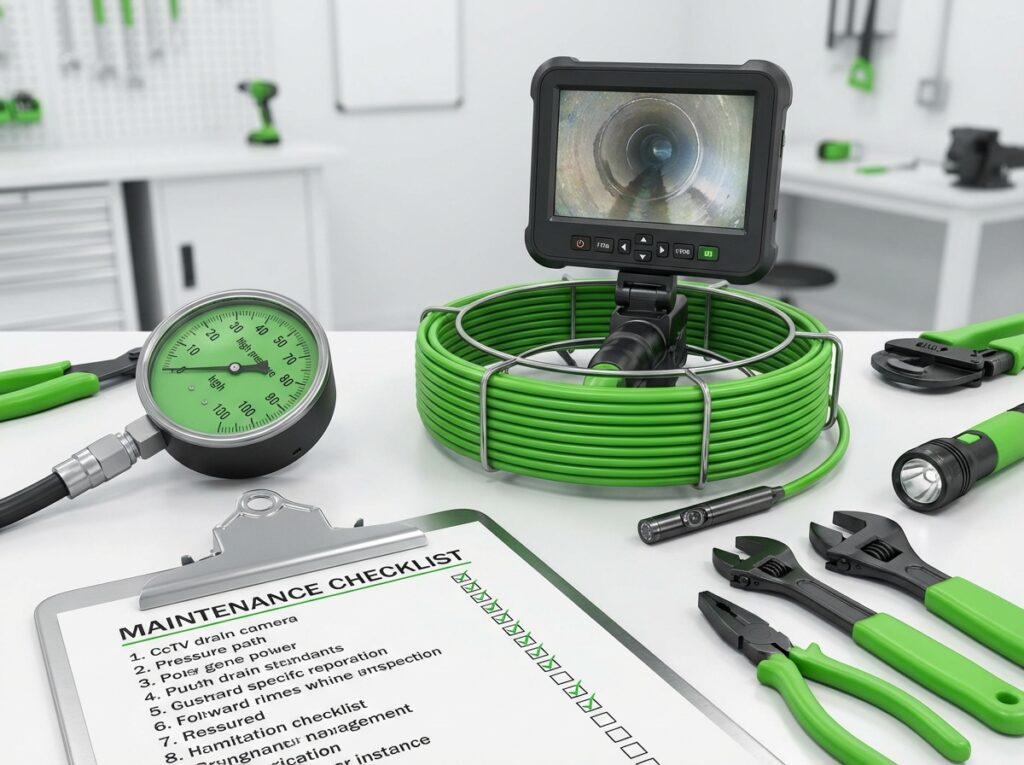
- CCTV Drain Camera Inspection: Internal examination of sewer lines and drain pipes to identify blockages, tree root intrusion, and damage
- Water Pressure Testing: Precise measurement and adjustment to optimal levels
- Hot Water System Assessment: Complete evaluation of heater function, efficiency, and remaining lifespan
- Fixture Examination: Test all taps, toilets, showers, and appliances for proper operation
- Valve Testing: Ensure shut-off valves function correctly for emergency situations
- Gas Line Safety Check: Detect leaks and verify proper operation of gas-powered appliances
- Backflow Prevention: Test devices that prevent contaminated water from entering drinking water supply
- Drainage Assessment: Evaluate stormwater and sewer drainage efficiency
At OnTime Tradie, our technicians use advanced diagnostic equipment including thermal imaging cameras, pressure testing devices, and high-resolution CCTV systems to provide comprehensive plumbing assessments. We provide detailed reports with photos and recommended actions prioritised by urgency.
Seasonal Plumbing Considerations for Sydney Homes
Sydney climate presents unique seasonal challenges for plumbing systems. Adjusting your maintenance routine to match seasonal conditions prevents weather-related failures.
Summer Maintenance (December-February)
High temperatures and increased water usage during summer create specific plumbing challenges. Monitor water pressure as increases in demand can stress systems. Check for pipe expansion and stress on joints. Inspect outdoor taps and irrigation systems for leaks. Ensure adequate ventilation in hot water system areas. Be mindful of tree root growth seeking water during dry periods. Service air conditioning condensate drains.
Winter Maintenance (June-August)
While Sydney does not experience harsh winters, temperature fluctuations and increased rainfall require attention. Insulate exposed pipes in unheated areas (garages, crawl spaces). Clear gutters and downpipes before winter rain. Check stormwater drain function and clear debris. Inspect for leaks as they are easier to detect before winter rain masks problems. Service hot water systems before peak demand season. Ensure proper drainage to prevent water pooling near foundations.
Warning Signs You Need Immediate Professional Attention
While regular maintenance prevents most problems, certain symptoms indicate immediate professional intervention is required:
- Sudden Water Pressure Drop: May indicate burst pipe, major leak, or supply line failure
- Water Discolouration: Brown or cloudy water suggests pipe corrosion or contamination
- Sewage Odours: Indicates vent stack problems, dry traps, or sewer line issues
- Multiple Simultaneous Clogs: Suggests main sewer line blockage, not individual drain problems
- Water Heater Leaks: Requires immediate shutdown and professional replacement
- Gurgling Drains: Air in pipes indicates venting issues or developing blockages
- Visible Pipe Corrosion: Green (copper) or brown (iron) buildup on pipes signals deterioration
- Mould or Mildew Growth: Hidden water leaks creating moisture behind walls
- Foundation Cracks with Water: Underground pipe leaks compromising structural integrity
- Gas Smell Near Water Heater: Potential gas leak – evacuate and call emergency services
OnTime Tradie provides 24/7 emergency plumbing services across Sydney, Central Coast, and Newcastle. Do not wait if you observe these warning signs. Early intervention prevents catastrophic damage and costly repairs.
DIY Maintenance vs Professional Service: Making the Right Choice
Understanding when to handle maintenance yourself and when to call a professional protects both your safety and your investment.
| DIY-Friendly Tasks | Requires Licensed Plumber |
| Visual leak inspections | CCTV drain camera inspections |
| Cleaning drain stoppers | Hydro-jetting blocked drains |
| Testing water pressure | Pipe repairs and replacements |
| Basic toilet repairs (flapper) | Water heater installation/major repairs |
In New South Wales, certain plumbing work legally requires licensed professionals. This protects homeowners from liability, ensures work meets Australian Standards (AS/NZS 3500), and maintains insurance validity. Never attempt gas line work, major pipe repairs, or sewer work yourself.
The Cost of Maintenance vs The Cost of Repairs
Many homeowners avoid maintenance due to perceived expense. However, the mathematics overwhelmingly favour preventive care:
| Service | Preventive Maintenance Cost | Emergency Repair Cost |
| Drain Cleaning | 150-300 dollars (annual) | 500-1,500 dollars (emergency) |
| Water Heater Service | 180-250 dollars | 1,200-3,500 dollars (replacement) |
| Pipe Inspection | 200-400 dollars | 2,000-10,000 dollars (burst pipe repair) |
| Toilet Repairs | 25-50 dollars (DIY parts) | 300-600 dollars (after-hours callout) |
| Annual Inspection | 250-400 dollars | Prevents 90 percent of emergency costs |
Industry data shows homeowners who invest in annual professional maintenance spend 40-60 percent less on plumbing over 10 years compared to those who only address emergencies. Preventive maintenance also preserves property value and avoids the stress and disruption of plumbing failures.
Frequently Asked Questions About Plumbing Maintenance
1. How often should I schedule professional plumbing maintenance?
Most Sydney homes benefit from annual professional inspections. Homes over 20 years old, properties with large families, or houses with previous plumbing issues should consider semi-annual inspections. Monthly DIY checks and quarterly deeper maintenance complement professional service.
2. Can I perform plumbing maintenance myself?
Basic visual inspections, drain cleaning, and minor adjustments are DIY-friendly. However, tasks requiring specialized equipment (CCTV cameras, hydro-jetters), work on gas lines, major repairs, or installations legally require licensed plumbers in NSW. DIY work beyond basic maintenance can void insurance coverage.
3. What are the most common plumbing problems in Sydney homes?
The top issues we encounter are blocked drains (tree roots, grease buildup), leaking taps and toilets, hot water system failures, burst pipes from pressure fluctuations, and stormwater drainage problems during heavy rain. Regular maintenance prevents 80 percent of these issues.
4. How much does a professional plumbing inspection cost?
Comprehensive annual inspections typically range from 250-400 dollars depending on property size and complexity. This investment prevents emergency repairs averaging 1,000-3,000 dollars and provides peace of mind. OnTime Tradie offers competitive pricing with detailed written reports.
5. What should I do if I discover a leak?
First, shut off water supply to the affected fixture or area. For major leaks, turn off the main water supply. Place containers to catch water and move valuable items away from the leak. Contact a licensed plumber immediately. Even small leaks cause significant damage over time.
6. When should I replace my hot water system?
Most hot water systems last 8-12 years with proper maintenance. Replace when you notice rust-coloured water, metallic taste, rumbling noises, leaks, or inconsistent temperatures. Upgrading to modern efficient systems saves energy costs and qualifies for NSW government rebates.
7. Are chemical drain cleaners safe to use?
No. Avoid chemical drain cleaners. They contain caustic substances that corrode pipes (especially older metal pipes), harm septic systems, and pose environmental risks. Enzyme-based cleaners or professional hydro-jetting safely clear blockages without damage.
8. How can I prevent blocked drains?
Use drain screens to catch hair and debris, never pour grease down drains, flush only appropriate materials (no wipes, even flushable ones), use enzyme cleaners monthly, and schedule professional drain cleaning annually. Prevention costs significantly less than emergency blockage clearing.
Conclusion: Protect Your Investment with Regular Maintenance
Your home plumbing system is a complex network that works silently behind the scenes until something goes wrong. By following this comprehensive plumbing maintenance checklist, you transform from reactive crisis management to proactive system care.
The benefits are clear: fewer emergency repairs, lower water bills, extended equipment lifespan, and complete peace of mind. Whether you are performing monthly DIY checks or scheduling your annual professional inspection, every maintenance action protects your home and your family.
Remember, plumbing problems never improve with time. They only get worse and more expensive. The small investment in regular maintenance delivers enormous returns in avoided repairs, preserved property value, and eliminated stress.
—————————————-
Ready to schedule your comprehensive plumbing maintenance inspection?
OnTime Tradie serves Sydney, Central Coast, and Newcastle with 24/7 availability.
Contact us today for upfront pricing and same-day service.
Do not wait for a plumbing emergency. Prevent it.
