
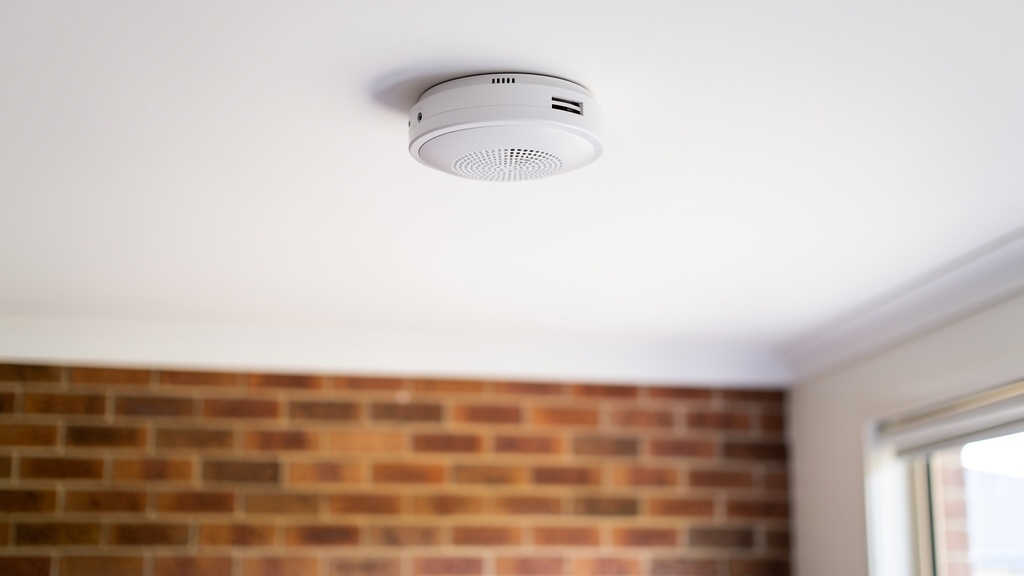
Smoke Alarm Installation Cost on the Central Coast: What You’ll Really Pay
The smoke alarm installation cost on the Central Coast typically ranges from $80 to $350 per alarm, depending on the type of alarm, whether it’s interconnected, and how hard it is to access the ceiling space. NSW law now requires interconnected photoelectric smoke alarms in all residential dwellings — and the deadline has passed for most property types. Here’s what you actually need to know.
Table of Contents
- What the NSW law requires
- How much does installation cost?
- Types of smoke alarms — which do you need?
- What affects the price?
- Landlord obligations in NSW
- DIY vs licensed electrician — what’s legal?
- Frequently Asked Questions
What Does NSW Law Require for Smoke Alarms?
NSW has progressively tightened smoke alarm requirements under the Environmental Planning and Assessment Regulation 2021. The law now mandates interconnected photoelectric smoke alarms in all residential buildings. Here’s the compliance timeline that applies to Central Coast properties:
| Property Type | Compliance Deadline | Status |
|---|---|---|
| New builds and substantial renovations | 1 May 2020 | Already required |
| Existing owner-occupied homes | 1 May 2026 | Required now |
| Existing rental properties | 1 May 2023 | Required now |
Under these rules, every bedroom, hallway connecting bedrooms, and each storey of a home must have a compliant smoke alarm. The alarms must be photoelectric (not ionisation), interconnected (hardwired or wirelessly), and capable of waking sleeping occupants.
How Much Does Smoke Alarm Installation Cost on the Central Coast?
Smoke alarm installation cost on the Central Coast varies based on the number of alarms, type, and your existing setup. Here are typical market rates in 2026:
| Job Type | Typical Cost Range (AUD) | Notes |
|---|---|---|
| Single 240V hardwired photoelectric alarm | $120 – $200 | Replacing an existing hardwired unit |
| Single 240V alarm (new circuit) | $180 – $280 | Running new wiring to a previously unalerted area |
| Full home installation (3-bed, 4 alarms) | $480 – $900 | Interconnected system, standard access |
| Wireless interconnected alarm (battery) | $80 – $150 per alarm | No electrician needed for battery-only units |
| Difficult ceiling access (attic, raked ceiling) | Add $50–$150 per alarm | Cramped or high roof spaces add labour time |
| Callout fee (business hours) | $60–$120 | Market range — confirm before booking |
These are typical market rates for the Central Coast region. Service fees vary between providers — always confirm the callout fee before booking.
What Type of Smoke Alarm Does NSW Law Require?
NSW now requires photoelectric smoke alarms — not ionisation alarms. Photoelectric alarms detect slow-burning, smouldering fires (the type most likely in bedrooms while people are asleep) more reliably than ionisation alarms. The NSW Government made this mandatory because ionisation alarms have a significantly higher rate of false alarms and slower detection of smouldering fires.
Your alarms must also be interconnected, meaning that when one alarm triggers, all alarms in the home sound simultaneously. This is critical in multi-storey homes and larger Central Coast properties where a fire at one end of the house might not be audible in bedrooms at the other end.
Hardwired vs Battery-Operated Interconnected Alarms
Hardwired 240V alarms are the gold standard — they don’t depend on batteries and have a 10-year sealed backup battery. They must be installed by a licensed electrician. Battery-operated wireless interconnected alarms are also compliant if they meet the AS 3786:2014 standard and can be interconnected. These can be installed without an electrician but must be positioned correctly in every required location.
What Factors Affect the Cost of Smoke Alarm Installation?
- Number of alarms required — larger Central Coast homes with multiple storeys and many bedrooms need more alarms
- Existing wiring — replacing existing hardwired alarms is faster and cheaper than running new circuits
- Ceiling access — older homes in Gosford, Woy Woy, and the Entrance often have difficult roof spaces
- Hardwired vs battery — hardwired units cost more to install but are more reliable long-term
- Number of storeys — two-storey homes need alarms on every level, increasing material and labour costs
What Are Landlord Obligations for Smoke Alarms in NSW?
Landlords in NSW have had mandatory obligations since 1 May 2023. Under the Residential Tenancies Act 2010 and the smoke alarm regulations, landlords must:
- Install photoelectric smoke alarms in every required location before new tenancies begin
- Ensure alarms are interconnected and compliant with AS 3786:2014
- Test and replace batteries at the start of each tenancy
- Repair or replace faulty alarms within 2 business days of being notified
- Not interfere with, remove, or disable alarms
Tenants have an obligation to notify landlords promptly of any faulty alarms. Landlords who fail to comply risk significant penalties and — far more importantly — put their tenants at risk.
For full regulatory details, refer to the NSW Department of Planning smoke alarm requirements page.
DIY vs Licensed Electrician — What’s Legal for Smoke Alarms in NSW?
This depends entirely on the type of alarm you’re installing:
- Battery-operated wireless alarms — homeowners can install these themselves if they meet AS 3786:2014 and are positioned correctly
- 240V hardwired alarms — must be installed by a licensed electrician; this is licensed electrical work under NSW law. No exceptions.
- Replacing an existing hardwired alarm with the same model — technically permitted by homeowners in some circumstances, but the interconnection and compliance check should be done by a licensed electrician
The safest and most legally defensible approach for rental properties and resale properties is to have a licensed electrician install and certify all smoke alarms. They can issue a Certificate of Compliance for Electrical Work (CCEW) that demonstrates you’ve met your obligations.
Book a Smoke Alarm Compliance Check
On Time Tradie’s licensed electricians service Gosford, Wyong, The Entrance, Woy Woy, and across the Central Coast. Get your property compliant before your next tenancy.
Get a Free QuoteFrequently Asked Questions
How much does it cost to install smoke alarms in NSW?
Smoke alarm installation in NSW typically costs $80–$350 per alarm, depending on whether you need hardwired or battery-operated units and how many locations require alarms. A full home installation for a 3-bedroom property generally runs $480–$900 including labour and materials. Get 2–3 quotes from licensed electricians for hardwired systems.
Are photoelectric smoke alarms mandatory in NSW?
Yes. NSW law requires photoelectric smoke alarms — not ionisation alarms — in all residential dwellings. The deadline for existing owner-occupied homes was 1 May 2026. Rental properties have been required to comply since 1 May 2023. All alarms must also be interconnected so that if one triggers, all alarms in the home sound.
Can I install smoke alarms myself on the Central Coast?
Battery-operated wireless smoke alarms can be installed by homeowners, provided they meet AS 3786:2014 and are placed in every required location. Hardwired 240V alarms must be installed by a licensed electrician — this is regulated electrical work under NSW law. For rental properties, it’s strongly recommended to have a licensed electrician install and certify all alarms.
How many smoke alarms does my Central Coast home need?
NSW law requires a smoke alarm in every bedroom, in the hallway connecting bedrooms to the rest of the home, and on every storey of the property. A typical 3-bedroom single-storey home needs 4–5 alarms; a 4-bedroom two-storey home typically needs 6–8. Your electrician will advise the correct layout for your specific floor plan.
What happens if my smoke alarms aren’t compliant in NSW?
For owner-occupiers, there is currently no direct penalty for non-compliance with the 2026 deadline, but non-compliant alarms may affect your home insurance claim in the event of a fire. For landlords, failure to comply with the Residential Tenancies Act can result in penalties and expose you to liability if a tenant is harmed. Update your alarms promptly.
How long do smoke alarms last in NSW?
Modern photoelectric smoke alarms have a recommended replacement life of 10 years from manufacture date (printed on the back of the unit). Sealed lithium battery units last the full 10 years without battery replacement. Standard 9V battery alarms need annual battery changes. Replace any alarm older than 10 years — the sensing chamber degrades over time and becomes less reliable.